As my students and I have been studying early African American and African figures in the history of South Hadley and Mount Holyoke, we were fascinated to learn from Ms. Deborah Richards (Head of Archives and Special Collections) that a historical researcher ( Adenike Ogunkoya ) had brought to the attention of the Archives her important discovery: a young woman, from West Africa, Miss Omoloto (“Moloto”) O. Oshodi, resided in 1899 or 1900 in Wilder Hall at Mount Holyoke College. According to the 1900 census, she was single, born August 1876, in West Africa, age 23, her occupation listed as “maid,’ having arrived in the United States around 1889. Mary Wilder Hall was constructed in 1899, following the disastrous fire at the College in 1896, so was newly occupied.
1900 census. listing Moloto O Oshodi, age 23, as a maid, in Wilder Hall, Mount Holyoke CollegeMary Wilder Hall, Mount Holyoke College. Americhrome postcard
Her Time in the United States
Immigration records indicate that Moloto Osodi (written as “Molot Osod? or perhaps Osodi”) arrived in New York on he Cunard Line ship Etruria from Liverpool, UK, on 17 December 1888. She is listed as a 12 year old “maid” traveling with the prominent Southern Baptist missionary Rev. William Joshua David, age 38, his new wife Jane, age 28, and their daughters Laurie? (i year, 8 months) and Justa ( five months). The children were been born in Africa, as was an 18 month old boy, Earle Lobant (?) traveling with this group.
1888. 17 December, Passenger manifest of the Cunard line ship Etruia, lists Miss Osodi in the party of Rev. William David.
Rev. William Joshua David was a missionary with the Southern Baptist Foreign Mission Board, from Meridian, Mississippi, who traveled to West Africa to revive the Yoruba Mission in Nigeria from 1875 to 1888, assisted initially by the important African American missionary Rev. William Colley. He arrived in Yoruba regions in June 1875 to reconstitute the Baptist church in the wake of the Yoruba civil war, baptizing evangelists in Lagos, Abeokuta, Oyo and Ogbomoso. Rev. David’s wife Nanie Bland David died on May 28, 1885, and is said with her dying breath to have urged her husband to continue his missionary work in Africa.
Rev. David, after a mission career in Lagos and elsewhere in Yorubaland, went on furlough back to the U.S. in 1888. This time period coincided with a schism with African-led segments of the Church, led by Moses Ladejo Stone(1850-1913). Rev. David did not subsequently return to Nigeria. Once returned to the United States, he established and led the Fifteenth Street Baptist Church in his hometown of Meridian, Mississippi, and died in 1919 in Houston, Texas.
Peter Weis, archivist at Northfield Mount Hermon (formerly Northfield Seminary), about 40 miles north of South Hadley, reports that Miss Oshodi attended Northfield Seminary from Fall 1895 to Spring 1899. He writes:
Northfield Seminary, c 1906
“Moloto Oshodi (#1929N, x1895-1899) was indeed a student in the Northfield Seminary. In this era the Seminary had four “academic” grades (Junior, Junior Middle, Senior Middle, Senior) and two “preparatory” grades for students not yet ready to undertake the academic course. Oshodi was in the first preparatory class for two years, the second preparatory class for one, and in the Junior class for one…. She did not complete the diploma course. It’s worth noting that as the school was attended almost exclusively by students from straitened socio-economic backgrounds, only about 10% of matriculating students completed the diploma course.”
Before attending Northfield Seminary, Miss Oshodi attended Lincoln School, “for two or three years” in Meridian, Mississippi, an institution founded by the American Missionary Society in 1888, the same year Miss Oshodi was brought to the United States. She appears to have continued work for Rev. David and his family as a domestic servant during this period.
In later years, Meridian, Mississippi would serve as an important cradle of the Civil Rights movement, anchored to a significant extent in the city’s Black Baptist churches. It would be interesting to know if during her six or so years in the city 1888-1895), Miss Oshodi ( came into contact with any of the African American figures who would play formative roles in the local Black culture of resistance and self-affirmation.
The recommendation and application form to Northfield indicate that Miss Oshodi’s late father was “a farmer and a trader.” He was initially Muslim, but converted to Christianity. According to a letter, before his death pleaded with Rev. David to secure a Christian education for his daughter. Evidently her name in Lagos, her place of birth, was only “Moloto,” (or perhaps Omoloto) but Rev. David decided that it was best to give her the surname “Oshodi,” her father’s name.
Speculatively, might Miss Oshodi’s family have been related to Chief Oshodi Landuji Tapa (1789-1866), a minister in the Oba’s court in Lagos?
Perhaps after leaving Northfield Seminary, Miss Oshodi came to work at Mount Holyoke, with the plan of earning enough money to fund her return passage to Nigeria. Perhaps she continued her education through private tutoring while working at the college.
Her Time Back in Yorubaland, Nigeria
A 1979 paper by historian Babautunde Agiri records that three years after she appeared in the 1900 census, in 1903, “Miss Moloto Osodi” arrived in Ogbomoso, an important Yoruba city, now in Oyo state in southwestern Nigeria.. She applied for a teaching position in the local Baptist Training School. She had, the account notes, been taken to America by the Rev. William J David, and been educated in the United States for ten years. As Michael Ogbeidi (2013) puts it, “Reverends W. J. David and C. E. Smith encouraged Miss Moloto Oshodi and Nathaniel David Oyerinde to acquire higher education in the United States during the late 19th and the early years of the 20th centuries.” (2013: 121)
From Ogbomoso, around 1903, Miss Osodi “was later transferred to the Baptist Girls’ School in Oyo,” the ancient Yoruba capital of the Oyo Empire. (Agiri’s source for these events are 1902 and 1903 diary entries by Rev. C.E Smith, who served in Ogbomoso from 1885-1906.)
Osodi or Oshodi is a familiar Nigerian surname, found, I believe, in both Yoruba and Igbo- speaking communities. (Nigeria’s most prominent documentary photographer, George Osodi, hails from Ogwashi-Uku, a predominantly Igbo-speaking community in Delta State.) It is possible that Miss Moloto Oshodi came from a high ranking family in Yorubaland and that Rev. David, when he returned to the United States in late 1888, brought 12 year old with him, both as a maid and in anticipation of her future role in evangelizing Yoruba-speaking communities.
Miss Osodi did not matriculate at the College and does not appear in any list as a Mount Holyoke College staff member, but Ms. Richards notes that the College did not permit students to employ private maids. Two other maids, Mary Cunningham and Mabel S Hayden, are listed in the census adjacent to her, also residing in Wilder Hall.
As of this writing we have not seen post 1903 accounts of Miss Osodi’s life in Nigeria. We hope that future research will cast more light on Miss Oshodi’s childhood, her education in the United States, and her subsequent career back in Nigeria.
References
BABATUNDE AGIRI . CHIEF N.D. OYERINDE AND THE POLITICAL SOCIAL AND ECONOMIC DEVELOPMENT OF OGBOMOSO 1916-1951. Journal of the Historical Society of Nigeria, Vol. 10, No. 1 (DECEMBER 1979), pp. 86-112.
Michael M. Ogbeidi Nigerian returnees from the United States and educational development in colonial Southern Nigeria. Revisita de Historia Actual (RHA) no 11. 2013. pp. 121-131
Lagos Baptists in the Development of the Nigerian Baptist Convention
In his 1905 book, History of Hadley, Sylvester Judd writes, “On March 6, 1778, David Mitchell of [South Hadley] gave to his negro man, Caesar Cambridge, his freedom, in consideration of 85 pounds paid in cash, and of an order for his wages in a cruise to the brig Defence, supposed to be 40 pounds. The 125 pounds may have been equal to 100 silver dollars, which the negro had earned, partly, if not wholly, in the service of his county. The emancipating paper was recorded.” (p. 402)
In this post, I note what is known of Caesar Cambridge’s life and that of his enslaver, David Buck Mitchell.
Caesar Cambridge’s Military Service
Although the Continental Congress had passed legislation forbidding the enlistment of slaves, and although George Washington voiced early resistance to any African Americans enlisting, in practice it was not unusual for slaveowners to enlist slaves in the Continental Army, or for free men of color to serve in the revolutionary cause, in the Navy or in the Army. In some cases, although by no means all, service on the American side was followed by or associated with emancipation.
Revolutionary War records indicates that Caesar Cambridge served first on sea, then on land, then on sea again.
The earliest military service record I have seen for Caesar Cambridge notes him joining the Navy of the State of Connecticut on January 1, 1776, and being discharged in 1777, earning wages of 13 pounds (History of Maritime Connecticut during the American Revolution, 1775-1783, p. 74). During this period he served on the brigantine Defence, which was a Connecticut vessel, earlier known as the Lily Ann, before being purchased by Connecticut in late 1775. The Defence evidently entered service in April 1776.
Captained first by Seth Harding of Norwich, and then Samuel Smedley of Fairfield, the Defence was less than one hundred feet long and carried sixteen carriage six pounder guns and a crew, according to one account, of 103 officers and men. It had a dramatic naval career, especially for a relatively small vessel (a brig is smaller than an official “ship”) . Over the course of three years, the Defence captured thirteen Brisish naval vessels including about 600 prisoners. Its most daring action appears to have been in June 1776, when it captured two British ships and a brig with 330 officers and men of a Highland Regiment. (History of maritime Connecticut during the American revolution, 1775-1783, p. 408). Jackson Kuhl explains that after the Defence had captured the British ships in Boston Harbor in June 1776, Captain Smedley, was frustrated that none of the spoils went to him, his crew or the State of Connecticut, and decided to concentrate his efforts on targeting British shipping in the West Indies, a more lucrative source of prizes than the theater of naval operations in New England. The brig ultimately brought in an estimated $500,000 in prizes, some seized in the West Indies.
Connecticut, unlike the Continental Congress, only awarded the crew of its ships one third of the prizes seized, which caused considerable protest by the Defence sailors in Boston after their second successful cruise. ( Jackson Kuhl Samuel Smedley and Prize Division, Journal of the American Revolution. August 22, 2013)
Evidently, around late 1777 or early 1778, Caesar Cambridge was discharged from the Defence, perhaps in Boston.
Captain Smedley, it should be noted, was a slaveowner, although it does not appear any of his slaves served on board the Defence with him. In his 1812 Will he notes he has emancipated, “my negro boy Boston,” and set him up as a shoemaker, bequeathing his one thousand dollars, and provides $30 a year for Boston’s father York.
Revolutionary War muster rolls next record that Caesar Cambridge of South Hadley enlisted in the Continental Army on 5 March 1778 for a term of three years or the length of the war, serving in Captain Benson’s Company in the 5th Massachusetts Regiment. (This enlistment date is one day before his emancipation by David Mitchell is recorded.)
5th Massachchuetts regiment. Month of Novemebr 1778. List of Privates. Bottom Line; Caesar Cambridge, 3 year term, on Duty.
On August 5, 1778 he is listed with the rank of Private, on duty in White Plains, New York. A muster roll of December 15, 1778 records him on duty as Camp Soldier’s Fortune, which was located near West Point, New York. On October 1, 1779 he is recorded at Camp Bedford (evidently, in Westchester County, New York, a town which was burned to the ground by troops under the command of the British officer Samuel Birch on 11 July 1779 ). Caesar is referenced as discharged in a 1780 muster roll, in the “Corps of Invalids. “ (The Corps of Invalids consisted of veterans or disabled or infirm men, who could still carry out limited duties, such as guard duty; many in the Corps seem to have been posted to West Point. New York). His final discharge note appears to be on October 10, 1780, indicating he had performed guard service at West Point, for 3 months and 3 days in Lt. William Birdie’s Company.
Muster Role for Caesar Cambridge, South Hadley,, June 30 1778
These records are consistent with the known duties of the 5th Massachusetts, which during this period of the Revolutionary War was assigned to the Highlands Department, north of New York City, responsible for protecting the Hudson River from British assault.
1789 Returns of the Corps of Invalids1780 Crop of Invalids roll. Caesar Cambridge on bottom lineJuly 19-Oct 10, 1780. Muster and Pay roll for Caesar Cambridge.
The next chapter is a little perplexing, given, as noted above, that Caesar was discharged from the Continental Army’s Corps of Invalids on 10 October 1780. A different records indicates that Caesar Cambridge served as a seaman on board the 20 or 28 gun Massachusetts Navy frigate Protector , commanded by Captain John Foster Williams. Caesar was engaged May 1, 1780 and discharged August 17, 1780, amounting to service of 3 months, 10 days. This means Caesar would have been involved in the Protector’s single ship action against the British privateer General Duff on June 9, 1780, off the coast of Newfoundland, in which the General Duff caught fire and exploded, leading to the rescue by the Protector of 55 British sailors.
Following the two discharges notes (of August 1780 from the Massachusetts State Navy and October 1780 from the Corps of Invalids) I do not see any subsequent reference to Caesar Cambridge. He does not, for example, appear in the 1790 Federal Census, or the subsequent Revolutionary War pension records (Not until 1818 did Congress provide for pensions for Revolutionary War veterans without disabilities.) I see no record of Caesar’s death or burial.
I should also note that as of this writing, we have not been able to locate the manumission document (6 March 1778) referred to by Judd (1905), in South Hadley Town records, the Registry of Deeds for Hampshire or Hampden County, Massachusetts Judicial records, or even in Judd’s voluminous handwritten transcriptions of historical documents, stored in the Hampshire Room of the Northampton Public Library.
The Slaveowner David Mitchell (1739-1800)and his in laws, the Wolcott Family of Wethersfield, CT
1790 census. David Mitchell. 3 white residents, 1 free person of color
David Buck Mitchell is recorded as born in Wethersfield, Hartford County, Connecticut, 28 December 1739, the child of James Mitchell (born, Glasgow, Scotland, 1705-1776) and Mabel (Buck) Mitchell. Wethersfield, Connecticut is about 40 miles due south along the Connecticut River from South Hadley. For a comprehensive review of slavery in Wethersfield, by Martha Smart, see: https://www.wethersfieldhistory.org/articles/slavery-and-wethersfield/
David Mitchell was the half brother of Stephen Mix Mitchell(1743-1835), who represented Connecticut in the Continental Congress and later served as a U. S. senator and the first Chief Justice of the Connecticut Supreme Court. Stephen Mix owned several slaves into the 1790s. In 1793, Smart notes, Stephen Mix Mitchell committed to free his slave Zimri in three years if he “behave as becomth an honest, faithful, obedient, diligent servant…and he be guilty of no stealing or bad conduct no more than is common for good servants.” Smart further observes, “in releases of 1797 and 1798, [Stephen Mix] Mitchell frees first Phillis and then Dorcas with no requirements attached. Mix notes that he bought Phillis from Rev. Napthali Dagget, late of New Haven. Dorcus he describes as a “negro girl slave.”
(The 1776 will of their father, James Michell, assigns David Mitchell land and furniture, but makes no reference of slaves.)
David Mitchell married Mary Wolcott in Wethersfield on 11 May 1761. Mary Wolcott was the daughter of Samuel Wolcott III (1713-1800), son of the wealthy “importing merchant” Samuel Wolcott Jr. (1679-1734), son of Samuel Wolcott Sr. (1656-1695) of Wethersfield, against whom, Martha Smart notes, were filed multiple charges for violent treatment of his black and Native American slaves. Among these abused persons was the enslaved man Jack, perhaps the first recorded escaped slave in Connecticut, fleeing in 1681. At his trial etting fire to a house in Northampton, evidently by accident, Jack testified that his owner Samuel Wolcott Sr, regularly beat him “sometimes with 100 blows so that he hath told his master that he would some time or other hang himself” (see Warren, Wendy. New England Bound: Slavery and Colonization in Early America, pp. 204–206). Jack was sentenced to death by hanging and then burned on a pyre. See description of account book of Samuel Wolcott, Sr.
In turn, the 29 Aug 1734 inventory of the estate of the son of Samuel Wolcott Sr, Samuel Wolcott, Jr. lists two slaves, one negro boy named Tony? valued at 90 pounds, and one negro woman name Lillie? , 6 pounds.
Probate inventory, 29 Aug 1734, of Samuel Wolcott, listing one negro boy named Tony?,90, and one negro woman name Lillie? , 6
Perhaps David Mitchell acquired Caesar Cambridge through his 1761 marriage to Mary Wolcott?
David Mitchell appears to have continued to reside in his hometown of Wethersfield until at least February 1776. On February 1, 1776, Mitchell buried an infant son in Wethersfield and on February 11, he buried his father there. In May 1776, he submitted a petition, “showing removal to South Hadley to keep tavern and asking liberty to transport rum, sugar & etc” (Martha Smart, Wethersfield Historical Society: personal communication).
In March 1777, Mitchell was elected to a South Hadley committee, although he does not appear to have undertaken military service. (Sophie Eastman references him gathering crops in support of the Revolutionary cause, while his slave Caesar Cambridge served in the Navy and Army).
As noted above, Caesar Cambridge served in the Connecticut State Navy until June 15, 1777. On March 5, 1778, in South Hadley Caesar enlisted in the Continental Army. So it seems possible that after June 1777, Caesar was brought from Connecticut (or from Boston) to South Hadley, MA, and labored as an enslaved man for Mitchell until he enlisted in the army on March 5, 1778. The next day Caesar was emancipated, on condition that all his wages were transferred to Mitchell.
I am not sure how many enslaved people David Mitchell owned, or where Caesar and others were held. Sophia E. Eastman’s In Old South Hadley asserts the road past David Mitchell’s home was “designated for years as Slave Street,” p, 168. In Old South Hadley references Mitchell as residing at the “Old Hyde Place. ” This presumably the old home of Ira or Ara Hyde, married to Harriet Hyde, who is listed in the 1850 Federal census and the 1855 Massachusetts State Census. This may have been at what is now the intersection of Morgan and East Streets, about 1500 feet south-southeast of the Mount Holyoke Equestrian Center. Perhaps the current Morgan Street, running along the south border of the Mount Holyoke College campus, was the so called “Slave Street” in the late 1700s.
The former slaveowner David Mitchell appears in the 1790 census in South Hadley, Massachusetts, with one free person of color in his household (no sex or age is provided,) Perhaps this individual was Caesar Cambridge, or Caesar may have been residing elsewhere, or perhaps Caesar was no longer alive at this point. (From 1790 to 1840, only the head of household is listed by name in the US Federal Census; other household members are at times listed only by age and gender.)
David Mitchell died 9 June 1800 and is buried in Evergreen Cemetery, South Hadley, Massachusetts.
David Mitchell’s two daughters were:
Mary Mitchell Bingham, 1762-1790 (buried in the Dartmouth College Cemetery) married Jabez Bingham.
Their children include:
Harriet Moseley Mabel Bingham David Mitchell Bingham Fanny Chandler
Mabel Mitchell White (1764-1840) married Deacon Josiah White. Their children include
Josiah White Mary White Sumner White Harriet Bardwell Samantha Eastman.
Possible Relatives of Caesar Cambridge
Several people of color with the surname Cambridge do appear in late 18th and early 19th century records in Massachusetts and Connecticut, and may be kin to Caesar:
–The 1800 census in South Hadley lists a Phillip Mitchell, in a household of three free people of color; he resides six households away from a “Negro Freedman,” whose household consists of six persons of color. Perhaps Phillip Mitchell was, like Caesar Cambridge, owned by David Mitchell.
It is intriguing that a decade later the 1810 census in South Hadley lists a Philip Cambridge, who also heads a household of three free people of color. Might it be that the Phillip Mitchell of the 1800 census changed his name from that of his former master “Mitchell” to “Cambridge”? Perhaps he was kin to Caesar Cambridge?
–The 1790 census lists a Stephen Cambridge, whose household contains two free persons of color in Sandisfield, Hampshire County, MA, about 40 miles southwest of South Hadley.
––Peter Cambridge, died Longmeadow, Massachusetts (16 miles south of South Hadley) March 3, 1803. (Source: Black Families in Hampden County, Massachusetts) The 1800 census for Longmeadow does not list anyone with the surname Cambridge, but does record two households containing non-white persons: two reside with Nathaniel Ely, and one resides with John Cooms. One of these may have been Peter.
Marriage record. Shem Cambridge-Annis Moranday, New Marlborough, Berkshire County
On 4 May 1789, Shem Cambridge married Annis Moranday, in New Marlborough, Berkshire County, MA, about 20 miles east of Granville. They were married by Rev. Jacob Cullen, Minister of the Gospel.
1810 Census. South Hadley, MA. Phillip Cambridge. 3 free persons of color in household.
Perhaps related is a “Eunice Cambridge”, born around 1802 and buried in the South Burying Ground, Boston on 23 February 1832, evidently having been a resident of the Boston Poorhouse.
There seems to have been a cluster of free black Cambridges residing in New Haven, Litchfield, and Middletown, Connecticut, in the late 18th and early 19th century.
Nando Cambridge marries Ruth Roberts in New Haven, Connecticut on 1 Apr 1773. He would seem to be the same Nando Cambridge who died in Connecticut in 1790.
A second Nando Cambridge, presumably the son of the first Nando Cambridge, appears in the 1820 census in Milford, New Haven County, Connecticut, in a family of four free persons of color. He marries Clarissa Cambridge.and they have a daughter Martha Cambridge, born New Welford, CT. In 10 May 1854 in Lee, Massachusetts, Martha Cambridge, marries the farmer Levi Bird. Martha Cambridge Bird died on 8 July 1856 in Lee, MA. A daughter of Levi Bird and Martha (Cambridge) Bird was Elizabeth Bird, born in Lee, Massachusetts in 1804, died in Lee, MA, on 19 Jan 1856.
A Clarissa Cambridge , born 1796, is listed in the 1850 census residing in Sharon, Litchfield County, Connecticut, about 70 miles southwest of South Hadley, MA. She is perhaps the widow of the second Nando Cambridge. Living with her are her apparent children, in laws and/or grandchildren: Julia, 25; Eliza, 23, Mary, 21; Robert, 19; George, 6; Charlotte, 3; Henrietta, 1, and Hannah, 3 months. The 1860 census records Clarissa Cambridge as a servant, residing in the household of the mulatto David Hecter, in Sharon, Connecticut. The 1870 census records Clarissa still residing in Sharon, once again with Eliza and Robert.
Ruth Cambridge, perhaps the widow of the elder Nando Cambridge, is enumerated in the 1790 census in New Haven, in a household of two free persons of color. She appears to be the same Ruth Cambridge who married Stephen Foster on 27 February 1794 in New Haven, and may be the “Ruth Foster” in the New Haven 1800 census, residing alone as a woman of color.
Perhaps related is Ichabod Cambridge, who died in Middletown, Connecticut on 9 September 1853, age 72 so born around 1781. He is presumably the father of Ichabod L Cambridge, Jr. (b 1824 • Connecticut; d 28 APR 1901 • Connecticut) who spent his life in Hartford, CT. Ichabod Jr married Samantha Way in Hartford on 5 April 1854; his children include Walter I , Lilla M , Bertha Annis, Carrie SamanthaEbenezer, and Eva L Collaso; this line has numerous descendants.
In turn, John Cambridge, born around 1815, died 1 DEC 1858 in Connecticut. married to Eunice Brooks. The 1830 census, in Meriden, New Haven, CT, records him in a household consisting of four persons of color. He is buried in Middletown, CT. His widow, Eunice Cambridge is recorded in the 1860 census as residing in Middletown, with her daughter Jeanette, married to James Brooks, seaman. James appears in the 1870 census, in Middletown, residing alone.
The 1860 census in Wethersfield, where Caesar Cambridge was likely enslaved, lists a Henry Cambridge, born around 1834, as an inmate in the State Prison. He was evidently convicted in 1857 of burglary and his occupation is listed as a boot and shoe maker.
Other Enslaved people and Slaveowners in South Hadley
From the 1754 Massachusetts slave census the records of 2,720 slaver have been preserved, although the actual number of enslaved people appears to have been considerably higher. The 1754 census records that 13 enslaved males and 5 enslaved females were held in Hadley, MA. No enslaved people were recorded in South Hadley that year. By the time of Stamp Act, it appears that about 7,000 persons were enslaved in Massachusetts. Key legal cases from 1781-83 effectively ended enslavement in Massachusetts.
The Revolutionary War rolls records that a John Way enlisted on 17 February 1776 in the Foot company of Captain Israel Chapman (1758-1793), in the Regiment commanded by Colonel Elisha Porter (1742-1796). Colonel Porter, from the Porter family of Hadley, MA, served during the war in the Fourth Hampshire Regiment, and participated in the important Saratoga Campaign. He was the Sheriff of Hampshire County during and after the Revolutionary War.
A subsequent reference states that John Way deserted the regiment June 10, 1776. Age 30 years. Five feet, nine inches.
Perhaps related to John Way, Ralph Way enlisted on February 15, 1776 as Private. Professor Marla Miller (UMass Amherst) explains, “Ralph Way was indentured to Samuel Porter (not enslaved) but when Porter died in 1722 his children waived the three years left on Way’s contract.” She further notes, ” Ralph Way was married to Lois Way. They had at least one son, Ralph Jr, whose first marriage was in 1765 (Phillis Smith). He served in the military in 1777, 1778, and 1779.” Perhaps John Wray was also a son of Ralph Sr and Lois Way. The 1790 census for Hadley, Massachusetts records a Ralph Way, heading a household consisting of nine non-white persons
The 1790 census for South Hadley records eleven all-white households headed by persons with the surname White, who might perhaps be related to the slaveowner of Toby White. It may be relevant that Mabel Mitchell (1764-1840), daughter of David Mitchell (the owner of Caesar Cambridge) in 1787 married Deacon Josiah White of South Hadley.
Robert Drinkwater’s In Memory of Susan Freedom: Searching for Gravestones of African Americans in Western Massachusetts (p. 63) records a headstone for William MaGee, said to born enslaved and buried in South Hadley. Died March 2, 1851, aged 101 (which would suggest born around 1760). Headstone said to have been moved “from present site of Gaylord library to the rear of Evergreen Cemetery. ” (fn 119, p, 133). The 1860 census list William MacGee as 99 years old, a servant in the household of white farmer Ayro Burnett in South Hadley. The 1850 census shows him residing in the household of Alpheus Ingram, in South Hadley; his age is difficult to discern, but may be 81, which would imply a birth year of around 1769. He is not evident in earlier censuses, which only listed heads of household. I am not sure if he was enslaved in South Hadley or elsewhere.
In addition to David Mitchell, other slaveowners in South Hadley included Deacon David Nash (1719-1803), “who had slaves enough to till his fields when he was absent”; Deacon William Eastman, and Squire Benjamine Eastman. ( Sophia Eastman, Old South Hadley, p. 158), Sophia Eastman (p,168) reports a story about two brothers, evidently Eastmans; one of whom was so violent against his enslaved man, that the other brother sheltered the slave, until the first brother swore upon the Bible to desist from violent assaults on him.
David Nash married Jemima Boltwood (1720–1754), daughter of Samuel Boltwood and Hannah Alexander, on 28 September 1742. He married his second wife Elizabeth Smith (1729-1765) on 9 May 1754. The 1790 census indicates that David Nash no longer owned slaves, but, like David Mitchell, had one free person of color residing in his household.
Free Persons of Color in South Hadley: 1790-1810
The 1790 census lists the following ten free persons of color residing in South Hadley, compared to a population of 749 white people.
Cuffe Freeman, a free man of color, with three persons of color in his household. He seems to be the same Cuff Freeman listed as serving in the Revolutionary War, 2nd Massachusetts, according to a record dated 14 October 1783. I am not sure if he is the same Cuff Freeman as appears in many Revolutionary War muster rolls in Connecticut from 1777-1780. (The name Cuff or Cuffe, derived from the Akan name “Kofi,” is rather frequent among enslaved men during the period.)
2; Joel Peto or Pito or Pits (?), a free man of color, with two persons of color in his household. He may be the same Joel Pito or Joel Pits who married Hannah Show in Conway, Franklin County , Massachusetts or Deerfield (about 25 miles north of South Hadley) on 27 Nov 1788. “Joel” may be same person as the escaped slave Joseph Pito, “Mulatto Fellow, six feet high, 20th year of his age, runaway”, advertised for by the enslaver William Allis, on page 4 of the Hampshire Herald on 19 June 1785, having escaped from Hatfield MA, about 10 miles north of South Hadley.
Escape notice for Joseph Pito, escaped from Hatfield slaveowner William Allis, June 19, 1785. Hampshire Herald, p 4.
3. Casar Hayes, a free man of color, with three persons of color in his household. Perhaps a former slave of Rev. Joel Hayes of South Hadley, 1753-1827, or ofhis father Joel Hayes, Sr, 1728-1800, of Granby, Hartford, Connecticut (who had served as a Lieutenant in the American Revolution).
4. One person of color (name unknown) in the household of David Mitchell (the former slaveowner of Caesar Cambridge)
5; One person of color (name unknown) in the household of David Nash, a former slaveowner.
The 1800 Census records nine free persons of color in South Hadley:
Negro Freedman, a free man of color, perhaps the same person as Cuffe Freedman in the 1790 census, with six free persons of color in his household
2. Phillip Mitchell, a free man of color, with three free persons of color in his household
The 1810 census lists only three persons of color in South Hadley, all residing in the household of Phillip Cambridge, a free man of color. (As noted, I speculate that Phillip Mitchell and Phillip Cambridge may have been the same person).
Memorializing through a Witness Stone?
Perhaps we might explore commemorating Caesar Cambridge’s life, in slavery and freedom, though a stone marker in the Witness Stone project, a Connecticut and New England initiative modeled on the Stolpersteine (Stumbling Stone) project in Berlin and elsewhere in Europe.
Resources
Sophia Eastman, In Old South Hadley (Chicago, 1912).
Sylvester Judd, History of Hadley, South Hadley, Amherst and Granby, Massachusetts (Picton Press, 1905, reissued 1993).
Acknowledgements: For historical guidance, we are grateful to Martha Smart (Wethersfield Historical Society, Connecticut); Sara Monalea McMahon (Hampshire Law Library), Leo Labonte (independent historian, South Hadley); Cliff McCarthy (Archivist, Springfield Museums), Zoe Cheek (Librarian, Springfield Museums), Marla Miller (Department of History, UMass Amherst), and staff at the Massachusetts Historical Society, the Massachusetts State Archive, and the Hampshire Room of the Northampton Public Library. Thanks as well to Jean Akin.
A striking indigenous Anishinaabe robe made of buffalo hide (Accession # MH SK K.116) in the Joseph Allen Skinner Museum at Mount Holyoke College has an intriguing caption:
Buffalo Hide Robe, Anashinaabe. Gift of Mrs. Henry H. Bennett. Skinner Museum, Mount Holyooke College
“Buffalo Robe. Presented by Mrs. Henry H. Bennett. Mrs. Bennett received the robe from an uncle, who in turn received it from an Indian in about 1877. The inscriptions seem to have been personal inscriptions, and the robe seems to have come from one of the Ojibway Tribes of Plains Indians, near the Canadian border.”
Possible RItual Symbolism
Detail of robeL three figures. Center, lower third
The robe has a number of pictographs painted on it. About a third of the way up the center are three yellow painted figures, perhaps human or human-animal hybrids. To the left, in left profile, is a birdlike figure with red stripes, perhaps feathers arising from its head and neck, which appears to be running to the left; to its right is a human figure (perhaps male) facing us directly, with arms upraised and legs akimbo (perhaps dancing) and also with red stripes, perhaps feathers, emanating from the head; and to its right is another figure, also with arms raised, perhaps running towards the left.
In a 1916 short essay, “Some Ojibway Robes,” (The Museum Journal, VII. 2) Bruce W. Merwin proposes that eight similar robes in the George Heye collection, now in the National Museum of the American Indian, were created for use by shamanic or prophetic figures among the “Ojibwe or Chippewa” peoples. Slits in the hide, sewed up, and painted on the hair side, may signal botanical specimens of healing significance to the ritual specialists. Various pictographs may evoke guide animals or tutelary divinities, perhaps encountered in transformative dreams. It is possible, given the enormous EuroAmerican interest in collecting decorated Native American buffalo hides, that this object was created for the market.
Likely Provenance
“Mrs. Henry H. Bennett,” who donated the object to the Skinner collection, must have been Emma (Marshall) Bennett, (1871-1939), who resided as a widow in Holyoke, Massachusetts during the period that the Skinner Museum was open and acquiring new objects from 1932 onwards. Her late husband Henry H. Bennett (1865-1932) had been a carpenter in South Hadley. Emma was a daughter of the English-born William Marshall (1832-1899) and the irish-born Margaret Nangle Marshall (1844-1880).
Who then was the “uncle” of Emma Marshall Bennett, who presented her with the buffalo hide robe that he had acquired in 1877? Her father William Marshall (born Sheffield, England, 1832) was survived by at two sisters in the United States, when he died in September 1889, so it is possible their one of their husbands was the “uncle”in question Also, it aEmma’s mother Margaret Nangle had four brothers, all but three of whom were dead by 1872, as well as three sisters, all of whom married.
Candidates for the “uncle” who acquired the robe would thus include:
1. Emma’s mother’s brother, Thomas Nangle (1834-1904). He was born in Ireland and arrived in New York on 24 March 1856. He subsequently appears to have worked as a laborer and gardener in the environs of Hartford, Connecticut.
2. Michael B Morrison (1853-1924) the husband of Catherine Nangle, Margaret Nangle’s sister. Michael Morrison in the 1870 census is recorded has been working in an ore bed in Dutchess County, NY.
3. John H Morrison (1854-1920), who married Delia Nangle, also a sister of Margaret Nangle. The 1870 census also records him working in an ore bed in Dutchess County. (The two Morrisons were brothers, sons of Edwin and Jane Morrison.)
4. .John Havilah Nichols, 1830-1876, who married Margaret’s sister Maria Louise Nangle He died in Owego, NY (a year before the reported acquisition of the robe from the Native American individual).
5. William Marshall’s sister Hannah Marshall of Northfield, CT may have first married a Joseph Senior
6. Hannah Marshall Senior evidently then later married Allen Terrell Blakesley, of Northfield CT.
7. Another sister of William Marshall, Sarah A Marshall of Bridgeport, Connecticut married a Mr. Ward
Incidentally, a son of Emma Marshall and Henry H Bennett was Herbert William Bennett, 1892-1968, who lived much of his life in South Hadley, working as a florist.
Additional clues, David Penney (NMAI) notes, may lie in the identities of persons who sold similar buffalo hide robes to the Hehe Foundation in the early 20th century., before the objects came into the collection of the NMAI. Six donors or sellers are named in the catalogue cards, as follows:
Catalog Number: 016867.000. “Purchased in 1904 from taxidermist in Brooklyn, NY”;
Catalog Number: 016868.000. “purchased in 1908 from T.W. Preston in Boston, MA (Fig. 112);
Catalog Number: 018717.000. “purchased in 1908 from T.W. Preston in Boston, MA (Fig. 114)
Catalog Number: 016870.000: “purchased in 1908 from L.A. Brown in New York City, who states her husband obtained same in 1870 “(Figs. 113 & 118);
Catalog Number: 029505.000. “From L. Milton Wilson, whose family has had it since about 1810″ (Fig. 116)
Catalog Number: 161734.000, Sold by Dan Mather; A.D. Mather Collection
Catalog Number: 181088.000. Presented by Gertrude Guilford.
Catalog Number: 210115.000. Seller; Charles M Heffner.
Catalog Number: 215165.000. Presented by Robert E. Dietz
Were these various robes, now in the collections of the NMAI and the Skinner Museum (Mount Holyoke College) perhaps produced and marketed by the same person or workshop for sale in the 19th century? It is intriguing that the husband of L.A. Brown obtain two of the robes (Catalog Number: 016870.000) in 1870, seven years before the year of acquisition listed in the Skinner Museum label.
Buffalo robe, bottom left .top of RobeBottom of robe,right
Resources/Related Objects
B.W.M> (Bruce W Merwin). “Some Ojibway Buffalo Robes.” The Museum Journal VII, no. 2 (June, 1916): 93-96. Accessed February 05, 2023. https://www.penn.museum/sites/journal/488/
Paul Resika. Sketch of George (Dick) Zukerman, 2018
George Benedict (“Dick” or “Dickie”) Zukerman, was born February 22, 1927, in London, England. He died February 1, 2023, in British Columbia, three weeks shy of his 96th birthday. He and his longtime partner, violinist Erika Bennedik made their home in White Rock, South Surrey, British Columbia. Erika was with George at the very end, as he slipped peacefully away into the great beyond.
George (affectionately known as “Dick” or “Dickie” to his many relatives on the Zeltzer side), and his older brother the musicologist Joseph Kerman (born Zukerman), were the children of Frieda Zeltzer and the great progressive journalist William Zukerman, growing up in Golders Green, London. His middle name Benedict honored the great philosopher Benedict Baruch Spinoza, greatly admired by his father (although as a child I was convinced that the Londoner “Dick” was really named for Dick Whittington, legendary Lord Mayor of London).
Six weeks after the outbreak of World War II, Frieda and the boys arrived from England in New York on 19 October 1939 on the SS Washington (painted with a large US flag, Dick recalled, to discourage attacks by German U-boats). Their father William, covering the war in England, arrived in New York on 13 July 1940. The family settled in together at 260 Convent Avenue, close by other Zeltzer-descended cousins.
Georgie and oder brother Joseph, with mother Frieda
In October 1939, Dr. Jacob (Bi) Auslander and Dick’s first cousin Paul Resika (son of Sonya Zeltzer, Frieda’s sister) were famously on hand to greet Frieda and the boys on the pier. It remains a matter still debated by historians as to whether Paul or Dicki was the one to introduce the other to the delights and vice of poker dice— but the young people were off and running, and the newly introduced cousins —Joseph Zukerman (later Kerman), Dick, Joe Auslander, Judy Auslander Saks, and Paul Resika were deep, life long friends across many decades, joined by Pearl “Cookie” Canick, Joanie Shapiro Uchitelle, Alice Shapiro Swersey, and Vicky Margulies, among many others. The cousins spent many memorable summers together in Shrub Oak Park, in northern Westchester County. Many young family members participated in a performance of Stephen Vincent Benet’s anti-fascist play, They Burned the Books, in which Dick played the role of the narrator.
Joe and Dick Zukerman
Dick was introduced to the bassoon at Music and Art High School and in time became a globally recognized master of the instrument, touring widely and serving as a worldwide ambassador of classical music and the arts. (I have known many South African and Malawians who recall his electrifying musical performances and presentations on musical history.) Through his musical travels to the Soviet Union and Israel, he served as a living bridge connecting far flung cousins, even in the depths of the Cold War.
George Zukerman, c 1945?
George with his mother’s sister Pauline Zeltzer Klein in Moscow, USSR
Dick received many recognitions, including being made an Officer of the Order of Canada, and an awardee of the Order of British Columbia. An impresario, he organized many significant concerts and musical events, and led extraordinary musical tours on board boat through European rivers, in which many family members participated. He was deeply devoted to the peoples of northern Canada, and brought many significant musical events into isolated northern communities.
His niece Lucy Kerman writes,
“Among Dick’s many accomplishments, one of my favorites was his invention of the subscription concert series. He went to small and mid-size towns throughout Canada helping to organize live classical music concert series: towns would pay ahead of time — subscribe — for a series of concerts, and Dick would organize and deliver them. He’d find musicians and put together programs with soloists, duets, quartets, and the towns would have their concerts. The magic of live performance was key for him, and he had what sounded like extraordinary and often hilarious adventures as he fulfilled the subscriptions (like, towns where the only piano was not in the school auditorium where the concert was scheduled, but down a dusty street and in the backroom of a bar, from which it had to be transported … somehow). But the innovation was that the residents would pay ahead of time and he would provide whatever scale series they could afford. No risk, no loss. It was a beautiful idea.”
One of his favorite activities, he often recalled, was helping swear in new Canadian citizens, many of them former refugees and asylum seekers. A proud Canadian, he was also a true citizen of the world.
There is a lovely video, created by Sherri Goldstein (a cousin on the Zukerman side) on how George and Erika met.
Brother Joseph Kerman (left) and George Zukerman
Dickie was a hilarious, gifted raconteur. For many of us, his rich, deep, cultured Anglo-Atlantic voice evoked, like that of his brother Joseph Kerman, a long-lost era of civility and cosmopolitanism. He was a living archives of extended Zeltzer-Weinstein and Zukerman family histories, and a spellbinding eyewitness to many significant events in 20th century musical and cultural history. He remained curious, intellectually active, and funny up until the end. We all hope that his memoirs are published in the near future.
George Zukerman and Erika Bennedil
George is survived by Erika Bennedik, his partner of 40 years, his niece Lucy Kerman and nephew Peter Kerman, grand- and great grand- nieces and nephews, and a worldwide circle of cousins on the Zeltzer and Zukerman sides, all of whom cherish his memory.
He will be honored by a memorial concert in Spring 2023.
Dickie’s first cousin, Vicky Margulies writes, “[my mother] Runya simply adored her Zukerman nephews and admittedly had a sweet spot for Dick who was only about 4 years old when she met him in London (c. 1931). She regaled me with stories of how he constantly teased her correcting her accent, which was obviously Americanized and not spoken in what her little British nephew thought to be proper English. I worked in the classical music business over many years, and fortunately I’d come across Canadian colleagues from time to time, who knew, admired and always spoke lovingly of bassoonist and impresario George Zukerman. I’m sad and sorry that cousin Dickie is no longer with us and may Erika find some comfort in their many friendships and the music world’s warm embrace. “
2011 Zeltzer Cousin Reunion (Shadowbrook Farm)
In 2011, the Zeltzer cousins (Dick’s relatives on the side of his mother Frieda) gathered at Shadowbrook Farm (the home of Alice and Burt Swersey), in Steventown NY for a reunion. Bill Swersey photo-documented the gathering;
Cousins at Shadowbrook Farm, Steventown. From left; Paul Resika, George Zukerman, Alice Swersey, Petter Kerman, Vicky Margulies, David Margulies, L0is Smith Zeltzer cousins at Shadowbrook Far. Standing from left: Pearl Cookie Canick Solomon, Judy Auslander Saks, Paul reiiak, Joan Shapiro Uchiteel,Geoge Dick Zukerman, Vicki Margulies, Alice Shapiro Swersey. Seated; David Margulies ZJoan Shapiro Uchitelle, Paul Resika, George (Dick) Zukerman at Shadowbrook FarmZeltzer family gathering at Shadowbook Farm: From right: Lou Uchitelle, George (Dick) Zukerman, Lois Smith, Peter Kerman, Burt Swersey, Alice Shapiro Swersey, Joan Shapiro Uchitelle, Erika BennedikGeorge (Dick) Zukerman
Dick and his first cousin Paul Resika were lifelong friends, from the time of their meeting in October 1939, on the New York pier where Dick, Joseph and his mother Frieda arrived:
Paul Resika, Blair Phillips Resika, George ZukermanFirst cousins Paul Resika and Dick Zukerman on one of Dicks’ musical tours in Germany, with Johann Sebastian. Zalman Usiskin explains this is ” in front of the Thomaskirche, the church of St. Thomas in Leipzig where Bach worked from 1723 until his death in 1750. ”
George Zukerman, niece Lucy Kerman, and grand niece Julia Tomlinson Czesnik
Niece Lucy Kerman with George
80th birthday tribute: George Zukerman, Lucy Kerman, Peter Kerman, Erika Bennedick, DannyGeorge (Dick) Zukerman
In our continuing efforts to trace the family histories of the victims of the October 1878 racial terror lynching in Mount Vernon, Posey County, Indiana, what can be determined about the antebellum background of the family of Jeff Hopkins (who was one of the four men hanged in front of the County Courthouse on October 11)? In a previous post, I try to trace the children of Jeff and his wife Pheba Hopkins, who all appear to have relocated to Chicago by 1880. (I have not been able to locate any records of Pheba herself, after the 1870 census entry.)
Let us begin with information listed in the 1870 census in Black Township. Posey County, Indiana, about the Hopkins family.
Jeff Hopkins, b. 1842, Kentucky (farmer)
Pheba Hopkins, b. 1841, Kentucky
Florida Hopkins, p. 1853, Kentucky
Fredric Hopkins, b, 1860, Kentucky
Gabrella Hopkins, 1864-1929, b. Kentucky
Abe Hopkins, b. 1867, Kentucky
Ulysses S Grant Hopkins, b. 1869 Indiana
Family of Jeff Hopkins, 1870 census, Black township, Posey County, Indiana
Evidently, Jeff and Pheba like their children Florida, Fredric and Gabrella were all born in slavery, while Abe and US Grant were born in freedom. Since Abe was born in Kentucky in 1867 and US Grant Hopkins was born in Indiana in 1869, it follows that the family relocated from Kentucky at some point between 1867 and 1869.
Where might Jeff and Pheba Hopkins and their children have been enslaved in Kentucky? It is possible though not a certainty, that Jeff and his family were owned by a slaveowner with the surname of Hopkins, so let us look at Hopkins slaveowners who might have owned Jeff, born around 1842.
In nearly all cases, the 1850 and 1860 slave schedules do not list the names of enslaved persons. However the search functions on Ancestry.com make it possible to limit results based on gender and age.
The 1850 slaves schedule lists about ten Kentucky slaveowners named Hopkins who owned at least one male slave between the ages of six and ten:
James Speed Hopkins (1799-1873) in District 2, Boyle County Kentucky, about 200 miles east of Mount Vernon, Indiana, owned a total of 34 slaves, including four eight-year old males and 2 ten-year old males. His father, John Hopkins, died in Boyle County in 1824. By 1860, James Speed Hopkins had settled in Heaths Creek, Pettis County, Missouri, with 35 slaves, including adolescent male slaves that are consistent with those listed in the 1850 slave schedule, so he can probably be eliminated as the source of Jeff and his family.
Samuel Hopkins, in District 2, Christian, Kentucky (about about 120 miles south of Mount Vernon, Indiana) ) owned a total of 20 slaves, including two ten-year old males, two eight year old males, and one six-year old male.
Thomas Hopkins, in District 2, Owen County, Kentucky (about 200 miles east of Mount Vernon, Indiana) owned three slaves, including one eight year old male.
John N. Hopkins, of District 2, Christian County, Kentucky (about 120 miles south of Mount Vernon, Indiana) , owned six slaves, including one seven year old male.
Lucy A Hopkins, of District 1, Graves County, Kentucky (about 150 miles southwest of Mount Vernon Indiana), owns eleven slaves, including two seven year old males.
Joslin J Hopkins (1795-1865), of District 1, Nicholas County, Kentucky (about 280 miles east of Mount Vernon, Indiana) owns eight people, including one nine year male and one seven year old male.
E Hopkins, of District 1, Shelby, Kentucky (about 200 miles east of Mount Vernon, Indiana) owns two slaves, including one nine year old male.
Joseph Haiden Hopkins, son of Samuel Hopkins, of District 2, Christian, Kentucky (about 120 miles south of Mount Vernon, Indiana) owns 15 slaves, including two 6 year old males (one of them mulatto) and one 8 year old male.
B Hopkins of Scott County, Kentucky (about 240 miles east of Mount Vernon, Indiana) owns one ten year old male
Vol Hopkins of District 3, Hardin County, Kentucky, owns one six year old male mulatto and one ten year old male mulatto (all are fugitive at the time of the census, so can presumably be excluded from consideration)
In turn, the 1860 slave schedule lists seven Kentucky slaveowners named Hopkins. who own about ten enslaved males between ages 16 and 20 years:
Mary B Hopkins, who owns 31 people (residing in three slave dwellings) in Division 1, Henderson County, about 15 miles southwest of Mount Vernon, Indiana. Her slaves in 1860 include:
18 year old male, who could be Jeff 18 year old female, who could be Pheba 5 year old female, who could be Florida
The identity of this slaveowner is not entirely clear. She seem to be Mary Ann Hamilton Hopkins, married to Edmund Henry Hopkins, who in the 1860 census lists her real estate value as $7,000 (and her personal estate as only $200.) Mary Ann Hamilton Hopkins’s mother Mary Hamilton died in 1861??, and in her will bequeaths one slave Charles to her daughter for the duration of her life, and expresses hope that afterwards he be made a freedman.
Mary Hamilton Hopkins died in 1861. He husband Edmund Henry Hopkins died in 1863.
Curiously, Mary’s appraised estate, on 21 December 1861, only lists one slave, an enslaved man, Harry. valued at $800. The other slaves in her possession were perhaps held on account of one or more heirs to an estate, and do not appear, so far as I can tell, in probate records.
2, An apparently different Mary B Hopkins in Henderson County KY appears to own three slaves in 1860. She may be the daughter of Mary Hamilton Hopkins. This Mary Hopkins, born 1844, in Division 1, Henderson County, seems to have died in 1862.
G S Hopkins, who owns 8 people in Division 1, Logan County, Kentucky, including
18 year old male, who could be Jeff 20 year old woman, who could be Pheba (but no female in the 7 year range)
William Boyd Hopkins (1819-1885), son of Joslin J Hopkins (mentioned above, re the 1850 slave schedule) owns 8 people in District 1, Nicholas County, Kentucky, including an 18 year old man, but no females in the age range of Phebe or Florida
William P Hopkins, who owns 2 people in Christian County, Kentucky, specifically a 16 year old male and a 17 year old male, but no females in the age range of Phebe or Florida
Joseph Haiden Hopkins, who owns 27 people in Christian County, Kentucky, about 100 miles due south of Mount Vernon, Indian. Potential matches include:
17 year old male who might be Jeff 18 year old female who might be Phebe 5 year old female who might be Florida 6 month old male who might be Fredric
As noted above, Joseph Haiden Hopkins’ father Samuel Hopkins, who died in 1859, had, in 1850, 20 slaves in Christian County, KY, including an 8 year old male, who could have been Jeff, and an eleven year old female, who could have been Phebe.
The inventory of Samuel Hopkins estate, Christian County Kentucky Probate Records, Will Records, Vol R, p, 152 ff, names about twelve slaves, listed minors as ‘children,’ None of these names correspond with Jeff, Pheba, or Florida, but since they might be kin to Jeff’s family, their names and ages are worth noting:
Christian County KY probate records, vol F p. 156. Inventory and appraisement of the negroes belonging to the estate of said decedent (Samuel Hopkins)
Silla, about 21 years and 3 children Killa, 17 years old Henry, 20 William, 16 Isaac, 28 Daniel, 24 Samuel, 19 Frank, 21 Smith, 43 Wesley, 20 James, 18 Phillis and child, 22
In his will (10 August 1859; Christian County Kentucky Probate Records, WIll Records, Vol R, p. 74.) Samuel Hopkins bequeaths to his grandson Samuel Herndon in Missouri, the slaves Phillis age 20 and infant 18 months old named Willis and a boy seventeen years old Wesley. Phillis and Wesley are married. Also three old negroes Judith (blind), and Isaac and Nancy, who should select which home they will go to. Rest of property to divided up between his children.
———
Mary Hopkins, who owns 5 people in Union County, Kentucky, who appear to be part of the same nuclear family:
20 year old male who might be Jeff 22 year old female who might be Phebe, although on the older sisde 3 month old male who might be Fredric But no female child in the age range for Florida
The widowed Mary Hopkins had been married to Thomas Hopkins, who died 15 July 1858 in Union County, In the 1850 slave schedule Thomas Hopkins in District 2, Union County, KY, owned three slaves:
Female, age 50 Female, 16 Male, 13
Union County Probate Records, Vol E, p 321, from 1858, indicate the following appraisment of Thomas Hopkins’ five slaves:
Negro Woman, Ambigail l(?) valued at $1000 Negro boy Issac 800 Small boy Will, 200 Small Girl Nancy 150 Old woman Hannah (unintelligle) value at 00
Concluding Observations: Of these seven slaveowners, the most likely candidate would seem to be the large slaveowner Mary B Hopkins in Henderson County, KY,, who in 1860 owns three people who more or less match up with Jeff, Pheba and Florida, and who resided relatively near Posey Couny, Indiana.
The next most likely would seem to be Joseph Haiden Hopkins, son of Samuel Hopkins, whose slaves may match up with Jeff, Phebe, Florida and Fredric. His plantation, as noted, was within 100 miles of Posey County, Indiana.
However, as of this writing, I have not come across any probate records of other documents listing the names of the enslaved persons Jeff or Pheba or their children Florida, Fredric, or Gabrella.
I would be grateful for any guidance or suggestions as we continue to seek the early history of Jeff and Pheba Hopkins.
As we continue to try to reconstruct the family histories of the seven men brutally lynched in October 1878 by white vigilantes in Mount Vernon, Posey Couny, Indiana, I have been curious about the family background of James (Jim) Good. As previously noted in my overall discussion of the descendant lines, James Good in Posey County, Indiana married Emily Hensley in January 1875. Two years after the lynching, the widowed Emily married Civil War veteran Frank Odem in 1880; the couple remained in Posey County for the rest of their lives.
I think it most likely that the murdered “Jim Good” appears in the 1870 census in Center, Jennings County, Indiana (about 175 miles northwest of Mount Vernon, Posey County, Indiana) as “James L. Good”, born 1857. He is the apparent son of Merrit Good Sr (b. 1815, Kentucky) and Georgiantha Good, (b. 1822, Kentucky). His siblings include:
Warren Good, 1845-1916. b, Kentucky Randle Bowen, b 1850, Kentucky Elizabeth (Betty) Bowen, b 1851, Kentucky
Georgiantha Bowen (b. 1853. Kentucky) Archibald Archy T Goude, (1859-1936, b Kentucky) William Goude, (who may be the same person as George W Goode) b. 1862, Kentucky Merrit Good, Jr. b. 1864, Kentucky Hulbert Good, b. 1865, Kentucky
Merrit Good family, 1870 census, Center, Jennings County, Indiana, p 1Merrit Good family, 1870 census, Center, Jennings County, Indiana, p 2
Since there were no free persons of color with any of the names in Merrit’s famiy in antebellum Kentucky, we may safely infer that this family was enslaved prior to Emancipation. Given that all the children, including Hulbert (b. 1865) were born in Kentucky, we may also infer that the Good family emigrated from Kentucky after Emancipation, at some point between 1865 and 1870, settling in Jennings County, Indiana, across the Ohio River. (The 1870 census records about 220 people of color residing in Jennings County, of whom 150 were born in Kentucky.)
Given that the younger Georgiantha Bowen shares the name of the elder Georgiantha Good, we may speculate that the three Bowens are the children of the older Georgiantha, and that they were fathered by someone other than Merrit Good Sr (who is listed as their father in the 1880 census). As noted below, there is some circumstantial evidence that Georgiantha and/or her children had at one point been enslaved by a slaveowner named Bowen. Perhaps Merrit Sr adopted Georgiantha’s children after the couple married.
Possible Goode Slaveowners
First, let us consider where Merrit Good Sr and his children were enslaved. An intriguing hint is found in the marriage record for James’s brother Archibald Good, born 1859, who on 12 July 1899 in Vernon, Jennings County, Indiana, married Ada Lucinda Lyle (who had previously married, it would appear, a man with the surname Easton). In this record, Archibald lists as his birthplace “Campbellsburg” in Henry County, Kentucky, about 50 miles southeast of North Vernon, Jennings County, Indiana, across the Ohio River.
The 1850 slave schedule lists only two slaveowners with the surname Good or Goode residing in Henry County, Kentucky: Samuel or Lemuel Goode (1793-1870) and his brother Richard Young Goode (b. 1795, North Carolina, d. 1873, Sheppardville, Bullit County, Kentucky), who both reside in District 1, Henry County. Lemuel owns 12 slaves and Richard owns 13 slaves. (Matters are a little confusing since Lemuel Good and Richard Young Goode eacg have sons named Richard, born respectively in 1822 and 1824). Richard Young Goode was a veteran of the War of 1812.
Three are several potential matches between the black family of Merrit and Georgiana Good and the slaves owned by the brothers Lemuel and Richard Young Goode, as indicated in the 1850 slave schedules (which records age, sex, and color, but no names). For example,
The 33 year old male slave of Lemuel Good, born 1817, could be Merrit Sr The 23 year old female of Lemuel could be Georgiantha The 4 year old male of Lemuel could be Warren
Alternately, the 31 year old male slave of Richard Young Goode could be Merrit Sr The 4 year old male slave of Richard Young Goode, could be Warren The 6 month old male, owned by Richard Young Goode, could be Randle Bowen
Richard Good slave schedule, p. 2, 1850, Henry County, KYRichard Good slave schedule, p. 2, 1850, Henry County, KY
Ten years later, the 1860 slave schedule indicates that Lemuel Good now resides in McCuistians District, Ballard County, Kentucky (about 275 miles southwest of Campbellsburg, KY) owning four persons:
Male, age 40 Female, age 16 Female, age 12 Female, age 30
Perhaps the 40 year old male, born around 1820, could be Merritt Good, Sr., and perhaps the 30 year old female, born about 1830, could be Georgiantha Good.
The 1860 slave schedule indicates that Lemuel’s brother RIchard Young Goode now resides in District 2, Bullit County, Kentucky, about 60 miles southwest of Campbellsburg, Kentucky, where he owns 16 slaves. Adjacent to Richard Young Goode, “E Good” (presumably Edward Good, the son of Richard Young Good) owns one slave (a 17 year old female) and Richard Good, presumably the son of Richard Young Goode, own one slave (a 30 year old male)
There may be several matches among the slaves owned by Richard Young Goode in 1860:
— a 37 year old male who might be Merrit Good, Sr. —a 10 year old male who might be Randle Bowen —a 9 year old female who might be Elizabeth Bowen —a one year old male, who might be Archibald Good.
Richard Young Goode, Slave schedule, p. 1, 1860, Bullit Co, KYRichard Young Goode, Slave schedule, p. 2, 1860, Bullit Co, KY
It is quite possible that the children had been separated at some point from one or both of their parents.
Possible Bowen Slavowners
Let us now consider the possible “Bowen” connection. It seems quite possible that the wife of Merrit Good Sr, Georgiantha, born around 1822, earlier held the surname Bowen, shared by three of her children (Randle, Elizabeth and Georgiantha), or was owned by a Kentucky slaveowner named Bowen, or that the father of these children was owned by a Bowen slaveowner and used the Bowen surname. The 1850 slave census lists eleven slaveowners named Bowen or Bowens in Kentucky; one of these, Burket Johnston Bowen (1812-1896) , resides in District 1, Henry County, the same DIstrict as both Goode brothers, and lives about 90 households away from Lemuel Goode. In 1850, Burket Johnston Bowen owns six slaves: male, age 24, female age 11, male age 26, male age 16, female age 20, male age 3. There is not a clear match with Georgianatha and her children, but perhaps there is some connection between these enslaved people and her family.
1850 slave schedule for Burket Juhnston Bowen, Henry County, KY
In 1860, Burdett Johnston Bowen is residing in Oregon, Holt County, Missouri, as a wealthy merchant. He does not appear to own any slaves, so perhaps he sold his enslaved property before leaving Kentucky. Speculatively, perhaps one or more of these slaves was acquired by the Goodes, leading to the integration of Good and Bowen families.
Enslaved Persons in Goode family Probate Records
Goode family probate records may provide some hints as to the background of Merrit Good, Sr. Lemuel Good and Richard Young Goode’s father Richard Good VI served as a major in the Revolutionary War, residing in Abingdon, Wythe County, Virginia. After his death from gangrene in 1801 en route to Kentucky, his widow Rebecca Young Goode and her children, including Lemuel Goode and Richard Young Goode, continued to travel with a number of slaves to Kentucky. See: https://griffintree.tripod.com/id15.html
Richard Good’s will was testated in June 1801 (Henry County Will Book I, p. 17; and in Virginia will records), He bequeaths several slaves to his wife and children:
To Charles Good, my beloved son, a negro boy David
To Susie (?) Good, my beloved daughter, a negro girl Jude
To my beloved daughter Dice (Dicey?). a negro girl Lina (?)
To my beloved daughter Margaret, a negro girl Esther
To my beloved wife Rebecca Good, a negro man by the name Gilbert, a negro man by the name Jesse, a negro woman by the name of Patt, one by the name of Joe (?).
To my beloved son Joel a negro Peter
To my beloved son Samuel a negro Ede (?)
To my beloved son Richard Goode a negro boy named Elas (?)
Rebecca Goode’s will in Henry County, Kentucky, (Henry County Will Records, 1800-1812, Vol. 1, p, 72) in turn references a negro woman Patt and a negro woman Jude who had been bequeathed to her by her late husband Richard Goode for her lifetime (widows normally did not receive full ownership of their husband’s property). She bequeaths Jude to her son in law William Bartlett, the husband of her daughter Dicey. She bequeaths the negro woman Patt and her other slaves and their “increase” (meaning the future children of the females) to her other children.
It is possible that some of the slaves of Lemuel Good and his brother Richard Young Goode,discussed above, were derived from or related to this set of enslaved people.
Please share any information or insights into the early history of the Good-Bowen family dating back to the period of enslavement.
c. 1820 birth of Gerschon Ausländer, Sadagora, Chernivisti, Austrio Hungarian Empire
c. 1825 birth of Hennie Salzman, Bukovina
c. 1840 ? Gerschon Auslander marries Hennie Salzman
c 1847. Birth of Moses Aron Ausländer, son of Gerschon and Hennie Ausländer. in Sadagora, Chernivtsi, Bukovina. Austrio Hungary
c. 1865? Moses Aron Ausländer marries Esther Resch.
c.1867 Birth of Sarah Ausländer daughter of Moses Aron Ausländer and Esther Resch.
23 Mar 1868 Birth of Isak Ausländer, son of Moses Aron Ausländer and Esther Resch. Radautz
c. 1870 Birth of Clara Tauber (future wife of Isak Ausländer) , Radautz?
30 Mar 1877 Birth of Alfred Ausländer son of Moses Aron Ausländer and Esther Resch. Radautz
16 May, 1879 Birth of Gustav Ausländer , son of Moses Aron Ausländer and Esther Resch. Radautz
1880, birth of Anna Ausländer, daughter of Moses Aron Ausländer and Esther Resch. Radautz
1 April 1889, Birth of Nathan Ausländer, son of Sarah Ausländer and probably Alter Mehler. (Since marriage was not officialized, Nathan retains his mother’s surname.)
4 June 1889 Nathan Ausländer’s father Alter Mehler departs Hamburg, travels alone to Canada, when his newborn son (born 1 April, 1889) was just about two months old. So Sarah Ausländer left behind to raise Nathan, presumably staying in the household of her father Moses Aron Ausländer. At some point, Sarah’s sister Anna (according to Bruno Auslander) helped raise Nathan.
4 Jan 1891, Attested to in Radautz: Moses Aron Ausländer legalized his previously common law marriage with his spouse Ester Resch: “I recognize my children produced with Ester Resch before the closure of our marriage: Sara, Isak, Chane, Uscher, Gerschon as married to Esther Resch. Radautz. 4 January 1891.”
4 March 1894. Birth of Tsuli Sarah Auslander, daughter of Isak Auslander and Clara Tauber Auslander. Radautz.
16 March 1895 Birth of Lala Henrietta Ausländer, daughter of Isak Ausländer and Clara Tauber Auslander. Radautz .
17 April 1896. Netti Koppelmann (future wife of Nathan Ausländer) born to merchant Berl Koppelmann and Mali Koppelmann, all from Radautz.
28 Sept 1896 Birth of Jacob Ausländerr, son of Isak Ausländerr and Clara Tauber Auslander. Radautz.
24 Oct 1898 • Birth of Cilli Ausländer. daughter of Isak Ausländer and Clara Tauber Ausländer. Radautz .
c. 1900 Sarah Ausländer marries Zabek Konner (later Sam Kerner)
c. 1900 Birth of Bertha Ausländer Konner Kerner, daughter of Sarah Ausländer and Zabek Konner?
c. 1900-02 Marriage of Alfred Ausländer to Rougea Eiferman. Czernowitz?
16 July 1901. . Gustav Ausländer, son of Moses Aron Ausländer, arrives in New York
24 Nov 1901 • Birth of Gisela Ausländer (1901–1902),daughter of Isak Ausländer and Clara Tauber Ausländer. Radautz .
23 September 103. Uscher (later Alfred) Auslander, and Rougea Eifferman arrive in New York City with Rougea’s parents, Samuel and Netti (Finkel) Eifermann, from Czernowitz. Rougea still listed on passenger manifest with surname Eifferman; perhaps they underwent another wedding ceremony in the US?
19 Feb 1902. Death of Gisela Ausländer. Radatuz
5 June 1902. Birth of Clara Ausländer Konner Kerner, daughter of Sarah Auslander and Zabek Konner
c. 1903 Birth Caroline Auslander (1903–) , daughter of Alfred and Rougea Auslander, NY
May 13, 1904 Birth of George Auslander (1904–), son of Alfred and Rougea Auslander . New York
5 Oct 1903 • Birth of Julia July Ausländer(1903–1934) daughter of Isak Ausländer and Clara Tauber Ausländer. Radautz .
29 May 1904. Gustav Auslander marries Minnie Beutel. Brooklyn. BY
c. 1905 Birth of Rose Auslander, daughter of Gustav and Minnie Auslander
15 Sep 1905 Birth Isidore Isidor Siegried Auslander(1905–) son of Isak Auslander and Clara Tauber Auslander. Radautz . ? 15 May 1908. Birth of Helen Auslander, daughter of Gustav and Minnie Auslander
1911 Sarah Ausländer (daughter of Moses Aron Auslander) arrives in New York, with Zabek Konnor (later Sam Kerner) and daughters Clara and Bertha. Sarah’s son Nathan Ausländer left behind with his grandfather Moses Aron Auslander,
30 Dec 1912 Birth of Jesse Auslander, son of Gustav and Minnie Auslander, New York.
16 Dec 1915 Death of Esther Resch Ausländer, wife of Moses Aron Ausländer, Radautz, Bukovina
c. 1918 Birth of Stanley Auslander, son of Alfred and Rougea Auslander
7 Jan 1920 Death of Sara Auslander (1867–1920), daughter of Moses Aron Auslander and Esther Resch. Manhattan, New York City, New York, USA,
c. 1920 Cilli Ausländer earns doctorate in Chemistry, University of Vienna
c. 1921 birth of Bruno Ausländer, son of Nathan and Nettie Ausländer Radautz.
24 December 1922. Birth of Josef/Yosef/Yuziu (later Joseph) Ausländer, son of Nathan and Nettie Ausländer, Radautz
26 Nov 1923 Dr. Jacob Ausländer arrives in New York City, on the SS Sierra Ventana sailing from Bremen, from Vienna. (Cilli’s story is that on the train trip from Vienna, the train was diverted due to the Munich Beer Hall attempted Nazi putsch of Nov 8-9.)
c. 1924 Birth of Otto Wildman (later Shalmon?), son of Lala Ausländer Wildman, and Nutzl Widman, Czernowitz. (Later marries Tamar, children are Ani Shalmon, and Dafni Chabusha )
c. 1924. Dr Jacob Auslander pursues Residency in psychiatry, in Wisconsin before settling in New York and opening a practice there.
c. 1920. Martha Klinghoffer born, daughter of Dr. Robert Klinghoffer and Sarah Auslander Klinghoffer
c. 1921 Birth of Stella Avni Wildman, daughter of Nutzl Wildman and Henrietta Lala Ausländer Wildman. Czernowitz. (later married Albert Braunstein?)
January 1925. Alfred and Rougea Auslander, with son Stanley return from Europe, having visited Cilli Ausländer in Vienna. (Cilli declares Stanley “looks like a Romanian Prince”)
5 Nov 1926. Dr. Jacob Auslander marries Rebekah Zeltzer, New York City. She works as his his nurse, X-ray technician and office manager over the next three decades. )
8 Dec 1926. Death of Moses Aron Ausländer, in Radautz, Bukovina
c. 1927 Birth of Arthur “Moishe-Aaron” Klinghoffer, son of Dr. Robert Klinghoffer and Sarah Ausländer Klinghoffer, Bukovina
c. 1929. Dr Jacob and Rebekah Auslander travel to Europe, including to Radautz to see Jacob’s parents, etc.
21 March 1929. Rose Auslander married Leo Holland on 21 March 1929). Children were: Marvin Holland (1931-2013) and Eugene William Holland (b.1932)
c. 1930 Birth of Joseph Auslander, son of Jacob and Rebekah Auslander. New York City
c. 30 Aug 1931. Helen Auslander marries Herbert Holland. Children: Carol Sue Holland and Shelly Holland.
30 August 1932. Dr. Jacob Auslander returns from Europe (Cherbourg France). (Did he see his parents?)
c 1933 Birth of Irene Judith Auslander, daughter of Jacob and Rebekah Auslander
October 1933. Death of Alfred Auslander, son of Moses Aron Ausländer in Queens, New York
19 Nov 1934 • Death of Julie Ausländer Pagis, daughter of Isak and Clara Ausländer. Vienna. Appendectomy operation, evidently unnecessary.
c. 1935? Joseph Pagis, husband of Julie Ausländer Pagis, departs from Bukovina for Palestine.
1934-41 Severin Pagis raised by his grandparents, Isak and Clara Ausländer in Radautz. (Subsequent correspondence reveals Joseph asked Isak to send Severin to him, but Isak refused, hoping Severin would join Dr. Jacob (Bi) Auslander in New York and study medicine.
Summer 1936. Dr. Jacob (“Bi”) Auslander travels to Radautz in futile attempt to convince his parents Isak and Clara to return with him to New York City. (Arthur Klinghoffer recalls being given a book by Felix Salten, perhaps Bambi, by Bi, to Storonijet.) Not sure if Bi was able to see Cilli during this visit.
1 September 1936. Dr. Jacob Auslander arrives back in NYC, without his parents.
c. 1936? Cilli Ausländer released from Romanian prison system; resides in Vienna, later Paris?
c. 1937? Cilli Ausländer travels to the Soviet Union? Remains there through most of WWII, attached to the Comintern. Becomes friends with her brother Bi’s sister in law, Pauline Zeltzer Klein in Moscow, who had arrived in Moscow in late 1933. Cilli gets to know the children Joseph and Eva (and perhaps also Sol Klein?)
c. 1937. Joseph Auslander attends the Birch Wathen School (private) in the West 90s.
24 Oct 1937. Jesse Auslander (son of Gustav Auslander) marries Pauline Kweller ,24 October 1937. Children were Susan Auslander (1941-2012) and Marjorie Auslander.
12 September 1938. Martha Edith Klinghoffer, age 18?, daughter of Dr. Robert Klinghoffer and Sarah Ausländer Klinghoffer, arrives from Storojinet, Bukovina, Romania to New York, on SS Normandie from Le Havre. Lives with her mother’s brother Dr. Jacob Auslander and Rebekah Auslander, first briefly at 520 W 110th St, then at 120 Riverside Drive, Manhattan, their new address, with her cousins Joe and Judy Auslander
September 1938. Dr. Jacob Auslander and Rebekah move from 520 W. 110th street to 120 Riverside Drive, allowing Joe and Judy to attend PS 9.
18 August 1941, Isak Ausländer arrested in Radautz on charges of “having foreign currency.” [SANIC (Serviciul Arhivelor NaţionaleI storice Centrale in Bucharest), fund Collection 50, file 313, page 549. See: http://www.bondashku.com/437392973%5D He and other Jewish leaders were then released for a period of time
5 April 1939, Birth of June Auslander, daughter of George Auslander and Evelyn Steiner Auslander. New York.
c. 1941 Siegfried “Tzip” “Salman” Ausländer, son of Isak and Clara Auslander . was in Palestine by this point, according to Arthur Klinghoffer, so did not experience the Holocaust deportations.
c. 1941-1944. Cilli Ausländer attached to Comintern, stationed hjust outside of Moscow, helps organize a system of underground hospitals outside of Moscow during the battle period.
Oct 1941. Isak Ausländer and other Jewish leaders in Radautz held as hostage temporarily by fascist authorities in local Gymnasium, to secure Jewish cooperation with the deportation process.
October 9-14, 1941. Deportation of Jews of Radautz. including Isak and Clara Ausländer, and grandson Severin Pagis, to Transnistria. Also deported are Nathan and Netti Ausländer, and son Joseph Ausländer (perhaps on same train transport, of cattle train cars). Initially across Dniester River to Moghilev? It is known that there were four transport trains from Radautz, of cattle cars, carrying a total of about 8,000 Jewish residents. Ultimately only three Jews allowed to remain in Radautz.
c. December 1941. Cilli Ausländer, stationed in a small industrial town outside of Moscow. recalls seeing the eastern horizon at night as wall of flame. She was reading War and Peace, and fears Moscow has fallen, but dawn reveals hundreds of Wermacht panzers destroyed in a great Red Army victory. She recalls living thorugh the coldest Russian winter of the century during the campagn
1941-44. Nathan, Netti and Joseph Ausländer in Moghilev, Transnistria. Joseph works in Jagendorf’s Foundry, which helps the family survive the Deportation period.
1941-45. Dr. Robert Klinghoffer, wife Sarah Ausländer Klinghoffer, and son Arthur Klinghoffer allowed to remain in Storonijet, Bukovina, since Robert was a physician, Not deported.
1941-45. Isak and Clara’s daughter Henrietta and her husband Nutzl Wildman and their children remained safely in Czernowitz during the war, and were not deported. Possibly due to leadership of Traian Popovici, a conscientious attorney who served as mayor of Czernowitz/Chernivtsi during World War II.
1941-1945. Bruno Ausländer, son of Nathan and Nettie Auslander, spends war period in Uzbekistan, USSR.
1940-1945. Stanley Auslander, son of Alfred and Rougea Auslander, serves in US Navy, stationed in Brazil and England where he flew convoy patrol missions and had several encounters with German U-boats. (His son Dean Auslander recalls).Hamilton
17 Dec 1942. Money transferred to Isak Ausländer in Vindiceni. USHMM records.
December 28, 1942, Death of Minnie Beutel Auslander, wife of Gustav Auslander. New York.
1942-early 1944. Isak and Clara Ausländer reside in the work camp in Vindiceni, Transnistria, during Holocaust. Isak works in sugar factory, evidently. Grandson Severin Pagis with them for most of this time, then transferred at some point, perhaps late 1943, to an orphanage in Moghilev? (Antonescu fascist regime in Romania slightly relaxed some Jewish policies, for children especially, as they anticipated the tide of war changing).
c. 1943. birth of Diane Peters Auslander (daughter of George and Evelyn Auslander) Mother of Jordan Peters and Grant Peters.
c. 1943. document in USHMM lists Isak Ausländer getting two payments associated with a sugar factory, in the Jewish ghetto of Vindiceni. (He had been a sugar merchant in Radautz, so perhaps helped restore the factory?)
31 March 1943. Isak Ausländer still in Vindiceni. Listed in a Holocaust Museum database document, listing a remittance to him.
January 1944. Isak Ausländer dies in Vindiceni, Transnistria. Typhus or Tuberculosis. (About two months before the town is liberated by the Red Army).
February 1944, Register from an Orphans’ Camp in Moghilev lists Severin Pagis as an inmate. (At some point after this Severin escapes and walks with two young male friends all the way to Czernowitz, where he stays with his mother’s sister Lala Henrietta Auslander Wildman.
c. December 1944. Cilli Ausländer transferred from Comintern to Red Army as interpreter for March on Berlin, from Moscow. She has a farewell meeting with her brother’s sister in law Pauline Zeltzer Klein in Pauline’s Moscow apartment. Cilli tries to give Pauline her Soviet war bonds “for the children,” in case she does not survive the NKVD or the coming military operations.
— 1944. Stanley Auslander marries Jean Hamilton, East Greenwhich, FI.
c. 1945, Nathan, Nettie and son Joseph Ausländer return to Radautz, Bukovina.
c. 1945. Severin Pagis reunited with his grandmother Clara Ausländer evidently at home of the Wildman’s in Czernowitz
c. 1945 Robert and Sarah Klinghoffer and son Arthur move from Storonijet to Radautz, to avoid living under direct Soviet rule. Stay with Clara Auslander in a room in her old house. in Czernowitz, while most of house is occupied by police.
c. 1946. Birth of Gail Auslander, daughter of Stanley and Jean Auslander. New York.
c 1946. Severin Pagis travels from Bukovina to Palestine. Belongings stolen en route. Sees his father Joseph Pagis, then goes to Kibbutz Dan. Changes name to Dan Pagis
c. 1945-1948. Clara Ausländer resides in several rooms of her previous house in Radautz, most of which was occupied by the local police force. Also living with her, in two room was her daughter Tsuli and son in law Bertel (Robert) Klinghoffer, and her grandson Arthur, since the family had moved 40 km from Storojinet to Radautz, in part to avoid life under direct Soviet rule.
c. 1946. Cilli Ausländer travels back to Radautz to see her mother Clara Ausländer; the two women share their belief that they survived air raids because of their refusal to go into basement shelters.
c. June 1947. Trial of Dr. Jacob Auslander, for Contempt of Congress, Washington DC (refusal to name names in front of the House UnAmerican Activities Committee)
8 July 1947, Martha Klinghoffer marries Ben Cohen. New York
c. 1950 Birth of Dean Auslander, son of Stanley and Jean Auslander.
c 1950. Dr. Jacob Auslander imprisoned, Danbury Federal Prison, for Contempt of Congress (refusal to name names in front of the House Un American Activities Committee) His cellmate was the playwright nd screenwriter Ring Lardner. (Later Bi’s medical license is suspended by the New York Medical Society, so he can only undertake research but not care for patients for some time.)
21 March 1951. Dr. Jacob Auslander, wife Rebekah and daughter Judy travel to Europe, including Vienna, and Israel, to see relatives.
14 Apr 1955. Death of Jesse Auslander, son of Gustav Auslander, NY
c. 1956. Irene Judith Auslander marries Alan Saks.
June 1958. Death of Dr. Jacob Auslander, New York City, age 61. Stomach cancer.
c. 1962 Josef/Yosef/Yuziu/ Ausländer and wife Dora Fichman Auslander emigrate from Bucharest, Romania to Paris, France. Secret payments made by Dora’s father in Israel to Romanian authorities for their emigration (Josef’s technical expertise made him high value for the Romanian Securitate). Yosef changes name to Joseph.
Nathan and Netti Auslander remain in Radautz, Bukovina, Romania.
c. 1964. Birth of Edgar Denis Auslander, son of Joseph and Dora Auslander, Paris.
c. 1965. Birth of Danielle Klinghoffer, daughter of Arthur and Lillie Klinghoffer. Israel.
2 March 1968. Death of Gustav Auslander. Miami, Florida.
c. 1975 Death of Nathan Ausländer. Radautz. Romania.
10 May 1982. Death of Evelyn Auslander, Miami FL.
c. 1986. Death of Dan Pagis. Israel.
11 Oct 1996. Death of George Auslander. Miami, FL
c. 1989. Death of Cilli Ausländer, Vienna.
11 Oct 1996. Death of Evelyn Steiner Auslander, wife of George Auslander
30 March 2007. Death of Stanley Auslander.
c. 2009 Death of Martha Klinghoffer Cohen.
26 Feb 2011. Death of June Auslander.
c. 2019 Death of Joseph [Josef] Auslander (son of Nathan and Nettie Ausländer ) in Paris.
c. 2022. Death of Lillie Klinghoffer, wife of Arthur Klinghoffer, Israel.
The poet and storyteller Andre Wilson and I have been contemplating how oral historical narratives passed through his father’s African American family about racial terror might be meaningfully compared with textual sources, nearly all of which were created by white authors. Wilson is the great great grandson of Jennie Harris (or Harrison) Lindsey, whose brothers Daniel Harris Jr. and John Harris, were both murdered by lynch mobs on or about October 10, 1878. (Some accounts give the family surname as Harrison or Harison.) Daniel Harris, Sr., who appears to have been Jennie’s stepfather, was, in turn, lynched by a white mob on October 11, 1878, at the Posey County Courthouse Square, in downtown Mount Vernon, Indiana, minutes before four other African American men were hanged by the white mob. The Harris brothers and the four hanged men were accused of having robbed and sexually assaulted three white sex workers; the evidence for these allegations, as has been widely noted, is highly dubious.
Over the years, Andre has collected multiple accounts of a racial terror killing in his family’s history, as told by his father the artist Fred Robert Wilson and his father’s mother Jennie Moore, They relayed stories that had been transmitted by Jennie Moore’s grandmother, Jennie Harris Lindsey, in some cases from eytwitness accounts by her own mother, Elizabeth.
African American oral historical accounts
The core story passed through the black family concerns their ancestor, “Daniel Harris” or “Daniel Harrison,” He is remembered as having come out of slavery with his wife and children, with tobacco seed obtained from his former owner, settling in Indiana. His seven daughters were harassed by a white man in the tobacco fields. Later, this white man sexually assaulted one of them. In response, Daniel confronted the white man, who dared Daniel to kill him. Daniel ultimately did kill the white man. One family account recalls him as “the first black man to kill a white man in the United States.” Following this, a white mob tied Daniel to a railroad car and set it on fire. This brutal murder took place, in one version of the story, in front of Daniel’s wife and daughters.
The various account continue that a group of “Masons” rescued Daniel from the burning rail car, either while he was still alive or after he had died. The Masons then interred Daniel’s body in a secret location, since the white murderers wanted to desecrate his body. In one account, Daniel’s wife was tortured by the white lynchers, but refused to divulge her late husband’s burial location, keeping the secret until the day she died. (In one version of the story, Daniel’s body was rescued and buried by sympathetic Native Americans). Daniel’s surviving family then fled to Illinois, where they continued farming.
So far as I can tell, these oral historical accounts conflate the three murders of the Harris men, a father and his two sons, on October 10 and 11, 1878. [I have earlier suggested that the Story of the Black Cat, passed down in Andre Wilson’s family, might itself be a poetic condensation of the murder of Daniel through fire.]
The precise circumstances of these October 1878 killings of the three Harris men remain somewhat murky. White-authored newspaper accounts assert that on October 10, the day before the spectacle lynching by hanging of four African American on the Posey County courthouse square, the brothers Daniel Harris Jr and John Harris were killed by white men in separate, less public incidents.
James Redwine, a white author who has researched the 1878 lynchings, gives several accounts of the killing of Daniel Harris, Jr. He claims that on October 10 that white killers forced Daniel Jr, whom they had been pursuing on trumped up charges of rape, into the firebox of a steam locomotive, where he was intentionally burned alive. Redwine reports that “Posey County native …Basil Stratton, told me that his grandfather, Walker Bennet, was an eyewitness . Walker told Basil that as a young boy he was present and saw several white men, including Walker’s father, force Harrison into the steam engine. Basil’s grandfather told Basil he never forgot the Black man’s screams and the smell of his burning flesh.” See this account. (Walker Bennett’s father was James Madison Bennett, c, 1826-28 December 1887, a blacksmith who had served in the Confederate Army in the 23rd Battalion, Tennessee Infantry (Newman’s), Company C. )
On the same day, Daniel Jr’s brother John was evidently murdered by white men, and his body stuffed into the hollow of a tree.
The night of October 10, according to Redwine, Daniel Harris Sr, the father of Daniel Jr and John Harris, met an attack on his home by a group of white men with armed resistance. In the exchange of fire, Cyrus Oscar Thomas, 1829-1878, was shot and killed, evidently by Daniel Harris Sr with a shotgun. Daniel Sr was wounded in the firefight and transported to jail. The next day, a white lynch mob attacked the jail and took him into the courthouse square, along with four other black men accused of the rape. The white killers hacked Daniel Sr to death and disposed of his bodily remains in the courthouse outhouse. Minutes later, the white lynch mob hanged the four other men from locusts tree in front of the courthouse.
Cyrus Oscar Thomas was, at the time, evidently running for the office of County Sheriff, and it seems possible that his targeting of black men in these attacks was part of a political strategy for building white support in the upcoming election.
Let us consider in terms the various key elements of the African American Harris/Harrison/Wilson family account, and see how they might match up with or differ from the white-authored texts.
White sexual violation of a Harris daughter
In his book,Judge Lynch, a quasi-novelistic (some might say prurient) reconstruction of the events around the 1878 mass lynching, James Redwine presents Daniel Jr as having a surreptitious sexual affair with a white woman, leading to her secret mixed race daughter being covertly raised by Daniel’s Jr’s sister Jane. This accounts strikes me as highly unlikely. More likely, the possibility of some sort of sexual encounter or encounters between one of the Harris daughters and a white man certainly does seem credible, and is entirely consistent with the racialized sexual politics of the era. It may be that one or both the Harris brothers, Daniel Jr and John, were defending their sister against a white man, and this is what lead to the accusations against them of raping three white prostitutes.
Perhaps Daniel Harris Sr’s shooting of Cyrus Oscar Thomas has been translated or condensed in family memory to the story of his killing his daughter’s rapist. It is certainly possible that the white man that Daniel, Sr shot had in fact assaulted one of the Harris daughters.
In any event, it does appear that the deaths of the two Daniels have been conflated into a single murder in the family accounts.
The Fire Train incident.
Redwine’s version, relying on the white grandson of a child eye witness, describes Daniel Jr as having been forced alive into a locomotive steam engine firebox. The African American family account, based on eye-witness recollections by Daniel’s widow and daughters, recalls a railway car being set on fire, with Daniel tied to the burning vehicle.
In both the white and African American accounts, the witnesses presumably were viewing the horrors from a distance, so the precise circumstances of the killing may have been difficult to ascertain. The firebox of steam locomotives had to be large enough for the fireman to rake coals evenly through its floor to create a standardized level of heat to create adequate steam, and needed to be regularly cleaned out, so was presumably large enough to accommodate an adult human body. On the face of it, it seems hard to imagine how the murderers could have forced a strong adult male into the burning fire car without being scorched themselves. In that respect, the African American versions’ reference to a the victim being tied to a burning railcar seem somewhat more credible.
The “Masons”
Several iterations of the African American account speak of “The Masons” or a “Masconic Society” coming to Daniel’s aid, either rescuing while he was dying or securing his scorched body once he had died.
There were clearly African American Masons in Posey County, Indiana in the late 19th century. The Western Star newspaper reports African American Civil War veteran Pvt John Tyler Jefferson “died in Mt. Vernon at noon on November 10, 1894. “[H]is remains were interred by the Colored Masons.” (see: https://www.findagrave.com/memorial/179094684/john-tyler-jefferson In turn, Purn Dickson Bishop, buried in Emancipation cemetery in Mount Vernon, was a member of Walden Lodge No. 17 of the Free and Accepted Masons and was one of the founders of the Gay Flower Lodge of the International Order of Odd Fellows. https://www.findagrave.com/memorial/174074187/purn-dickson-bishop The Mt. Vernon Weekly Republican newspaper reported the Private Jasper Towns helped lead an 1886 initiative to revitalize Mt. Vernon’s Gay Flower Lodge of the International Order of Odd Fellows. https://www.findagrave.com/memorial/207419977/jasper-towns
Further north in Indiana, the Prince Hall Grand Lodge, the nation’s oldest African American masonic order, had been present in Indianapolis as early as 1856, and it is possible they also were active in southwestern Indiana in the 1870s.
It seems reasonable that Daniel Harris Sr, who may have been a Civil War military veteran, was a member of a local Masonic Lodge, perhaps the International Order of Odd Fellows (IOOF).
I have not seen any white-authored accounts of a secret burial of any member of the Harris family, although the story is certainly credible. Nor do any of the white accounts reference Elizabeth, Daniel Sr’s widow, being tortured by white vigilantes. I have not encountered grave records of any of the seven victims of the October 1878 lynching, although these may exist.
4. Flight to Indiana.
One of the African American accounts has it that immediately following the lynching of Daniel, the family fled across the Mississippi River to Illinois. Census and city directory records suggest that the surviving members of the Harris family moved to Evansville, in the adjacent county of Vanderburgh, Indiana, and then by 1900 some members, including Daniel Sr’s son Robert Harrision, had returned to Mount Vernon. By 1920, Robert, his wife and children were residing in Danville, Vermillon County, Illinois. Daniel Sr’s widow Elizabeth Harrison died in Danville on 5 April 1920
In this respect, the family story is basically accurate, although it seems have compressed the time between the lynching and the actual relocation to Illinois.
Photographic Evidence
There does not appear to be any photograph record of the remains of Daniel Harris Sr or his son Daniel Jr and John. There is an infamous photograph at the four bodies of the hanging lynched victims. Jeff Hopkins, James Good, William Chambers, and Ed Warner (whose name was perhaps William Edwards), taken on October 11, 1878, in the Robert Langmuir Collection, Rose Library, Emory University. See: https://digital.library.emory.edu/catalog/3246q573t7-cor
The Mt Vernon Dollar Democrat, in October 1878 notes, “Mr. Jones, our artist, took photographs of the four Negroes lynched by the vigilants [sic] last Friday night.It is an excellent representation of the tragic scene.. Mr. Jones has copies for sale.” see https://jamesmredwine.com/1878-lynchings-pogrom/published-in-2005/
The white photographer must have been Leroy William Jones, (29 JAN 1843 -11 JUN 1921) He had a photographic studio in Mount Vernon, IN, from at least 1880 onward. He was a Civil War veteran (Company C, 25th Indiana Infantry Volunteers(. I am sure how many copies of the photograph were made and sold.
Railroads and Lynching
Whether or not the murder of Daniel Jr took place in the steam engine firebox or on a burning railroad car, it it is worth nothing how ubiquitous trains, rail lines, rail yards, and rail bridges were in the history of American lynching from the end of Reconstruction onward. Perhaps the most infamous instance is the lynching of Sam Hose in 1899 in Newnan GA in which the local train company arranged for excursion fare for thousands of whites to witness his violent spectacle lynching, an event which arguably led W.E.B. DuBois to quit the South. Rail structures afforded high degree of visibility, and given that one of the core functions of racial terror lynching was to intimidate African American communities, it is perhaps not surprising that rail bridges and rail signal towers were used opportunistically as sites of display of lynched bodies by white perpetrators.
At the same time, the rails were also places of liberation, for those traveling north to the Promised Land in the Great Migration. Railroad employment provided economic upward mobility to Pullman Porters and many others. Yet. there is the dark side of railroad technology,that still casts a shadow to this day, Claude McCay, as a railroad porter who witnessed lynch mobs along rail lines, embodies this ambivalence in writing his poem “If we must die,” calling for armed resistance to white mobs.
Zygmunt Bauman’s book Modernity and the Holocaust, (2013) notes how intimately intertwined the mechanics of mass death during the Shoah were with industrial modernity, including rolling stock and train time tables. A comparable argument could certainly be developed about lynching. Technological triumph and white racial nationalism seem to have been integrally intertwined in many sectors of American society from the end of Reconstruction onward, and this may have overdetermined the horrific use of the railroad apparatus in racial terror.
Through my research on the legacies of the horrific 1878 Mount Vernon, Indiana lynchings, I’ve become familiar with the remarkable work of Andre Le Mont Wilson, poet, essayist, and storyteller, who has been exploring his family’s rich and complex history in multiple registers and genres. I am especially moved by his 2005 performance piece, “The Story of the Black Cat”, performed at the Marsh Theater in San Francisco, inspired by stories recounted by his grandmother, some of which were audio recorded while she was alive. (For those watching the piece, please note that it involves repeated use of the N-word, and a graphic account of the killing of a family pet.)
The story was transmitted across the generations from the artist’s 2nd great grandmother, Jennie Harris Lindsay (c. 1852-1932), who with her mother was enslaved by a “Mr. Harris” on a tobacco plantation, evidently in Kentucky Jennie’s mother, the story goes, was the enslaved mistress of the slave owner, who fathered Jennie. Jennie, who was light skinned, was afforded some privilege by her father the slaveowner, but was frequently castigated by the master’s second white wife, who deeply resented the child’s elevated status. The alternately tragic and hilarious story centers on a black cat owned by the white woman, which becomes a kind of battleground between the enslaved girl and the white woman.
I am especially intrigued by the use of actual and imputed photography in this single-actor performance work.
The piece begins with the artist playing the role of himself as a child, seated, silently miming picking up a shoebox of old family photographs. Smiling, he lifts up and examines two photographs in turn, but then is puzzled by a third picture, which he peers at intently. He calls out, in the voice of a boy, to his grandmother, speaking the first words of the piece: “Hey, grandmother Jennie. Who is this white woman, in this picture, from this shoe box, that has our old pictures of our black folk?” The artist shifts into the refined voice of his grandmother, explaining that the woman is her grandmother, Jennie Lindsay, for whom her mother named her. The boy is baffled, and his grandmother explains that Jennie Lindsay was a mulatta house slave, whose mother was mulatta and whose father was Irish. The grandmother then states, “Let me tell you the story of the black cat.”
The lights fade, and we are transported to the present moment, as the artist identifies himself as “The Narrator,” explaining that his grandmother Jennie Moore is no longer with us, but that the box of old family photos, like so many photographs, links us to old family stories. He begins to tell the story of his grandmother’s grandmother, transporting us through his voice and gestures back into an antebellum scene in front of a wood burning stove, which will later (like Chekhov’s pistol) play a pivotal function in the plot. The narrator recounts the story of the death of the first white wife and the second white wife’s animosity towards Jennie, and how Jennie contrives to revenge herself through an attack the white woman’s beloved black cat, burning it alive in the same stove she tends each morning. The white mistress is devastated and convinces the white master to whip Jennie severely, Jennie flees is struck in-the back of her head by an axe thrown by the master, who instantly regrets his actions. Jennie recovers, and later, when she, her mother, and “step-pappy” are emancipated and head north, they are provided by the master with tobacco seed for their new farm.
At the end of the performance, the artist returns to his own childhood, and, once again seated, he reverses the opening framing device. He looks again, through mime. at the imputed photograph, and says the name of his great great grandmother, “Jennie Lindsay.” In mime, he closes up the shoebox and places it back on the floor, precisely where the piece had begun. Then, when the lights come up, the Narrator returns fully to the present day and his “real” persona. He addresses the audience, holding up the actual sepia-toned photograph of his ancestor Jennie Lindsay, the very photograph his child-self had encountered in the performance piece and which had transported us back to slavery times. “I’d like to thank my great great grandmother Jennie Lindsay. This is her picture. This is her story.”We see that the actual photograph, protected in a plastic sleeve, depicts a distinguished light-skinned older woman in a black late Victorian pleated dress, standing in what appears to be a turn-of-the-century photographic studio, her right hand resting on an elaborate balustrade in front of a studio backdrop. The contours of her upper head are uneven, consistent with the story of her having been hit in the head as a child.
Jennie Harri Lindsay (Image courtesy of Andre Wilson) . Studio of George Becker, Evansville IN.
Photography as Time Travel
Wilson’s use of photography calls to mind Roland Barthes’ famous commentary that early cameras, created by wooden cabinetmakers and clockmakers, are “clocks for seeing,” that uncannily summon up earlier epochs. For Barthes, photographs enable remarkable, paradoxical forms of time travel. He contemplates the photograph of a condemned criminal on the eve of his execution, which he captions: “He is dead and he is going to die.” A potent photograph, Barthes emphasize, pierces us in such a way that we experience it as living presence, and thus through the photograph the seemingly lost past is regained in ways that may be joyous, intoxicating, disorienting, or terrifying. Even Walter Benjamin, who insists that mechanical reproduction normally robs mass-produced images of their “aura,” acknowledges that early portrait photographs functioned in ways akin to the icons of the ancient cult of the ancestors, bringing the intangible souls of the Dead into the proximate precincts of the living in ways that are deeply life-enhancing. In the resulting optical unconscious, proclaims Benjamin, “we go traveling.”
Such is the traveling through time that the old photograph of his ancestor enables in Andre Wilson’s performance piece. Appropriately, we do not see the actual image at the start of the recounting, but only imagine it, held invisibly between the fingers of the puzzled child. The work of the piece, through his grandmother’s storytelling and his own ventriloquizing of the various characters—the slave girl, the Master, the white mistress, and the black cat—is, in effect, to fill in the previously empty space of the anonymous picture, so that when the lights come up we can actually see her, and in effect, “meet” her across the gulfs of time.
Encountering the actual physical photograph at the end of the performance plays a complex role, I suggest, in awakening us from the dreamtime of the story, through a kind of epistemic shock. We had been in the realm of the Imaginary, in which the image was only mimed, existing invisibly between the fingers of the child; now the adult narrator holds up the physical image in all its undeniable facticity and tactility. We are back in the conventional here and now, and yet, through the uncanny power of the photograph, the ancestral presence still lingers, and the Dead are still with us, still speaking to us. Jennie Lindsay is still with us, as we meet her anew.
In a classical sense, the image of the ancestress functions as a kind of invocation of hte Muse, a quasi sacral being who becomes increasingly knowable as the performance progresses. At the same time, opening up the old shoebox, it appears, functions as a kind of opening of Pandora’s Box, releasing all manner of forces into the world, many of them haunting and deeply disturbing.
TheImagery of Fire
.In this connection, one particular feature of the Black Cat story deeply puzzles me, the terrifying image of the cat burned up inside the fires of the stove. As it happens, this nightmarish vignette strangely reduplicates a terrible incident in the history of Wilson’s family. Daniel Harris, Jr., the brother of Jennie Lindsay (the artist’s great great grandmother) was himself burned by a white lynch mob in October 1878. He was, as terrible as it is recount, thrown alive into the fire box of a steam locomotive in Mount Vernon, Posey County, Indiana, after he attempted to escape white vigilantes who had leveled false charges against him. In a related incident, white lynchers also murdered Daniel Jr’s brother John Harris. The next day, their father, Daniel Harris, Sr. (the “step-pappy” of Wilson’s story, who raised Jennie as his own child) fired a shotgun at the white mob to protect his family, and was in turn brutally hacked to death in front of the County Courthouse by white murderers. That same day, four other African American men were hanged by the lynch mob in the courthouse square.
is it only a coincidence that the Black Cat and Daniel Jr. died in precisely the same way? Is it possible that Jennie Lindsay, in passing on the slavery story to her posterity, displaced and condensed the unbearably painful story of her brother’s death by fire into the cat story? Or is this one of the strange coincidences of history, that the death of the cat in fire, possibly on the eve of the Civil War, foreshadowed the incineration of Jennie’s brother two decades later?
The History of the Photograph?
Andre Wilson explains that the depiction in the performance piece of him discovering the photograph as a child is in fact poetic license. He did not actually encounter the photograph until around 2012, after the death of his grandmother and father. The image would seem to confirm the story that Jennie’s head bore the results of being split by a thrown axe during the time of slavery.
The photograph is undated, but on the back is attributed to George Becker, who ran a photographic studio in Evansville, Indiana. The studio is listed in the Evansville, Indiana city directory up until 1882, but not listed from 1883 onwards. Tentatively, it seems likely the picture was taken in the late 1870s or early 1880s.
We are not sure if Jennifer Lindsay is wearing her own dress, or a dress borrowed from the studio. (Given that Becker also had white clientele, and given the intense racism of the period, he may not have kept garments that would be used by both black and white sitters).
Historical Context?
Is it possible, based on available evidence, to determine precisely the historical location of Jennie Lindsay’s Black Cat story? I review briefly what is known, and consider several plausible scenarios.
Jenny Lindsay’ Death Certificate, in Evansville, Indiana, indicates that she died October 10, 1932, aged 80 years, three months and six days. Her birthdate in Kentucky is given as June 30, 1852.
1932 Death Certificate of Jannie (Harrison) Lindsay
Her father’s name is given as “Daniel Harison” and her mother’s maiden name as Elizabeth Wagner. (The family name was variously transcribed as Harris, Harison or Harrison). The informant for the certificate is Jenny’s daughter, Elizabeth Lindsay Carter of Chicago.
The 1870 census is Mount Vernon, Posey County, Indiana, records the family of Daniel Harris and his wife Elizabeth Harris. The eldest child listed is Jane Harris, age 18, born around 1852, who is presumably the same person as Jenny. (The 1870 census, unlike subsequent censuses, does not specify family relationships, so we are not sure if “Jane’ is the daughter of Elizabeth and Daniel. Yet it seems likely, based on Jenny’s story, that Elizabeth is her mother and Daniel is her step father.)
Jenny next appears in the 1880 census, two years after the terrible lynching of he father and two brothers, residing in Evansville, Indiana, about twenty miles east of Mount Vernon. She is married to Thomas Lindsay, and has three children, the eldest being Mary, age 7, which would suggest her marriage was around 1872, when Jenny was perhaps 20 years old.
That same year, 1880, her widowed mother Elizabeth Harris is also living in Evansville, with most of her surviving children.
Recall that Jenny’s story refers to the male slaveowner as “Mr. Harris,” born in Ireland. The first white wife, who taught Jenny to read and write, died, and then Mr. Harris remarried, to a much less sympathetic white wife. The 1850 and 1860 slave schedules hardly ever list names of slaves, but do give sexes, age, and whether or not the individual is “black” or “mulatto.” Ideally, if all the details of Jenny’s story are correct, we would find a Kentucky slaveowner from Ireland named Harris, who married twice. owning a female adult mulatta and a child female mulatta, born around 1852.
About ten whites born in Ireland named Harris resided in Kentucky in 1850, none of them slaveowners. The 1850 slave schedule lists over 100 slaveowners with the surname Harris in the state of Kentucky. How might we narrow down the list?
Option 1: Thomas D. Harris
The Find a Grave site has Jennie Lindsay’s brother Robert Harrison Sr (1857-1940) lists his parents as likely coming from Hopkinsville, in Christian County, Kentucky.
The 1850 slave schedule records a Thomas D Harris in District 1 of Christian County, KY (about 120 miles south of Mount Vernon, Indiana). owning nine slaves. No adult mulatta female are listed, although there is a six year old female mulatta, who might be of interest. The 1860 slave schedule lists seven slaves, including a 38 year old black female, and a 17 year old female mulatta, born around 1843. Thomas Harris was born in Rockbridge County, Virginia, not Ireland. He married Sophia Harris, on 27 November 1841. An earlier marriage record in Grant County, KY, from 22 Februrary 1841, suggests her full name was Sophia Skirvin. In the 1850 and 1860 censuses, Thomas and Sophia are listed without children. Thomas D. Harris is not an entirely satisfactory candidate, in part because there is no sign of remarriage, and the mulatta female child seems too old, but he cannot be ruled out.
Option 2: David B. Harris
A possible hint is that Jennie Lindsay’s birth certificate lists her mother Elizabeth, born around 1837 in Kentucky, with the maiden name of Wagner, which might imply she or her mother had been owned by a Wagner family at some point. The 1850 slave schedule lists about 40 slaveowners named Wagner across the slave states, although none are in Kentucky.
There is however a cluster of four slave owners in 1850 with the surname “Wagoner” in Breckenridge County, Kentucky, (William Wagoner, Benjamin Wagoner, Richard Wagoner.) As it happens, there are two Harris slave-owners in Breckenridge County in 1850: Nathan Harris owns only one slave, while David B Harris, born 1815 in Virginia, owns 16 slaves, all male, with the exception of a 32 year old black female. Harris, listed as a tobacconist in the 1850 Federal population schedule, appears to be unmarried, residing in the home of the local postmaster. I do not, however, see a clear reference to David Harris in the 1860 census or slave schedule.
Option 3: Addison Jefferson Harris (Union County, KY)
Another possible hint is that in 1880, a black woman named Garbrile Harris resided in Evansville, Indiana, with her adult daughters Mary Dunegan and Jane Butter, and their respective children. This same family resided ten years earlier in Morganfield, Union County, Kentucky, about forty miles sounth of Evansville, Indiana. Were these Harris families all connected, and did Daniel and Elizabeth and their children also come from Union County? In Union County, KY, there is only one slaveowner with mulatto slaves in 1850, A J Harris (Addison Jefferson Harris) owns five slaves: Male, age 45, black; Male, 35, mulatto’ Female,30, mulatto; Female, 6, mulatto; Female, 1, mulatto.
His neighbor, Thomas Harris, owns ten slaves.
In 1860, Addison Jefferson Harris own only one slave, a male, age 18, which does not seem consistent with Jenny’s story, unless the individuals in question were manumitted prior to 1860.
We will continue to explore possible scenarios related to the antebellum story of Jennie Harris (later Lindsay)
My students at Mount Holyoke College and I have been enormously moved to learn of the memorial event held in October 2022, in Mount Vernon, Posey County Indiana, to commemorate the racial terror lynching of seven African American men in October 1878. Propelled by the activist work of local high school student Sophie Kloppenburg, the County has dedicated a plaque and bench honoring the seven murdered men. The memorial signage, it should be noted, avoids the word “lynching.” For all its limitations, the memorial is an impressive step forward, given the long history of racial inequality and inequity in this part of southern Indiana.
Five of the seven murdered victims are also commemorated in the the Equal Justice Initiative’s Memorial to Peace and Justice in Montgomery, Alabama, through a vertical steel marker honoring the victims of lynching in the state of Indiana. (In most instances at the EJI Memorial, victims of racial terror lynching are honored through markers dedicated to a single county, but in the case of Indiana, all victims are represented on a single marker of the entire state. ) The EJI Memorial only lists a “Dan Harris,” not distinguishing between Daniel Sr and Daniel Jr, and does not reference John Harris at all.
The photographer was clearly Leroy William Jones, (29 JAN 1843 -11 JUN 1921), who had a photographic studio in Mount Vernon, Indiana, from at least 1880 onward. He was a Civil War veteran, member of Company C, 25th Indiana Infantry Volunteers
The Mt Vernon Dollar Democrat, in October 1878, advertises the sale of copies of the photograph: “Mr. Jones, our artist, took photographs of the four Negroes lynched by the vigilants [sic] last Friday night. It is an excellent representation of the tragic scene.Mr. Jones has copies for sale.” Source: https://jamesmredwine.com/1878-lynchings-pogrom/published-in-2005/
Plaque unveiled in Mount Vernon, Indiana in October 2022Memorial Bench, installed October 2022. Mount Vernon, INEqual Justice Initiative marker for the Indiana victims of racial terror lynching, Montgomery, AL, which includes the seven men murdered in October 1878 in Posey County. Victims’ names are: Dan Harris, Ed Warren, Jeff Hopkins, Jim Good, William Chambers, Andrew Williams, Holly Epps, Peter Willis, Eli Ladd, James Jennings, Bud Rowland, Jim Henderson, John Rolla, George Ward, James Dillard, Joe Lamb, Abraham Smith, Thomas Shipp.
I learned about these commemorative efforts through my cousin through marriage, Ben Uchitelle, who has played a leading role in the memorial committee. As Ben notes, his great-grandfather Benjamin Lowenhaupt, who lived in Mount Vernon in 1878, may well have witnessed the hanged bodies of four of the victims on the Courthouse Square during the full day that they weregruesomelyon display. (I have recently written on Benjamin Lowenhaupt’s father (Ben Uchitelle’s great great grandfather) Isaac Lowenhaupt, who owned enslaved people in Vicksburg, Mississippi in the late antebellum period.)
Ben and other committee members have expressed interest in tracing the descendants of the seven lynched individuals, and inviting descendants to participate, if they so wish, in the necessary, difficult conversations about historical accountability and truth-telling that are so urgently needed.
Since I have worked extensively on African American family history, as well as the history of racial terror lynching, I thought that my students and I might partner with the Mount Vernon community to try to trace descendants. Here are my initial notes towards that process.
Overview
Seven black men in total were murdered by white lynchers during October 9-11 1878. Daniel Harrison Sr. , Jim Good, William Chambers, Edward Warner. and Jeff Hopkins, who were all brutally lynched in front of the courthouse on October 11, 1878. Two sons of Daniel Harrison Sr., Dan Harrison Jr. and John Harrison, were murdered by lynchers during the days that preceded the courthouse massacre. Some contemporary accounts identify the three dead Harrison men as having the surname “Harris.” As noted below, I think it possible that the man identified as “Edward Warner: was in fact “William Edwards.”
I consider, in turn, the descendants or collateral relatives of :
—Jeff Hopkins,
—Daniel Sr Harris (Harrison) and his sons Daniel Jr and John
—Jim Good
–the question of Ed Warner or William Edwards
—William Chambers,
As we shall see, descent lines are clear for Jeff Hopkins and the Harris/Harrison extended family; the family histories of Jim Good, Ed Warner (William Edwards?) . and William Chambers are somewhat less clear.
____________________________ The Family of Jeff Hopkins
Jeff Hopkins was lynched by hanging in front of the Posey County Courthouse on October 11, 1878. Moments before his murder, he affirmed his innocence and emphasized that he had a wife and five children.
Jeff Hopkins appears in the 1870 census living in Black township, Posey County, Indiana; he is born in 1842 in Kentucky and married to Pheba Hopkins, born in Kentucky in 1841. He resides with their son Fredric Hopkins, born 1860 in Missouri; a daughter, Gabrella Hopkins, born 1864 in Kentucky; a son Abe Hopkins, born 1867 in Kentucky; a son, US Grant Hopkins, clearly named for the Union General Ulysses S. Grant, born 1869 in Indiana.
1870 census, Black township, Posey County, IN. Family of Jeff and Pheba Hopkins
Also living in this household is the 17 year old young woman Florida Hopkins, born 1852 in Kentucky. Given the ages listed it is possible that Florida is a daughter of Jeff and Pheba Hopkins, or perhaps she is Jeff’s sister. She might perhaps be the enslaved female child born in 1855 in Washington, Kentucky, the property of Wilson H. Jones, listed in state records.
We should note that of these minors, Florida, Fredric and Gabrella were probably born in slavery, while Abe and US Grant were born in freedom. The location and ages would suggest that the Hopkins family came from Kentucky into Posey County, Indiana at some point after 1867, when Abe was born, and before 1869, when US Grant was born.
According to the 1880 census, none of the surviving members of the Jeff and Phebe Hopkins household were residing in Posey County two years after the lynching. For understandable reasons, they appear to have vacated the county. The only black person remaining in the county with the surname Hopkins is Dick Hopkins, born 1853 in Kentucky, residing in 1880 in Lynn township, Posey County, listed as a servant in the household of the white woman Jane Stallings. Perhaps he was kin to Jeff Hopkins.
At least five Hopkins family members by 1880 resided in the city of Chicago. 280 miles north of Mount Vernon. According to the 1880 census, Jeff and Pheba’s daughter Gabriella Hopkins resides at 1433 State Street, in the household of Alexander Partlow (listed in 1880 as born Tennessee, but according to later records born in Lake Saint Joseph, Tensas Parrsh, Louisiana) and his wife Rebecca (born Kentucky). Alexander Partlow or Pardlow had married Rebecca Jenkins in Chicago on 10 Jun 1874. Garbriella is listed as the ‘”niece” of the household head Alexander. Since Gabriella’s parents Jeff and Phebe were both born in Kentucky, it seems reasonable to surmise that Rebecca Jenkins Pardlow was the sister of either Jeff or Pheba. It seems likely that after the lynching, Rebecca invited her nieces and nephews to come to Chicago from Mount Vernon.
Rebecca Jenkins Partlow dies 30 May 1888. Her death records indicates she was born in Boyd County, Kentucky, in the northeastern corner of the state, about 300 miles east of Posey County, Indiana. She is buried in Oak Woods Cemetery, Chicago. Her husband Alexander dies seven months later, 2 Jan 1889, and is also buried in Oak Woods.
C880 Census, Home of Alexander Partlow, at 1433 State Street, Chicago, Listing 15 year old Gabriella Hopkins as niece.
According to the the 1910 census, Alexander and Rebecca Partlow have two sons, John F. age 5, and Albert, four months old, who must be Gabriella’s cousins, either through her mother or father. John Fredrick Hamilton, a musician, married Harriet “Hattie” Hamilton on 2 November 1897, He died in 1906. It is not clear if the couple had children.
In turn, Albert Partlow married on 20 Dec 1905 to Anabell McAbee. He worked as a laborer in a warehouse and died 31 May 1920. The couple had two children, Elmer Parlow (b 1907) and Earl Partlow (b. 1908). I have not yet traced their descendants.
Returning to the 1880 census, four blocks away from the home of the Partlow’s and Gabriella Hopkins, Gabriella’s brother Fredric Hopkins and Abram Hopkins, reside at 1813 State Street, as boarders in the household of George Watkins, a black laborer. Fred, employed as a waiter in a hotel, is listed as suffering from dropsy (edema); his 13 year old brother Abraham is employed as a servant. Abraham may also appear as a 12 year black servant the same year, in the household of the white wholesale grocer Sylvester Sibley, residing about eight blocks away, at 1531 Michigan Avenue.
There is an Abraham Hopkins in 1887 listed as a “colored laborer” residing in Quincy, Illinois, 300 miles southwest of Chicago; he may be the same young man. I do not see a further reference to Abraham,
1880 census, Chicago IL. Fred and Abram Hopkins in household of Geo Watkins.
Five years after the lynching, on 23 July 1883, in Chicago, Fred Hopkins, residing at 2125 Clark St, marries Mary Sheedy. The couple evidently has a daughter, Bertha, one month later. On 20 June 1898, Fred marries Clara Yancy. In 1900, Fred is at 2528 La Salle St, Chicago, working as a teamster. His wife Clara Hopkins, is listed as born in Wisconsin. Fred has a 16 year old daughter, Bertha Hopkins, b Aug 1883. by a previous marriage or relationship with a woman born in Ireland, presumably Fred’s first wife, Mary Sheedy, who may be deceased at this point. Fred Hopkins is listed as a Private in the First World War, with his wife Clara as next of kin. Fred and Clara Hopkins appear in the 1930 census in Chicago, with Fred’s occupation is salesman.
1900 census Chicago IL. Fred Hopkins, with wife Clara and daughter Bertha.
On 21 Nov 1906, Clara and Fred Hopkins had a son, Albert Hopkins, also listed as Alfred, The child died age 13, on 26 Jan 1919. The child’s death certificate, it is interesting to note, records Fred Hopkins as born in Mount Vernon Indiana, and Clara as born in Beloit, Wisconsin.
The 1923 city directory records Fred Hopkins as residing at 4318 Evans Street, Chicago, on the South Side and working as a salesman for a grocery store. His wife Clara is listed as a laundress for a private family. Fred dies 11 August 1932, and is buried in Thornton, Cook County, Illinois. It is interesting to note that in his death record, his mother’s name is recorded as “Rebecca.” Presumably, this is a reference to his aunt Rebecca Jenkins Partlow, who may have helped raise him after he and his siblings made their way to Chicago after the lynching of their father.
Clara Hopkins is listed in the 1950 census as a widow; I am not sure of her death year.
On 31 December 1901, Bertha M Hopkins (the daughter of Fred Hopkins) married John B Stoball, a teamster, who died in 1909 in Chicago. The couple were married by Henry(?) H White, a Baptist Minister. I do not see a record of the couple having children. I am not sure what became of Bertha Hopkins Stoball, the grand-daughter of Jeff Hopkins.
The Chicago death records also records Fred’s sister, “Gabrella Hopkins” as living at this same address, 4318 Evans, Chicago (in the North Kenwood neighborhood of the South Side). She is listed as daughter of Jeff Hopkins, died in Chicago on 9 August 1929 and was buried 13 August in Mt Glenwood Cemetery, Thornton, Cook County, IL. Her occupation is listed as housework. Her birth place is recorded as “Mount Vernon, Illinois,” which must be a slight mistake. At this same address, 4318 Evans, as noted. above resides Fred Hopkins
Gabrella is not listed in the 1923 Chicago city directory. However, a black “Gabriella Hopkins” resides in 1922 at 303 Chesterfield in Nashville, Tennessee, working as a domestic, according to the city directory. Perhaps she returned late in life to Chicago to reside with her brother Fred and sister in law Clara.
Fred’s widow, Clara Hopkins, in turn, appears in the 1950 census as a widow, in Chicago. It does not appear that Clara and Fred had a child other than Albert. They thus may not have left behind any descendants.
Returning to the ,1880 census, when Fred and Abe Hopkins were living at 1813 State street, two other Hopkins family members were living nine blocks away, at 963 State Street in downtown Chicago. They resided in the household of a black man, William Davis (b. 1850, Missouri). The former Florida Hopkins is now William Davis’ wife, “Florida Davis,” born about 1856 (that is to say four years older than the Florida Hopkins listed in the 1870 census). Also residing in this household is Grant Hopkins, age 10 (born about 1870), born in Indiana, with a listing that his father was born in Kentucky. This boy must be the same person as the one year old named “US Grant Hopkins,” the youngest son of Jeff and Phebe Hopkins, in the 1870 census in Mount Vernon. Although listed as a “boarder,” he must have been taken in by Florida, who must be either his aunt or elder sister.
1880 census, Chicago IL. Grant Hopkins and Florida Davis in household of William Davis.
Grant Hopkins, laborer, born 1870, dies 30 November 1888, at age 18, at St. Luke’s Hospital, and is buried at Oakwood Cemetery; this seems likely be “our” Grant Hopkins, youngest child of Jeff Hopkins.
Grant’s sister or aunt Florida (Hopkins) Davis does seem to appear in the 1900 census, as the widowed “Flaurida Davis,” residing at 456 60th street, Chicago. She is listed as born in Kentucky (with her mother also born in Kentucky) in 1862 (that is say a good deal later than the listings in the 1870 and 1880 censuses,) She is living with her 14 year old daughter Flora Davis, born in Illinois in December 1886.
1900 Census, Chicago IL. Flordia and Flora Davis, next door to Ella Hopkins.
. It is interesting that living adjacent to them, according to the 1900 census, in the same house number is an Ella Hopkins, a single women born in Indiana in October 1873, with her nephew Raymond Hopkins, born in Illinois in September 1887, It seems likely that Ella Hopkins is somehow kin to Jeff Hopkins.
Flora Davis evidently married Stanley Tarver (b. 1899 in Indiana), a cooper in a barrel factory, in the early 1920s; she lived until 1959. Through their son Stanley James Tarver (1925-1997), Flora and Stanley have multiple descendants, many of whom are still alive.
I have not yet been able to trace Phebe Hopkins, the widow of Jeff Hopkins; Given that the death record of Fred Hopkins lists his mother’s name as “Rebecca,” an evident reference to his aunt Rebecca Jenkins Partlow, it seems a reasonable inference that Phebe died soon after the lynching, and that responsibility for raising the children fell to Rebecca and Florida Hopkins.
The Harris (Harrison) Family
Contemporary newspaper accounts reference the father and two sons killed in October 1878 as either having the surname “Harris” or “Harrison.” The 1870 census lists no “Harrisons” in Posey County in 1870, but residing in Black Township, Mount Vernon, Posey County, about eight households from Jeff Hopkins was Daniel Harris, age 33 (born about 1837), married to Elizabeth Harris, age 31, with children Jane, 18, Nicy, 16, John H, 14, Roberts 12, Daniel 11, Jacob 9, Elizabeth 5, Emma 4, and Fannie, 1. (According to one contemporary account Daniel Sr stated, just before his death, that he was married with eight children.) The fact that his daughter Elizabeth Harris was born in 1865 in Kentucky, and the next child, Emma, was born in Indiana in 1866, suggests that the family likely moved to Posey County just after the Civil War. (As noted below, circumstantial evidence suggests that the family may have come from the vicinity of Morganfield, Union County, Kentucky, about 20 miles south of Mount Vernon).
1870 census, Black Township, Mount Vernon IN. Household of Daniel Harris, Sr.
On the night of October 10, James Redwine asserts, burned alive in the furnace steam engine of a railroad train locomotive, after he attempted to escape his killers by hopping a train. When armed white men came to seize his brother John on the night of October 10, their father Daniel Harris, Sr. resisted by shooting a shotgun.. Daniel Sr. was wounded in the encounter and then later his body was hacked to pieces by the lynch mob at the courthouse. .
The fact that in October 1878 Daniel Harris Sr. capably defended himself with a shotgun when he was attacked in his home might suggest he had military training. It may be significant that several African American men named Daniel Harris served in the Union Army during the Civil War. One enlisted in Chattanooga TN and served in 44th US Colored Infantry (Co. D), Another served in the 8th US Colored Infantry, Co. D. (Two other men named Daniel Harris served in the 32nd and 52nd US Colored Infantry, respectively, but but both died of disease in the service. )
1880 census, Evansville, ElizabethHarris and Family, 23 Franklin Street
1880 census, Evansville, IN for Julia Harris and children Celia and David Harris.
The 1880 census, enumerated two years after the lynching, shows that the widowed Elizabeth Harris has moved her family 20 miles east to Evansville, Indiana, residing at 23 Franklin Street (p. 30 in the census). Some of the children seen in 1870, Robert, Jacob, Lisl (Elizbeth?), and Emma, are still residing with her, joined by a son Henry, age 24. Jane and Nicy, however, are missing. The household also consists of two granddaughters of Elizabeth Harris, Musi (?) Colbner, age 6, and Sarah Colbner, age 4, both listed as mulatta. The two granddaughters are presumably related to Fredrick Colbner (born Germany 1822) and his wife Elizabeth Colbner (b. 1828, Germany) who in 1860 resided in Black township, Mount Vernon, Posey County, Indiana, the same township in which the Harris family resided in the 1870s. In the 1860 census, the Colbners had two sons Fredrick and Jacob, and it is possible that one of them married (or had a liaison with) a daughter of Elizabeth and Daniel Harris, perhaps Jane or Nicy, and that Musi and Sarah thus bear his surname.
In reference to the confusion of the names “Harris” and “Harrison”, it should be noted that the 1880 Evansville City Directory lists Elizabeth “Harris,” as a widow, but that the 1882 Evansville City directory lists Elizabeth’s surname as “Harrison, “still residing at 23 East Franklin, listing her as a “widow.” In turn, the 1895 Evansville city directory, lists, “Elizabeth Harrison, col, widow of Daniel,” “as residing at 16 E Nevada in Evansville.
1895 city directory, Evansville IN. Entry for Harrison Elizabeth, colored, widow Daniel, res. 16 E Nevada
By 1910, Elizabeth Harrison is once again living in Mount Vernon, with her son Robert Harrison and his children. It is possible, that like many other African Americans, she had fled Evansville after the notorious July 1903 massacre (the so called “race riot’).
Children of Daniel Harris Sr and Elizabeth Wagner Harris (Harrison)
What became of Jane Harris. daughter of Daniel Sr and Elizabeth Harris, born c. 1852, who is listed as a mulatta in the 1870 census? I see two possible candidates:
(1) According to the 1880 census, a Jane Butter, born 1852, widowed, is residing in Evansville, with her “mother” Gabrilla Harris. and infant daughter Georgette Butter, in the household of Jane’s “sister” Mildred Dunega, who must be Gabrilla Harris’s daugther, residing at the rear of 412 3rd Avenue, Evansville.
Ten years earlier, according to the 1870 census, most of this Harris family was residing in Morganfield, Union County, Kentucky., about twenty miles south of Mount Vernon, in the household of the white woman Margaret (Davis) Berry (the widow of Peter Davis) and her son John, a druggist. Gabrilla Hopkins is listed with her daughters Mary, age 18, and Nancy 10. Millie Dunegan is listed with her daughter Amy, age 3. There is no reference to a Jane.
In 1860, the late Peter Berry (who died 22 April 1869) owned 29 slaves in Morganfield, Union County, Kentucky, In 1850, he had owned 19 slaves. It seems quite possible that Gabrilla and her daughters were all enslaved on the Berry plantation, and continued to work for the Berry’s after emancipation.
I am unsure where the name “Butter” might come from: there was a George Butter, a white butcher, residing elsewhere in the county during the period, so perhaps infant Georgette was named for him.
In his book, Judge Lynch, James Redwine asserts that at some point in Mount Vernon prior to the lynching, an illicit affair took place between Daniel Harris Jr and a married white woman, Sarah Jones, resulting in the birth of a little girl, and that Daniel Jr.’s sister Jane Harris (whom he described as nearly passing for white) agreed to raise her niece as her own child. I am not sure what evidence Redwine has for this, since his book is structured as a historical novel and is not clearly sourced. A\
If Redwine’s account is correct, it may be that Jane and the baby were at some point moved to Evansville to reside with Gabrielle Harris, whom told the census enumerator that Jane was her daughter.
(That may suggest that Daniel Harris came from the Union County, KY area. As it happens, the 1860 slave schedule lists multiple slaveowners with the surname Harris in Union County; so it is possible that Daniel and Elizabeth Harris were enslaved by one of these slaveowners. Only one of these, Addison Jefferson Harris, has slaves in 1850 who are identified as mulatto, which may be significant. The Harris plantation was in District 2 of Union County, the same district as the Berry Plantation referenced above.
2. An alternative possibility for Jane Harris in the 1880 census is the woman identified as “Jennie Lindsay” (b 1852-d. 6 October 1932 enumerated in Evansville (p. 1) in the 1880 census. Her 1932 death certificate in Evansville, Indiana identifies her parents as Daniel Harrison and Elizabeth Wagner. She married Thomas Lindsay around 1870.
Death Certificate of Jennifer Harris (Harrison) Lindsay
The children of Thomas and Jennie Lindsay include:
Mayme Lindsay, b. 1873-d, 27 October 1945 in Evansville. She married James R. Porter, and is buried in Oak Hill Cemetery.
Mary Lindsay Smith , born December 1873. By 1900, she was widowed, having lost her only child, and was living with parents on Williams Street.
Robert William Lindsay, born 10 July 1876. In 1910 he was residing with his wife Minnie, his mother Jennifer, and his sister Elizabeth (Mons). His World War I draft registration card lists him at 2330 Calumet in Chicago IL., laboring in the stock yards. He died 24 April 1929 in Chicago and is buried in Mt Greenwood cemetery. His death certificate indicates his mother Jennie Harris was born in Louisville, Kentucky.
Daniel Lindsay, born 1880, d. 21 Nov 1910 in Evansville.
Lucy Lindsay, b. 1883
Julia Lindsay, b. Sep 23, 1884-d. 1937. Her first husband was Nathaniel Coates in Evansville, Indiana. She later took the married name Watson. By 1930 she resided in Chicago, with her children Jennie, Charles, Tom and Rudolf. Jennie later married Thomas Wilson.
Elizabeth Lindsay Carter, b. 30 Jun 1888.
The 1895 Evansville City Directory lists Thomas Lindsay, colored laborer, as living at 503 1/2 Williams Street, along with his son Robert W. Lindsay, also a colored laborer. His daughter Mary Lindsay, a teacher, boards at 602 Cherry. The 1910 city directory for Evansville records siblings Robert, Daniel, Lucy, and Julia LIndsay also residing at 932 Cherry. (Robert must have moved to Chicago soon afterwards)
Returning to the other children of Daniel Sr and ELizabeth Harris or Harrison, the 1900 census records Robert “Harrison”, born December 1858, at 1211 Harrison Street, Mount Vernon, IN, who is clearly the same person as Robert Harris, the son of Daniel Sr and Elizabeth Harris. Employed as a laborer in a brickyard, he resides with his wife Maggie (Margaret Robinson), whom he married in 1883, and with their children Elizabeth, age 17, Eugene, 14, Robert, 12, Homer D, 7, Owen D, age 5. The same family is recorded at the same address in the 1910 census, now joined by Robert’s mother, listed as “Elizabeth Harrison”, widowed, born Kentucky around 1840. So after some years away from the town where her husband and two sons were lynching, Elizabeth evidently made the decision to return to Mount Vernon., perhaps because of the trauma of the Evansville massacre of 1903 By 1920, however, Robert Harrison, his wife Elizabeth, their daughter Emma F, their grandsons Vernon, Emmanuel and Alfred, and mother Elizabeth Harrison were all residing in Danville, Vermillion County, Illinois.
Robert and Margaret Harrison’s daughter Blizabeth B (“Lizzy”) Harrison died,of pneumonia, in Mount Vernon on 2 March 1904, at age 20, and is buried in the Mount Vernon Emancipation Cemetery. Although buried under the name Harrison, her death certificate lists her as married under the surname Bradbury, which might be a married name, although a husband is not listed.
Headstone of Lizzy Harrison, d. 1904. Munt Vernon Emancipation Cemetery
Robert and Margaret son Robert Harrison Jr, born 7 July 1887, in Mount Vernon. His 1917-18 World War I registration form records him living at 528 Johnston St in Danville, Illinois, working as a railroad track labor. He is single and the sole support of his six year old son. The 1930 census shows him working as a laborer for a fertilizer company. married to Ella Harrison, living at 1502 Arnold Street, Chicago, IL , with children Mae, age 5, Lazzieh, age 4, Elmer, age 1, and Eugene, 4 months. Robert Harrison died in Chicago, 13 Dec 1937.
The 1940 census records Robert’s widow Ella Harrison residing at 1133 Wentworth Avenue, Chicago Heights, Bloom township, Cook County, Illinois, with her daughter Bertha (perhaps the same person as Mae in the 1930 census?), son Lazzira (?), son Elmer, daughter Eugene, son Arnold, and daughter Arba Della (?), age 3. The 1950 census shows the family in the same address, now joined by grandsons Ernest and Otis.
According to the 1940, and 1950 censuses Robert and Margaret Harrison’s son Eugene Harrison is working as a night watchman, single, in Los Angels, California, never having married. He dies 24 May 1956 in Los Angeles.
In turn, Robert and Margaret’s son Owen David Harrison, born 2 December 1894 in Mount Vernon, was a veteran of both World War I and World War II. In the Second World War, he enlisted on 15 August 1942 and served as a 1st Sergeant in the US Army. The 1950 census lists his wife as Hazel Harrison but at the end of the life, there must have been some concern over the legality of their union, since at age 73 he received a marriage license to wed Hazel Augusta Kiowa on 12 August 1967 in Yavapai, Arizona. He died the next day, in the V.A. Hospital.
An African American man named Henry Harris, born July 1860, is recorded in the 1900 census, residing at 711 Darnell, Indianapolis, with sons Jim H Harris, 14, and Carey M Harris, 13. This may be the Henry, born about 1856, the son of Daniel Sr and Elizabeth Harris.
The Harris/Harrison Extended Family
Daniel Harris seems to have had kin in the vicinity. In 1870, in Black Township, Mount Vernon, about thirteen households away from Daniel, was residing the African American couple, Reuben and Parnesa (McGill) Harris, both born in Kentucky. They had married in Kentucky, 21 January 1869. Reuben served as a Private in the 88th US Colored Infantry during the Civil War.
Also, African American man, Charles Harris, born 1847 in Kentucky, married an Eliza Jenkins in Mount Vernon, Posey County, Indiana on 5 September 1867. The couple was still residing in Mount Vernon in 1880, two years after the lynching, with the following children: Georgiana, Eva, Albert, Augustus, Mattie, Hattie, Fredonius. (Redwine in Judge Lynch identifies Charles Harris as the brother of Daniel Harris, Sr.)
1880 Census.. Mount Vernon, Indiana. Family of Charles and Eliza Harris.
Of possible significance, recall that Rebecca Jenkins Partlow in Chicago after the lynching clearly looked after the children of Jeff and Phobe Hopkins. Might she have been kin to Eliza Jenkins Harris, the wife of Charles Harris?
It may be that Elizabeth Harris moved to Evansville, to be close to her late husband’s kin. As noted above, there is some evidence that Gabrilla Harris, residing in Evansville in 1880, was perhaps a sister of Daniel Harris, Sr. The 1870 census records an African American woman, Julia Harris residing in Evansville Ward 2. She is born around 1820 in Kentucky, and is working as a domestic, residing in the household of the black farm laborer Phillip Long. Living with her is 13 year old Celia Harris, her daughter. Perhaps Julia and Celia Harris are kin to Daniel Sr, Daniel Jr, and John Harris?
The 1876 Evansville City Directory records Julia Harris as widow, residing south of Taylor and east of Campbell The 1880 census, enumerated two years after the lynching, records Julia Harris still residing in Evansville, on 179 Taylor Street. (although the 1880 city directory gives the address as 21 Taylor Street). Living with her are her children Celia Harris and David Harris (born 1862, Kentucky). The 1882 Evansville ,city directory shows her and her daughter Celia at 21 Taylor Street. David Harris, coachman, works at 9 Chandler Street. Julia is still at 21 Taylor Street in 1889. David, now a porter, resides at 1014 Upper Road. Julia is still at 21 Taylor Street in 1895. She dies in Evansville on 8 Aug 1898
1880 census, Evansville, IN for Julia Harries and children Celia and David Harris.
We now turn to more speculative pathways, involving the three other victims of the murders:
Jim Good
It seems likely that Jim Good or Goode, the first of the four victims to be hanged from a tree in the courthouse square on 11 October 1878, is the same person as the James Good who married Emily Hensley in January 1875 in Posey county, Indiana. I do not know if the couple had any children,
Two years after the lynching, on 27 December 1880, the widowed Emily married widower and farmer Frank Odem, a Black Civil War veteran in Mount Vernon, who served as Corporal in the 14th US Colored Infantry Regiment (Co. F). The 1900 and 1910 censuses record the couple residing in Point Township, Posey County, with her name listed as Emiline. The 1900 census indicates she has had four children, all four still living; the 1910 census records three children born, none still living. (I do not know if any of these children were fathered by Jim Good, or if they had any descendants). Emaline Hensley Good Odem died 14 April 1913 of accidental drowning in the Ohio River,. Her death certificate lists her birthplace and that of parents as Harrisburg, Illinois, about 40 miles southwest of Mount Vernon, Indiana. She may have been born in May 1848 or May 1850; she is buried in the Independent Order of Odd Fellows cemetery in Posey County. Her husband Frank died in a veterans hospital in Washington DC in 1918 and is buried in Arlington National Cemetery.
The lynching victim Jim Good would seem to be the same person as James L Good, born 1857 in Kentucky, listed as 13 year old male in the 1870 census in Center, Jennings, Indiana, about 175 miles northeast of Mount Vernon. Evidently the son of Merrit and Georgiantha Good, he resides with his apparent siblings Archy (Archibald), Merrit, Hulbert, Randle Bowen, Elizabeth Bowen, and Georgiana.
[As I note in another post, it appears the Good family had been enslaved in or around Campbellsburg, Henry County, Kentucky, during the antebellum period, by either Samuel (Lemuel) Goode or his brother Richard Goode, with a possible connection as well to the slaveowner Burket Johnston Bowen.]
In the 1880 census Merritt Good and his wife Georgia Good are still living in Center township, Jennings County, with four children (Archebald, William, Betty,Bown, Randle Bowen) and one grandchild (Emma Bowen), the evident daughter of Randle Bowen. Yet there is no sign of James residing in Center or elsewhere in the 1880 census. Young Merrit Jr is also missing.
James L. Good’s brother Randle Bowen, b. 1850 Kentucky, in 1880 is listed in the Merrit Good Sr household as a Blacksmith, widowed. On 18 July 1872 he had married Martha Valentine, a domestic servant, born in Abbeville, South Carolina. As early as 1850, Martha and her parents Samuel Valentine and Caroline Dunlap Valentine are listed as free people of color in Jennings County, Indiana. Martha Valentine Good must have died between 1875 and 1880 since Randle is listed in 1880 as a widower. He is raising Emma Bowen, born 1875. evidently the couple’s daughter. I do not see a clear subsequent reference to Randle or his daughter Emma.
After the 1880 census, I do not see clear references to James L. Good’s sister Elizabeth (Betsy) Randle. After the 1870 census I do not see a reference to his sister Georgiantha Bowen.
Nor, after the 1870 census do I see a clear reference to their siblings Merrit Good, Jr. or Houlbert (Halbert?) Good.
James L. Good’s brother Archy (Archibald) lived the rest of his life in Jennings County, Indiana. On 10 December 1885, he married Elizabeth (Lizzie) Constant, who died 9 June 1898. Descendants recall that Elizabeth Constant brought into the marriage a little girl, Debbie Constant Good, c. 1883-1963, who was adopted by Archibald Good. Debbie Good married Austin Bonds, 1 July 1900 in Lawrence, Indiana, and the couple appears to have had eleven children. One of these was Clifford Bonds (Sr.), 1904-1975, who married Ruby McElwain.
A year after the death of his first wife Elizabeth, Archibald Good married Ann Lucinda Easton (or Lyle) on 12 July 1899 in Vernon, Jennings County. (His wedding record lists his birth place as Campbellsburg, Henry County, Kentucky.) Their daughter Pearl Esther was born 29 March 1900. Pearl Esther Good later married Robert Sadler and lived in North Vernon, Jennings County. until her death 4 Feb 1953; her husband lived there until 1987. It is not clear if the couple had children; Robert Sadler’s obituary mentions him being survived by nieces and nephews.
Another brother of James L. Good (evidently by a different mother) was Warren Good (born October 1845 in Kentucky, died 8 JULY 1916 in North Vernon, Jennings County, Indiana) who married Teresa Johnson. Their children included Charles Goode, 1846-1926; Nellie Good, 1872-1963; Melvin Good, 1872-1963; Frank Good 1877-1934; Joseph Lunsford Goode, 1879-1958; Clarence Goode 1882-1913; and Cara Good, born 1884.
Melvin Good married Ellen Nora Easton (1873-1940). Their children included Carlos Good, b. 1901; Mildred Good, b, 1902, Merrill Vivian Good Coleman, born 1906; Russell Good, b 1909, Oswald Good, b 1910; Bernetta Good, b. 1912.
Miss Merrill Vivian Good (whose married names were Coleman and Frazier) had at least one child, Mr. Melbert A Good, b. 20 MAR 1925 • North Vernon, Jennings, Indiana; d.18 APR 1994 • Seymour, Jackson, Indiana), who retrained his mother’s natal name. Melbert married Pauline Evelyn Booker ( 1925-1986). The couple had at least five children.
Another son of Warren and Teresa Good was Joseph Lunsford Good, 1879-1958, who married Mary Cooper. Their daughter was Edna Maria Goode, 1910-1998, who married Jesse Watkins. Their children including Gayland Watkins, 1931-1995; Jesetta Maria Watkins, 1939-1998; Rosemary Teresa Watkins, 1942-2017, who married Harry Phillip Oldham.
Another son of Warren and Teresa Good was Clarence Good, 1882-1913 who married Ida Taylor. Their children included Donald, Clare, Hazel, Alice, William, Edith, Jay.
________
Ed Warner?
The Indiana State Sentinel (Wednesday, 16 Oct 1878, p. 1) in racist language references “Ed Warner,” as “a young, slim, slouchy looking boy of 21, coal black.” If the age given is correct, then the victim would have been born around 1857.
The 1870 census lists four black men named “Edward Warner,” in the United States:
1, one in Baltimore, Maryland (b. 1848), who also appears in the 1880 census, and can thus be eliminated.
2. one in Iberia, Louisiana (. 1861), who also appears in the 1880 census
3. one in Philadelphia, PA (born 1865), who also appears in the 1880 census
4. one in Chattanooga, TN (b. Virginia, 1862, hence five years younger than the victim described in the Indiana Sentinel). He is not clearly listed in the 1880 census.
The 1870 census also lists a William Warner, born 1856 in Kentucky, listed as attending school and residing with his parents Willis D and Mary R (Elliot) Warner, in Indianapolis Ward 5 in 1870. The couple had married on 21 Oct 1857. He is not evident in the 1880 census.
Of possible significance, the 1880 census lists a widowed African American woman Anna Warner, born c. 1843 in Kentucky, residing with her 16 year old son Richard Warner, a servant, (also born in Kentucky, c. 1864) in Evansville, Vanderburgh County, Indiana, to which, as noted, many Mount Vernon African American families after the lynching. Ann Warner and her son Richard board in the household of Sarah Thompson, mulatto, at 233 Sixth Street; she works as a house cleaner. Anna and Richard are not clearly visible in the 1870 census, so perhaps they had a different surname than Warner at that point. Anna Warner died 7 September 1890 in Evansville, at age 48, and is buried in Locust Hill Cemetery. In 1909, a Richard Warner, “colored”, is listed as residing at 625 McCormick avenue Evansville., in the same household as Fred Warner, a “Colored” teamster and Fred’s wife Jennie.
William Edwards?
Speculatively, might “Ed Warner” have been misidentified in some contemporary accounts and the recent markers? A highly racist account in The Indiana State Sentinel. 16 Oct 1878, Page 8, refers variously to an “Ed Warner” and a 21 year old man called “Edwards.” Is it possible that the victim was in fact William Edwards, born around 1861, so around 17 at the time of the lynching? In the 1870 census, William Edwards is listed in Black Township, Posey County, the same community as Jeff Hopkins. He is the son of Simon Edwards (1827-21 June 1901), a Civil War veteran who had served in the 8th Colored Heavy Artillery Regiment (Company H), and who married to Matilda Bracknage. William’s siblings in 1870 are listed as Margaret, age 15, Elias, age 12, Louisa, 11, Tisha (Letitia), 7, Harriet, 2, and Simon, age 1.
In the 1880 census (two years after the lynching) Simon and Matilda Edwards and their children are shown having moved about 20 miles northwest of Mount Vernon, to Carmi, White County, Illinois. All the family members from 1870 are still residing in the household, except that William Edwards is missing, and he does not appear elsewhere in 1880 census in the region.
1870 census, Black, Posey County, IN. Showing Wiliam Edwards, age 91880 census, Carmi township, White County, IL. No record of William Edwards
The 1900 census records the family patriarch Simon Edwards, a widower living with daughter Margaret along with his apparent daughter (misidentified as granddaughter) Harriet Edwards, age 30. and grandchildren Ruymel Price, age 20, Mary Walker, age 14 and Ester M Williams, age 4. Next door reside Simon Sr.’s son Simon (b, 1870) with his wife Lucy, and Simon Sr,’s son Elias with wife Maggie.
William’s elder brother, Elias Lawrence Edwards, born around 1857, lived the rest of life in Carmi, He married Maggie Ann Ford on 1 Jan 1886. The couple had at least six children, Elias L Edwards, b 1887; Luther K. Edwards, b 1889; Susan Edwards, b. 1891; Emma Edwards, b. 1892, Samuel D. Edwards, b. 1893; Richard Edwards, b. 1898; Clara Edwards, b, 1900; Allie Edwards, b. 1901. These individuals have numerous descendants, including Emma Edwards (Chism)’s daughter, Marguerita Edwards Chism Johnson, a noted educator in Florida who worked extensively on aging issues in Marin County in the San Francisco Bay Area and who earned a doctorate in Mathematics.
Elias Edwards lived until age 92, passing on the last Wednesday of August 1945; his wife Margaret passed away the next day.
Chambers Family
Various newspapers accounts (eg The Evansville Journal, 13 Oct 1878, p. 3: The Farmer and Mechanic, 17 Oct 1878, p. 5) assert that, Bill Chambers was “28 years old” at the time of the lynching, so born around 1850. He is described in the accounts of having “been accused some time since of the assassination of Patt McMullin, a laborer on the government works at Grand Chain, Wabash River,” about ten miles northwest of Mount Vernon. The Evansville Courier and Press, 30 Oct 1877, Tue · Page 4. reports on the murder of a “Pat Mullen,” evidently shot accidentally, in mistaken retaliation, the newspaper speculates for employment having been refused to black men. The Evansville Journal, 02 Nov 1877, Fri · Page 4 reports that five men were arrested for the murder and held in Mount Vernon.
I do not see a William Chambers in the 1870 census in Indiana. About 40 African American men named William Chambers, are listed in the 1870 census nationwide. Perhaps one of these moved to Posey County, Indiana, prior to 1878.
Suggestively residing four houses away from Jeff Hopkins in the 1870 census in Black township, Mount Vernon, Indiana, is the household of the farmer John Chambers (1836-1912), born in Missouri and his wife Ann Chambers (c. 1846-c. 1890) and their newborn girl Francis. During the Civil War, John had served as a Private in Co. F of the First Iowa Colored Infantry. He was the son of Peter N and Phobe Chambers
It seems quite likely that the lynch victim William Chambers was kin to John Chambers, perhaps his younger brother. Given that John Chambers was born in Missouri, it may be that William appears in the 1870 census as a William Chambers in La Grange, Lewis County, Missouri; he had just married, on 15 May 1870, Cynthia Lewis. (I do not see a record of a Cynthia Chambers in the 1880 census, two years after the lynching, and am not sure if the couple had children.)
William Chambers, 1870 census, LaGrange, Lewis County, Missoui
By 1880, two years after the lynching, John and Ann Chambers have relocated to Fulton, in Callaway County, Missouri, about 260 miles northeast of Mount Vernon, and 100 miles south of LaGrange, Missouri. Their daughter Francis is now joined by her siblings, Ulysses Grant, age 6, Hayes, age 3 and Lillie Angeline, age 2. The fact that all the children, including two year old Lillie Angelina, are born in Indiana would suggest that the family left Posey County after the 1878 lynching, perhaps in flight. However, John clearly maintained ties to Mount Vernon. The Mt. Vernon Democrat newspaper reports on August 18, 1887 that “John Chambers, a very respected colored man of this city, was granted a pension this week.” His wife Ann Chambers died in Posey County, Indiana in 1890. Three years later on 16 March 1893, he married Tilda or Lettie Dixon, in White County, Illinois.
It is interesting to note that a subsequent son of John Chambers was William McKinley Chambers (d. 23 March 1935), who served in World War I. Like John, William was buried in White County, Illinois. (I do not know if this William’s was named for the William Chambers who was lynched in 1878).
Also, of possible relevance, there is an African American Chambers family in 1870 in Evansville, Indiana, about 20 miles away from Mount Vernon The head of household is Alonzo Chambers, age 25 (b. 1845), born in Indiana, married to Mary K. Chambers, age 28. They do not have children in the household with them, but a decade later, in the 1880 census, the have five children living with them: Ida, age 9, Eliza, age 8, Alameta, age 4, Alfred, age 2, and John, one month old. In 1900, the same family is residing in Pigeon, Indiana about 40 miles east of Evansville; the family now includes Moses Chambers (15 May 1899-15 April 1959). Most of these children appear to have lived their lives in the environs of Evansville.
It is my hope that future research will allow for further tracing of the descendants and collateral kin of the seven men who were brutally murdered in the racial terror lynching of October 1878.
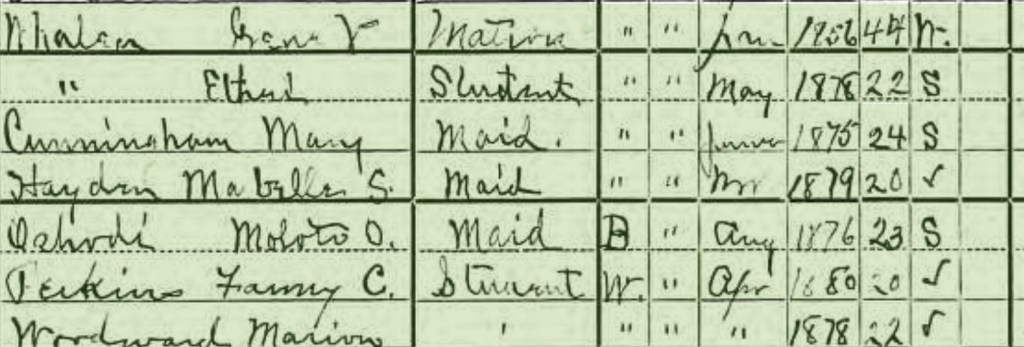
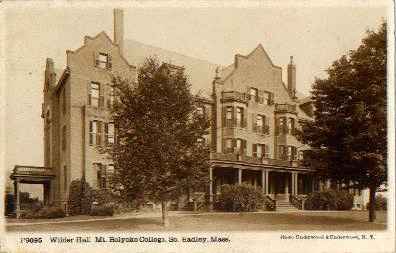
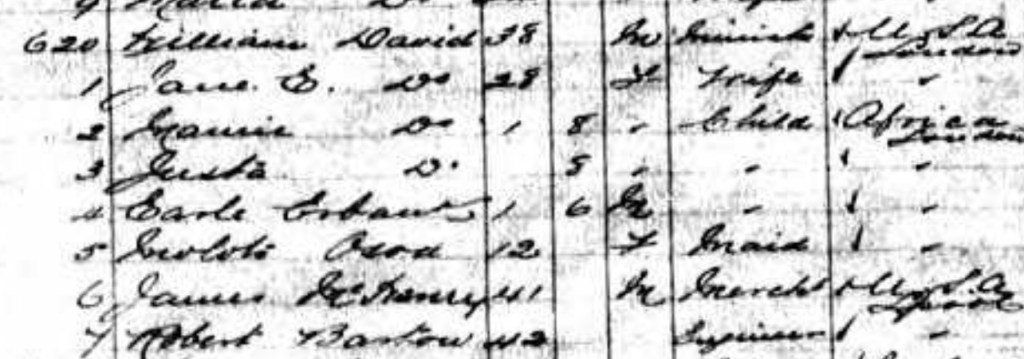
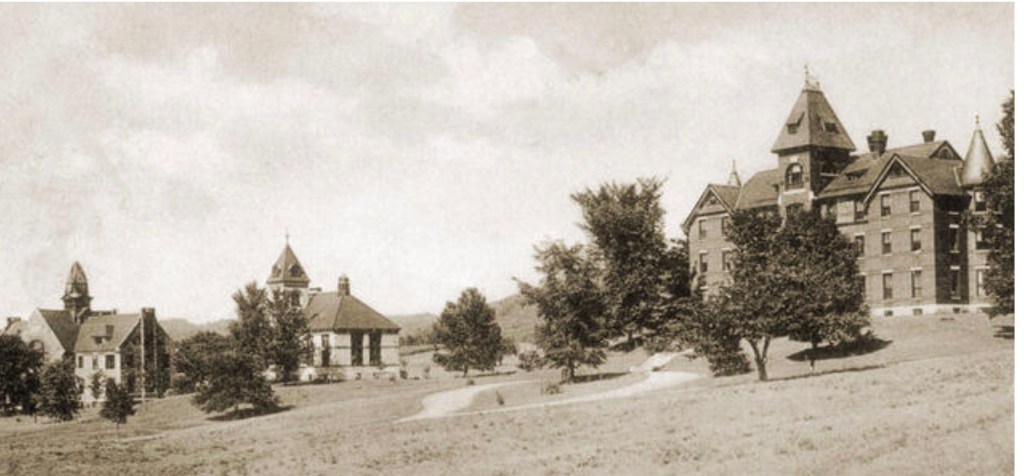
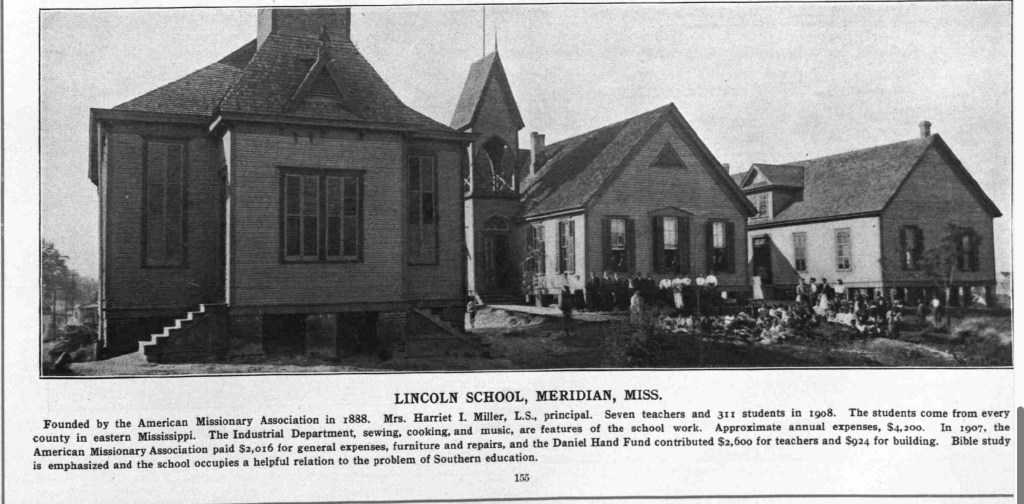

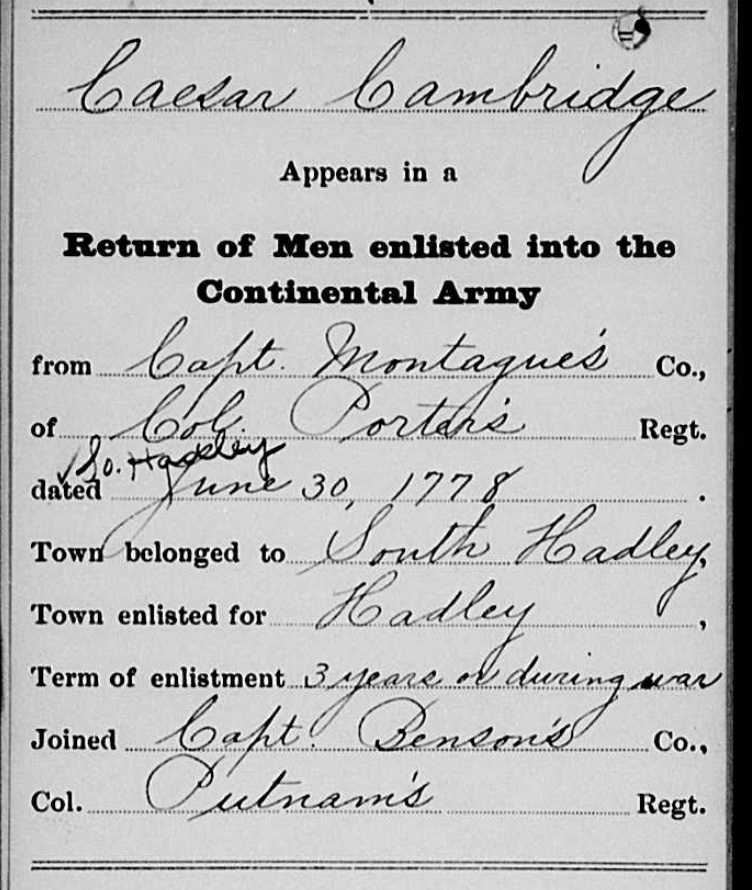

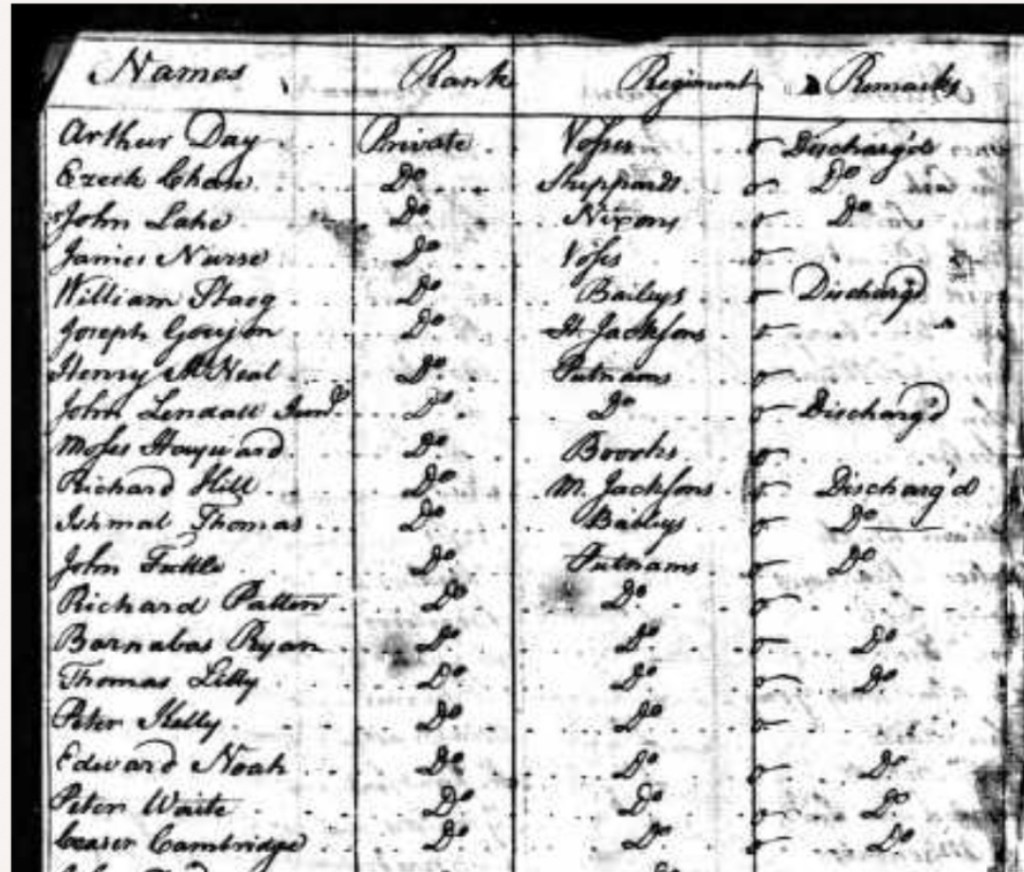
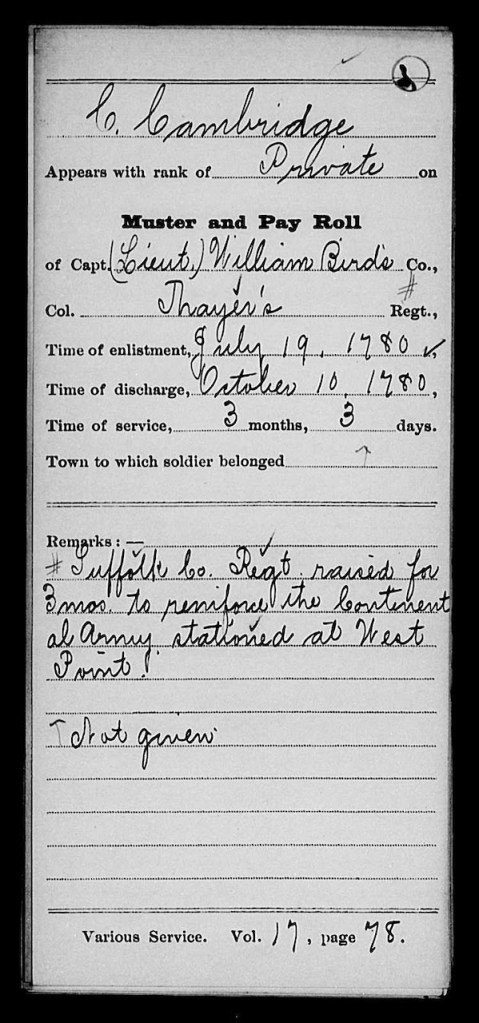




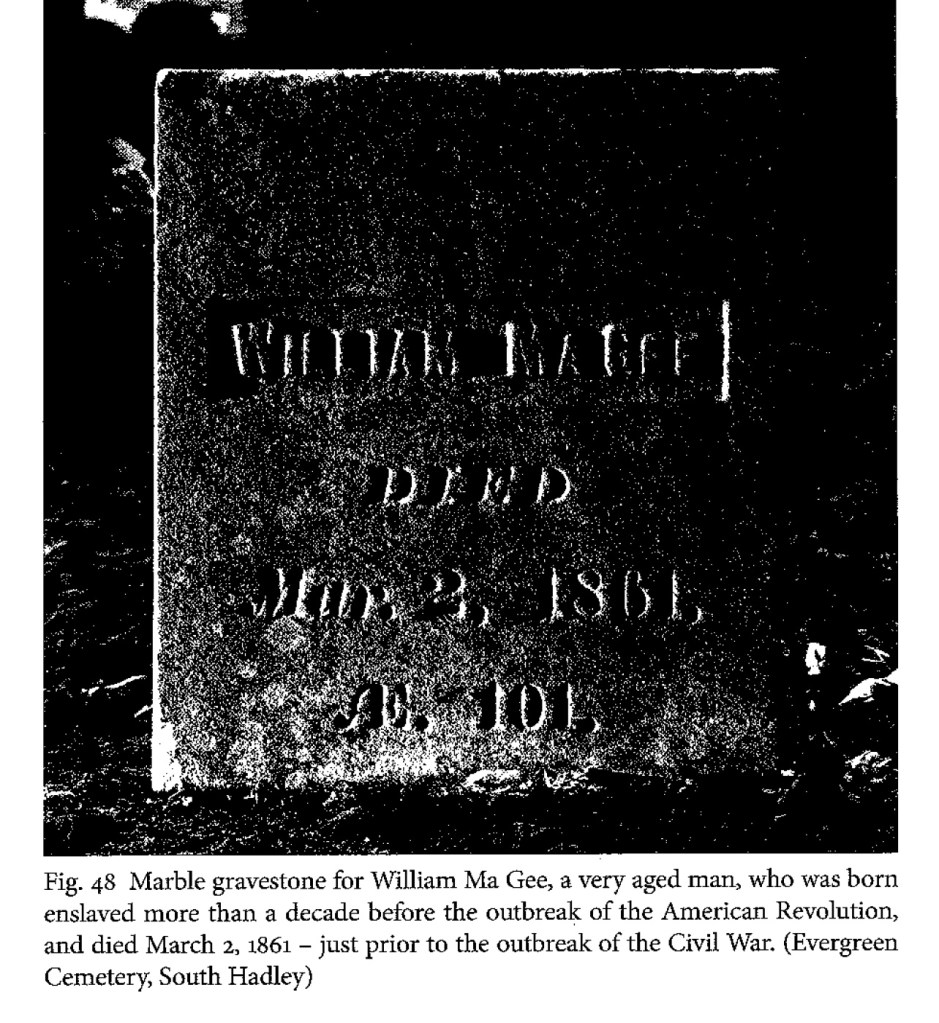
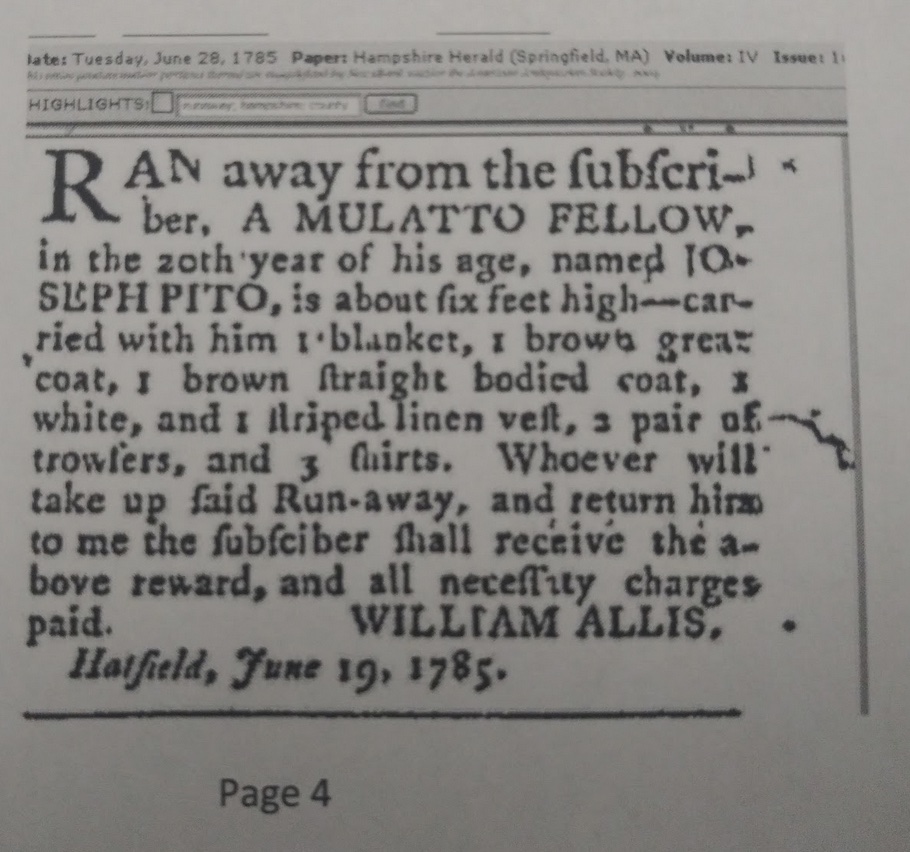
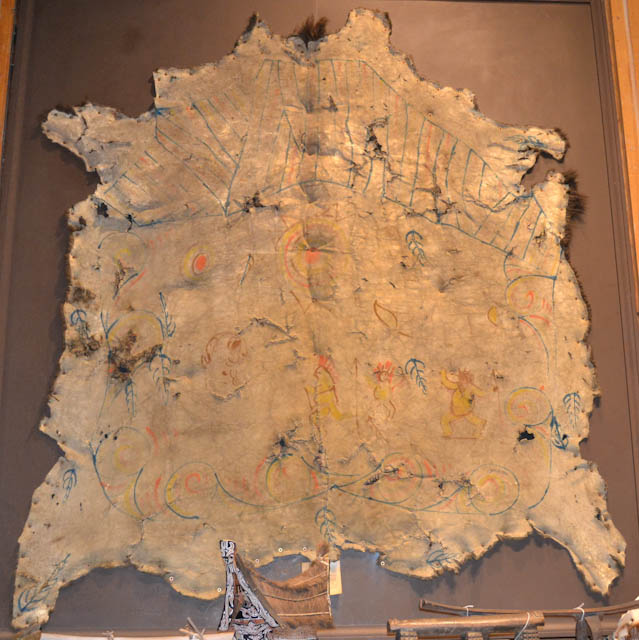
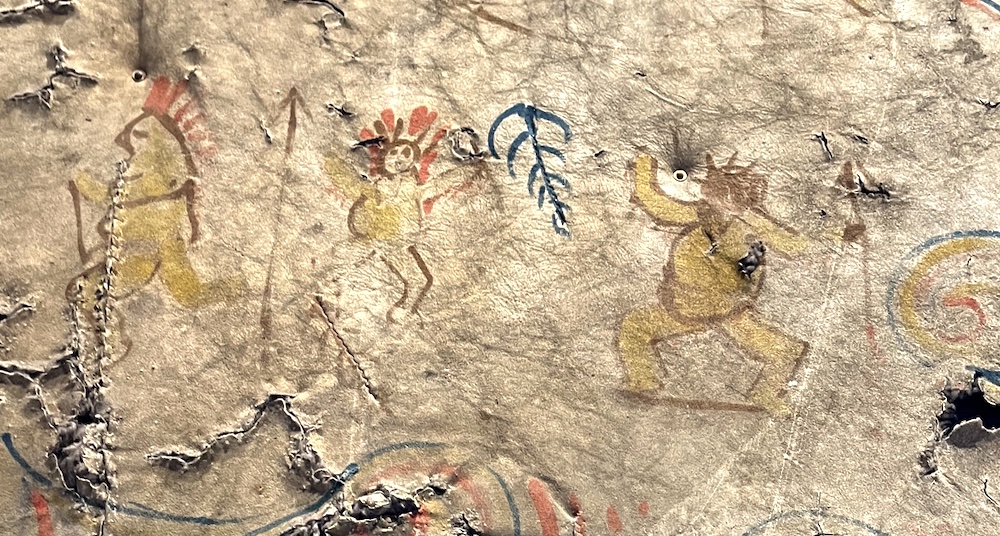
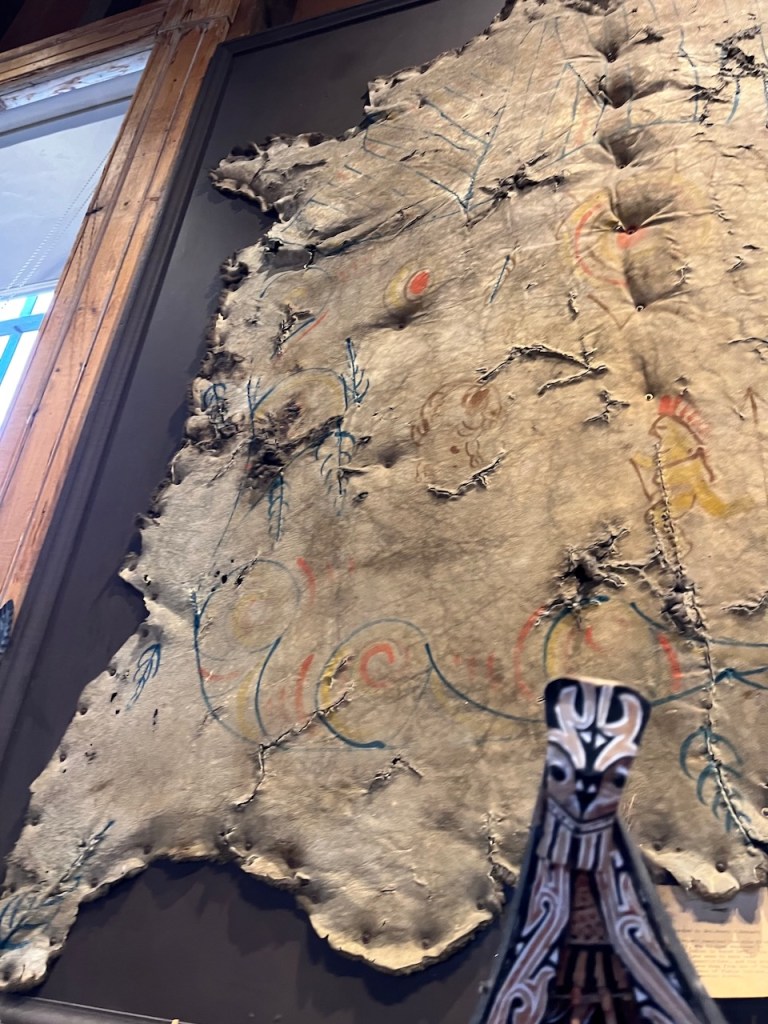
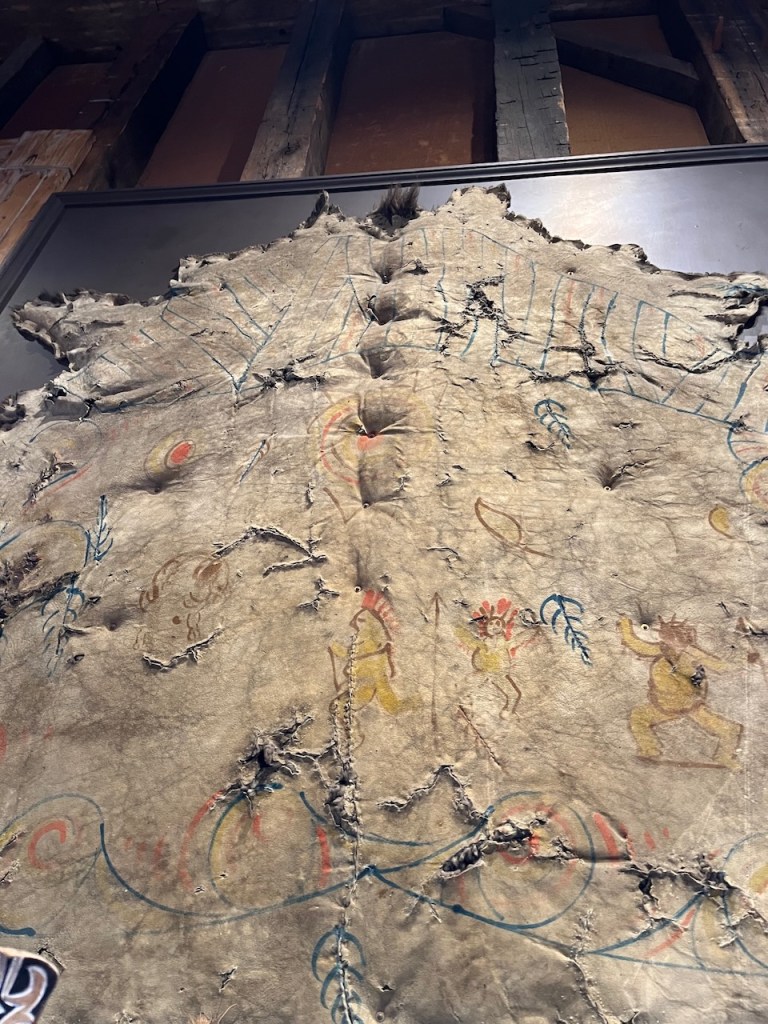
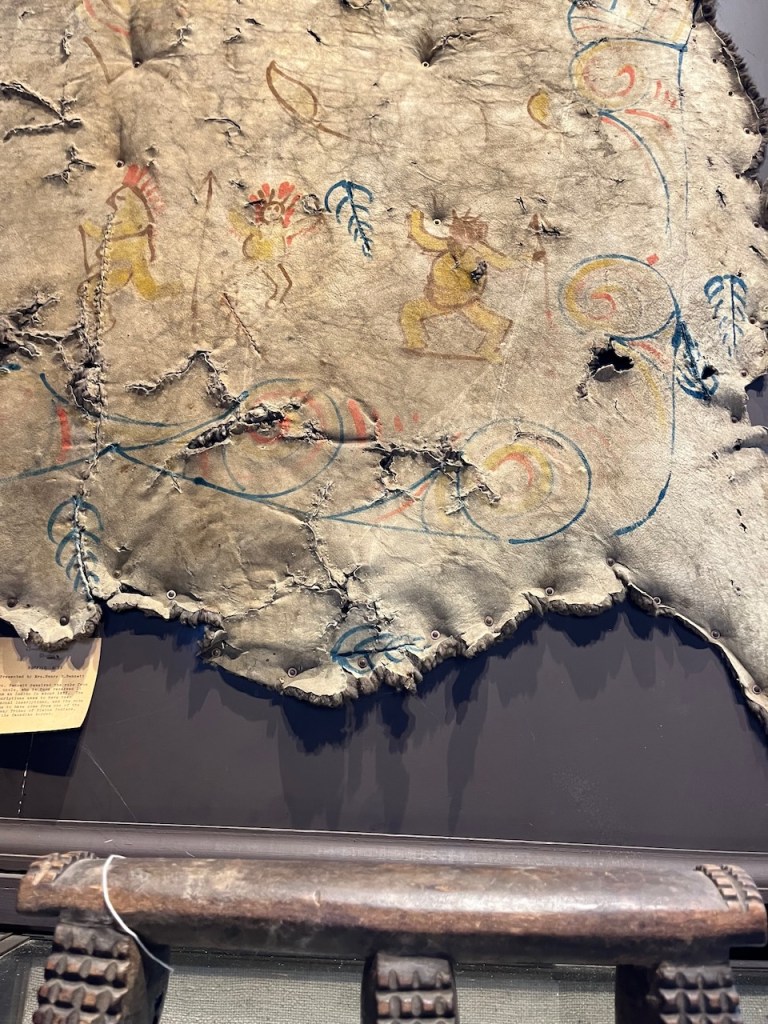
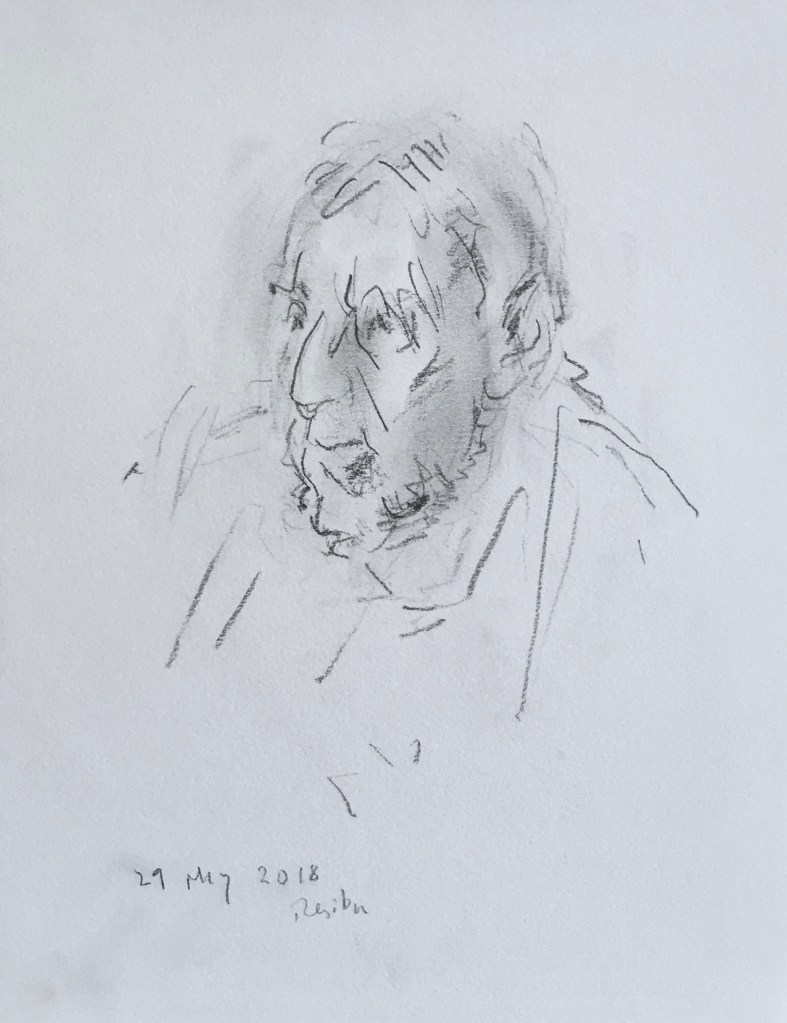
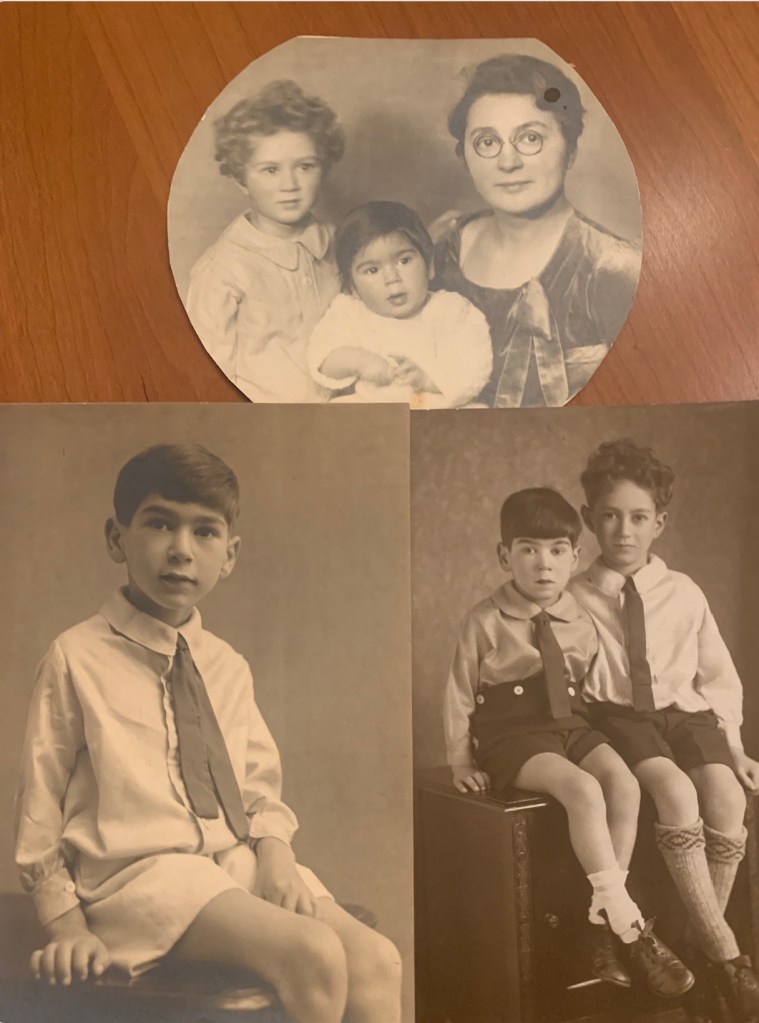
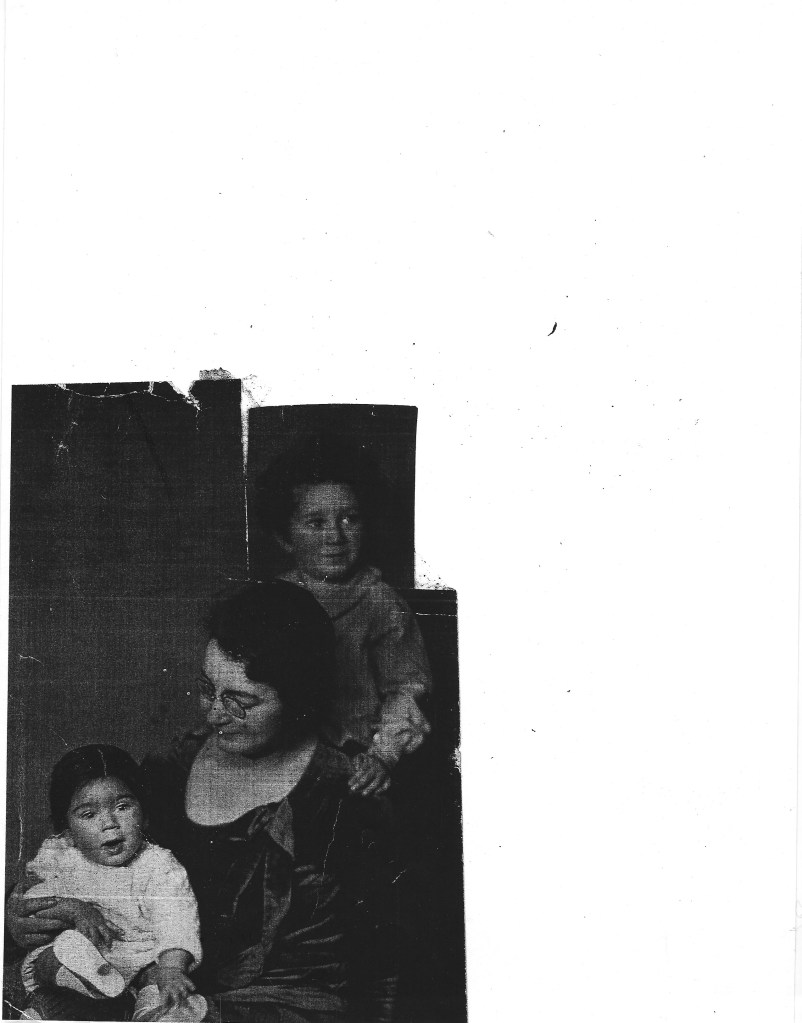
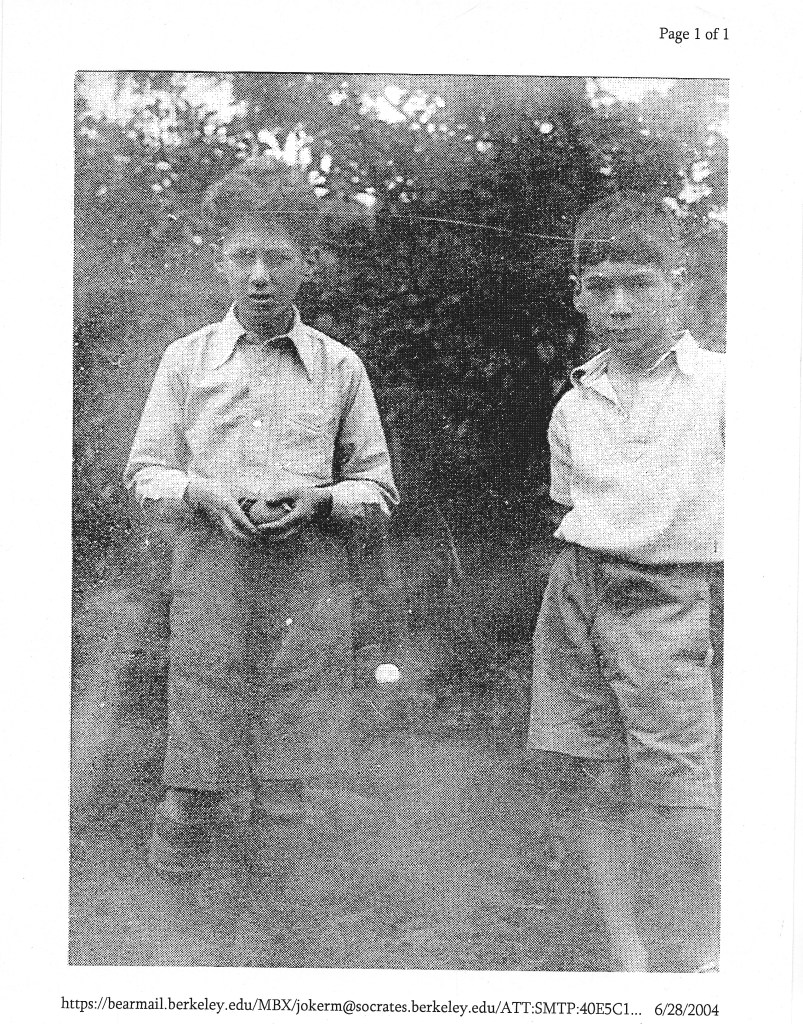
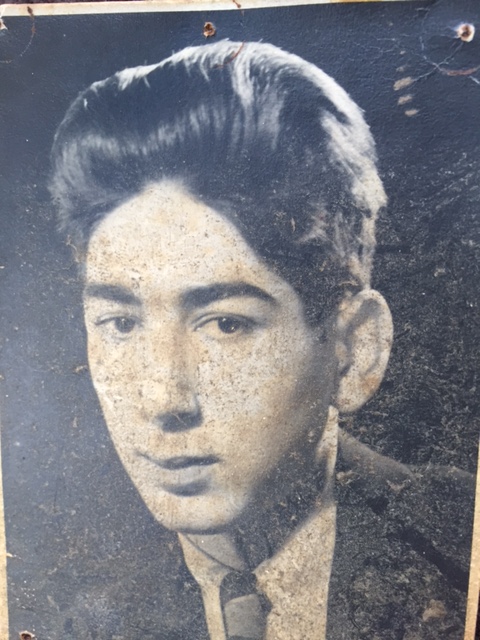
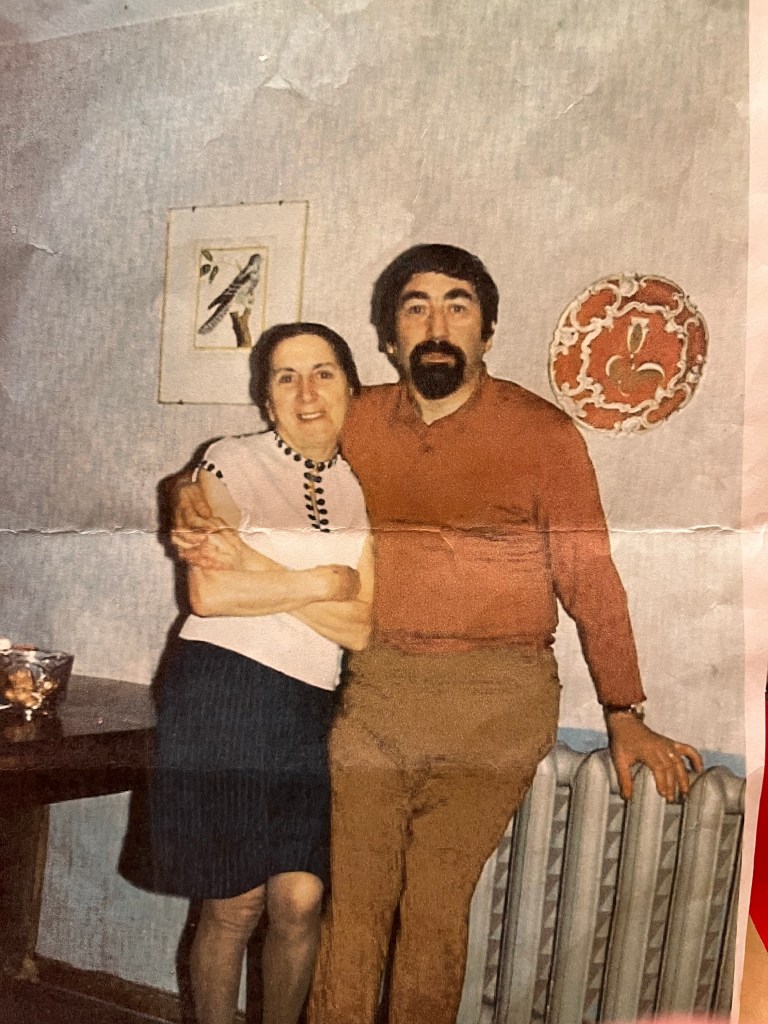
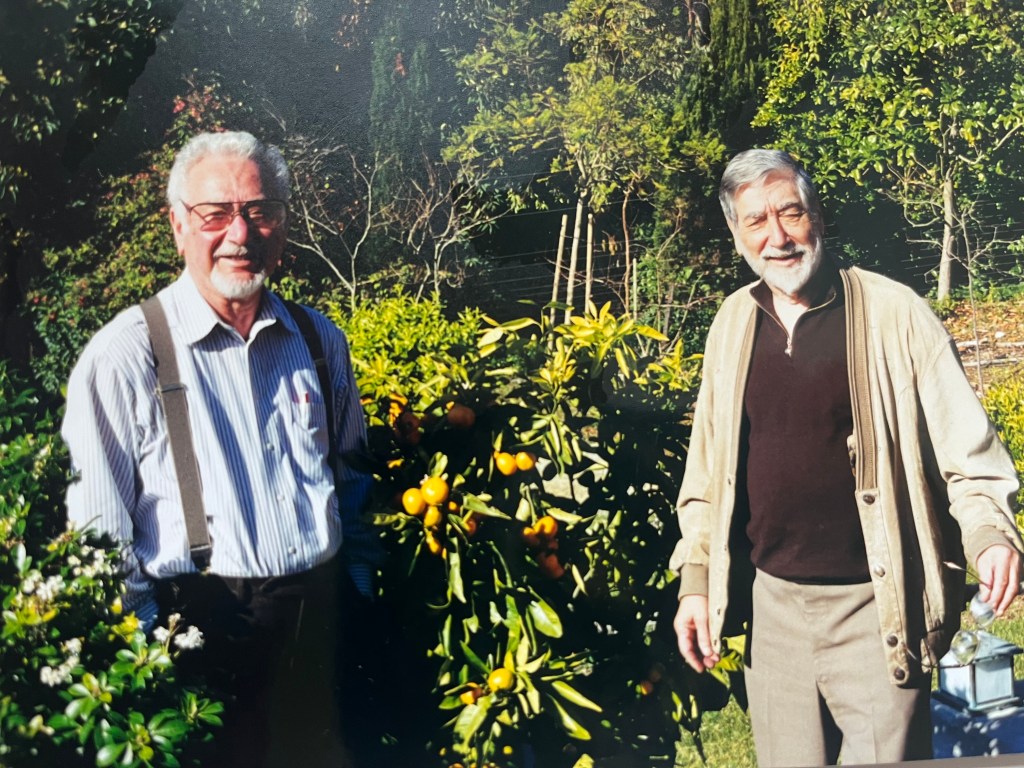
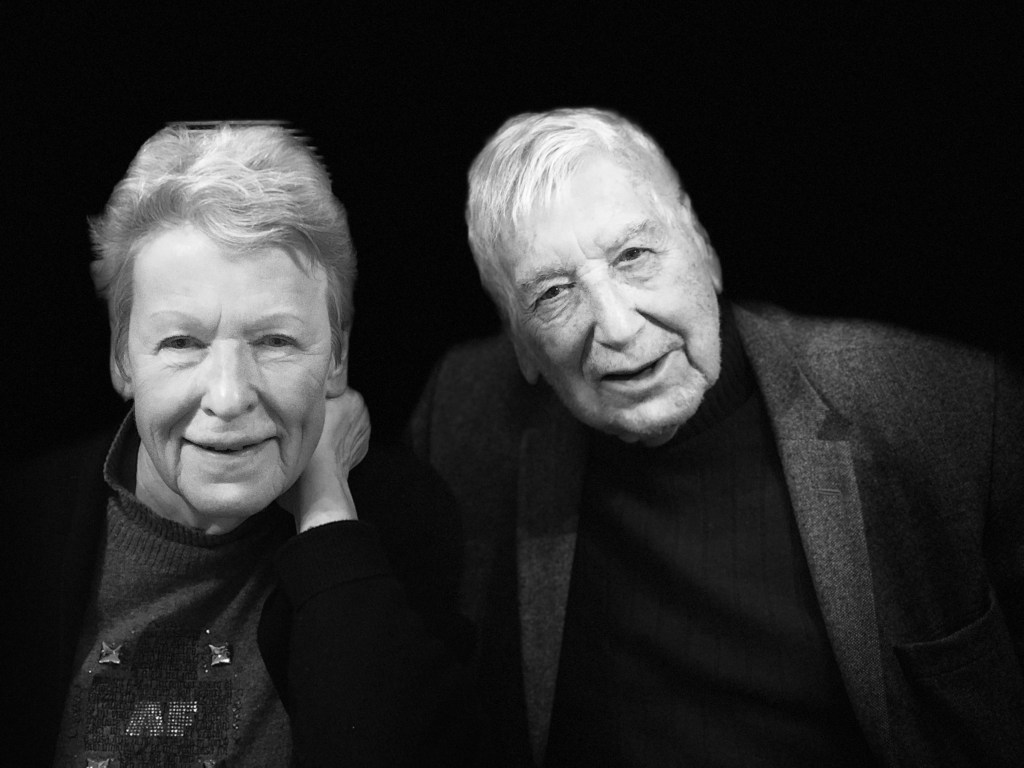
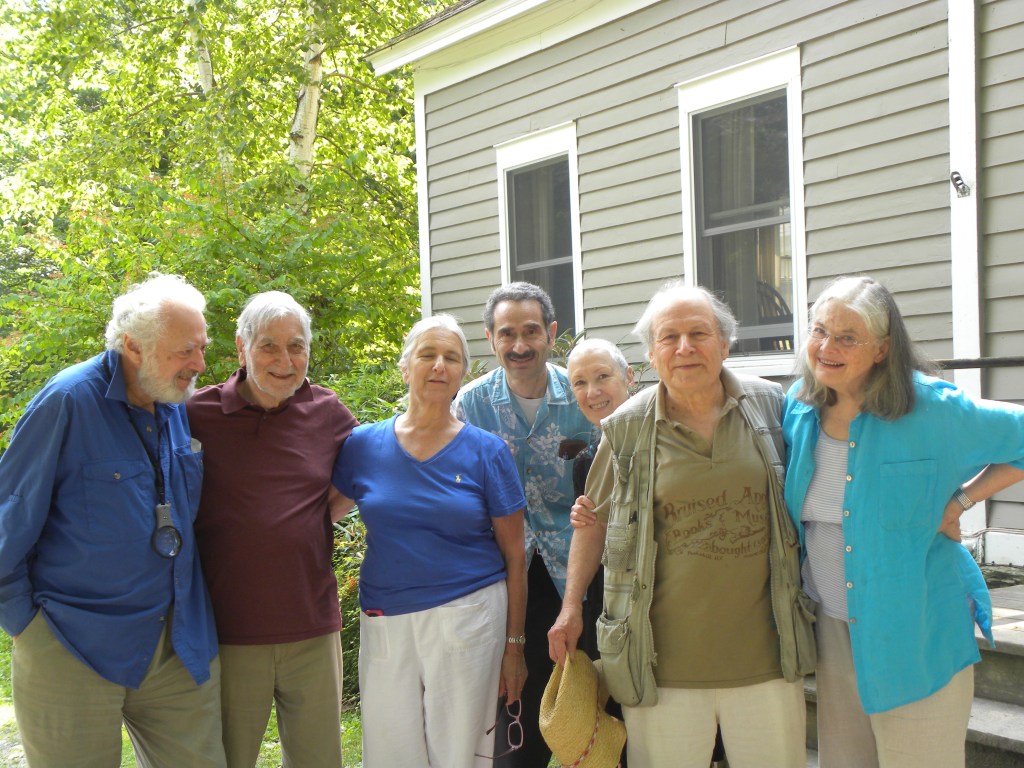
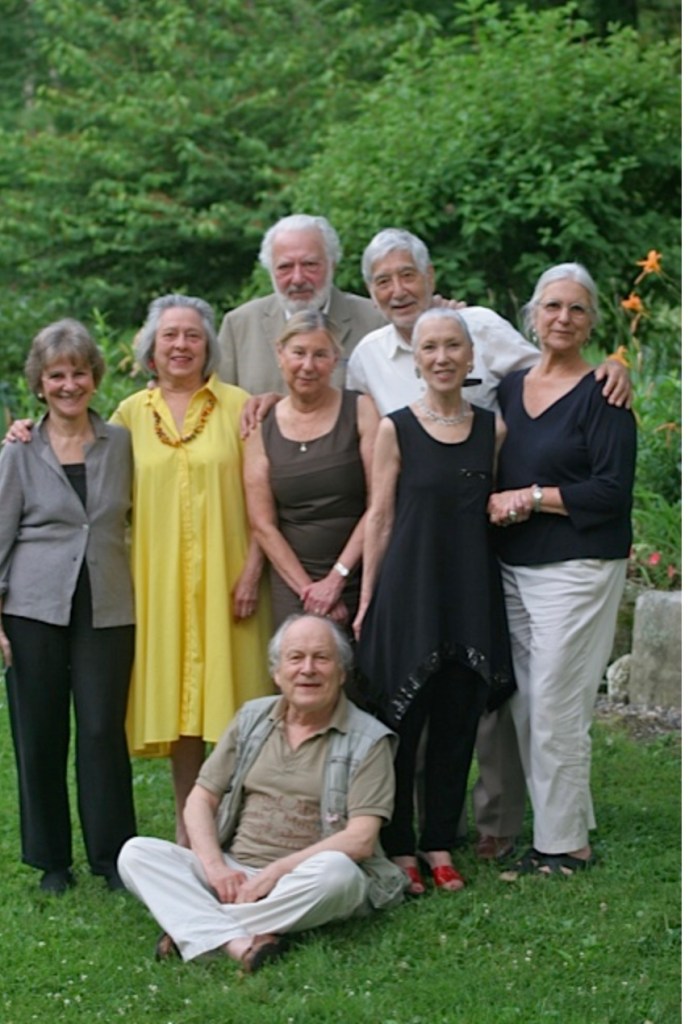
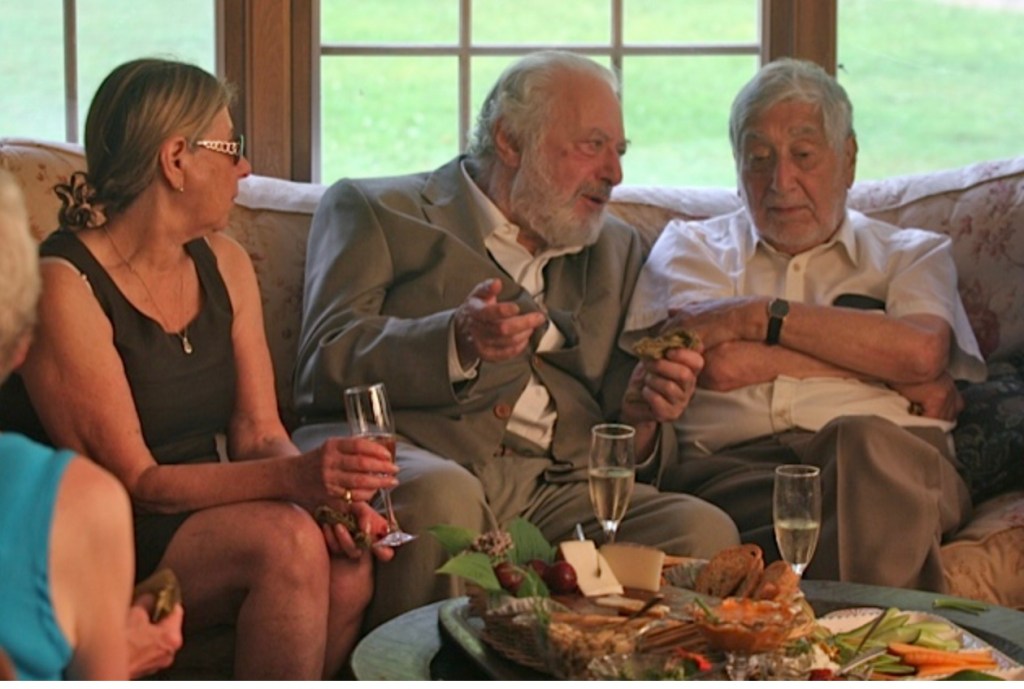
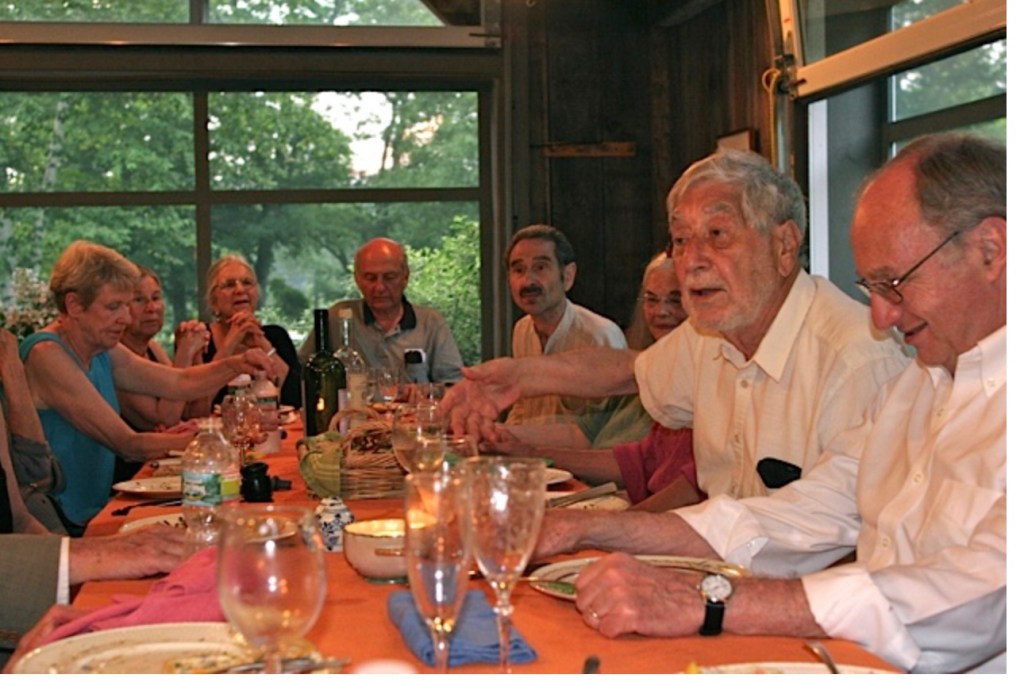
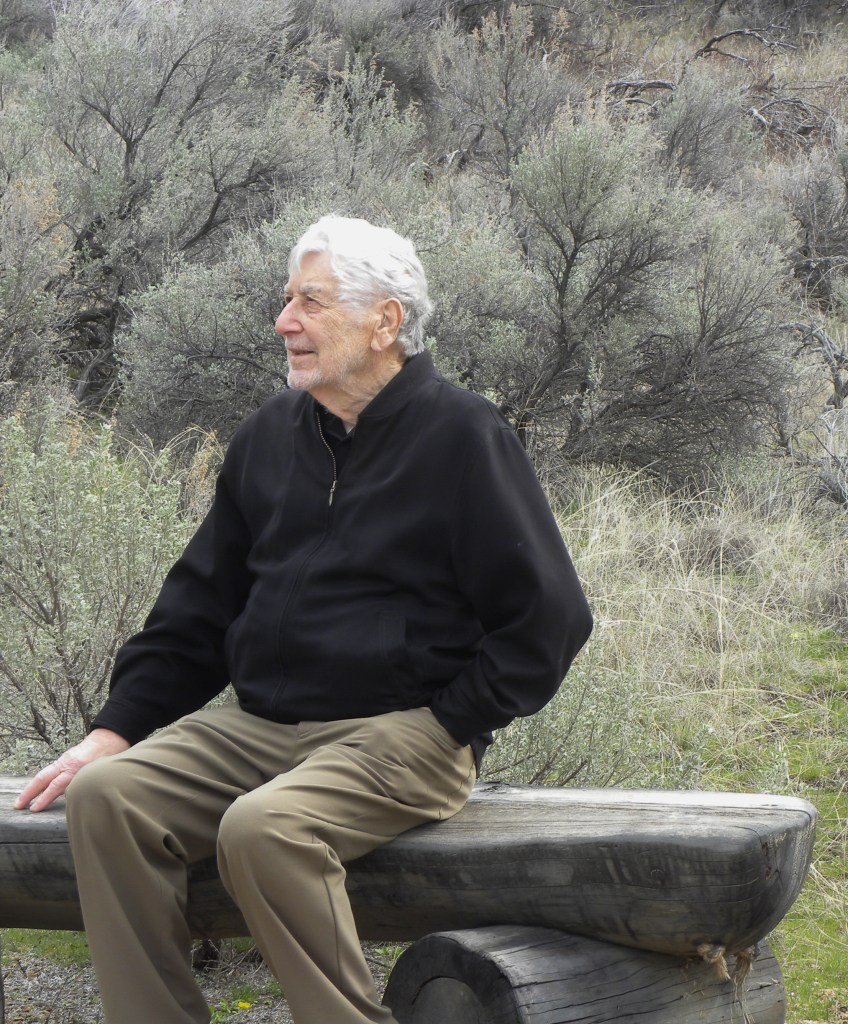
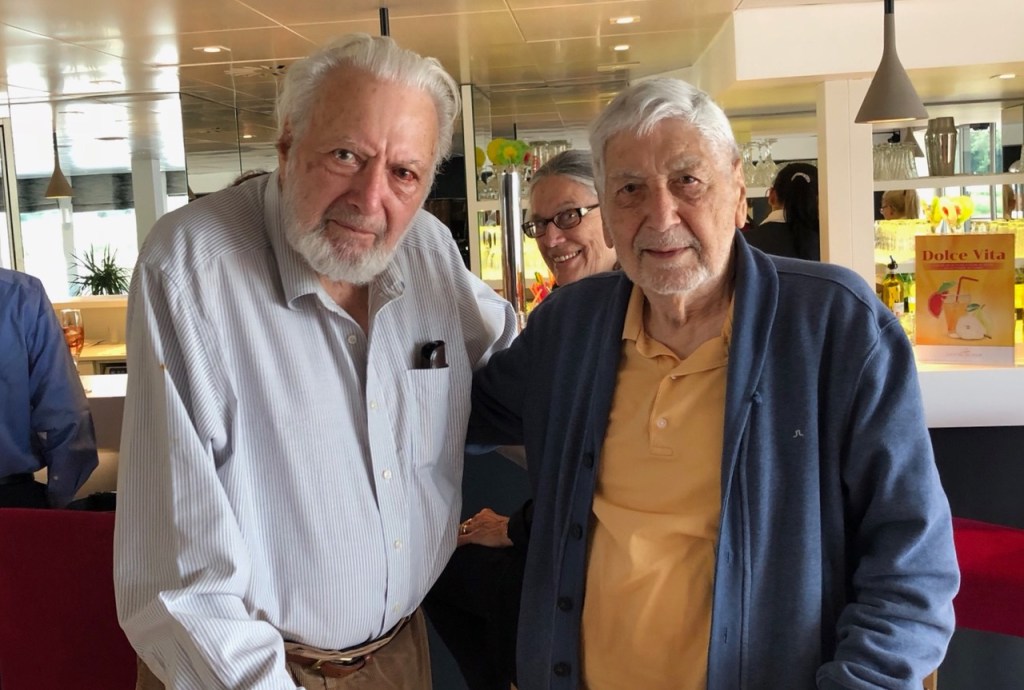
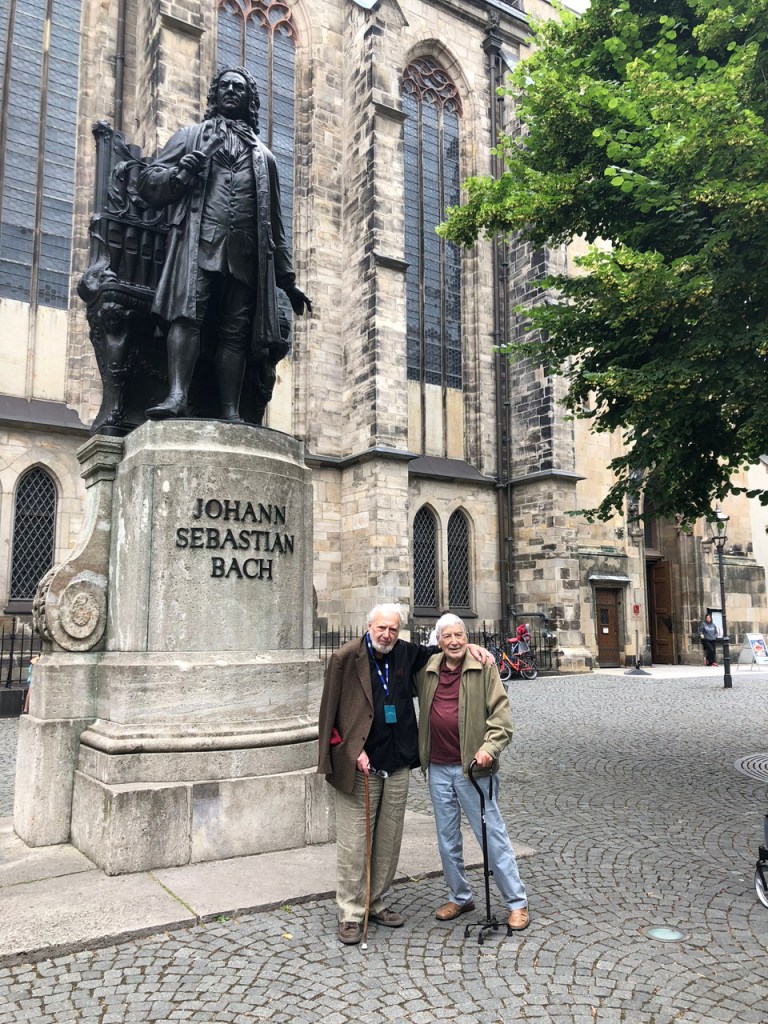
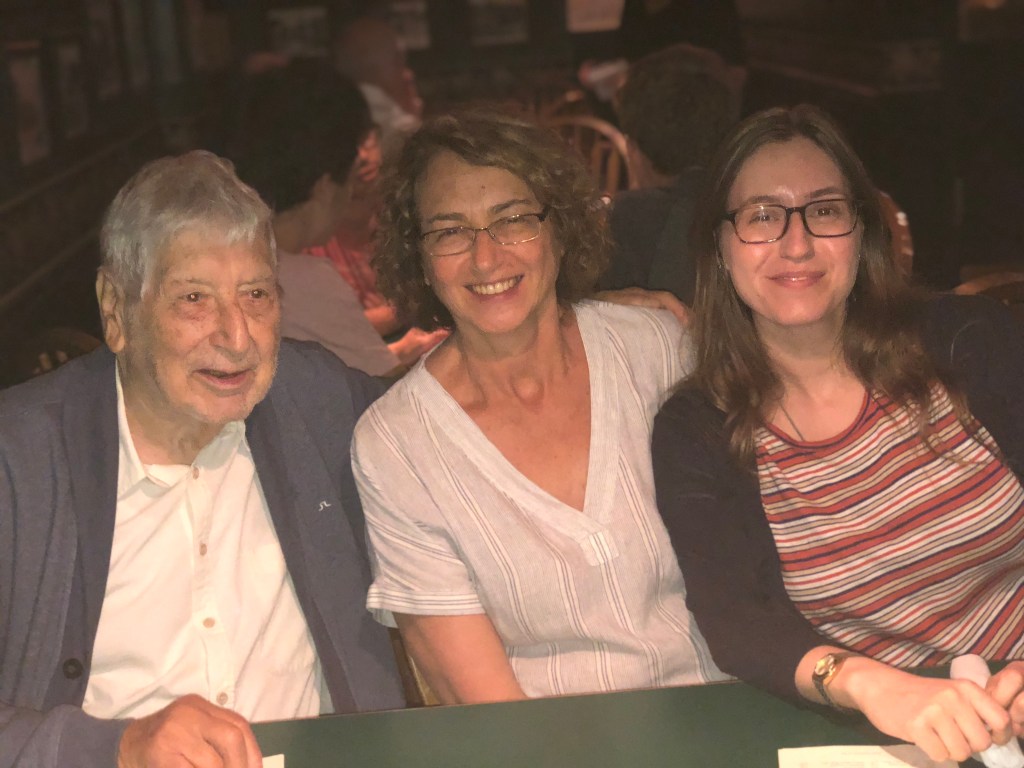
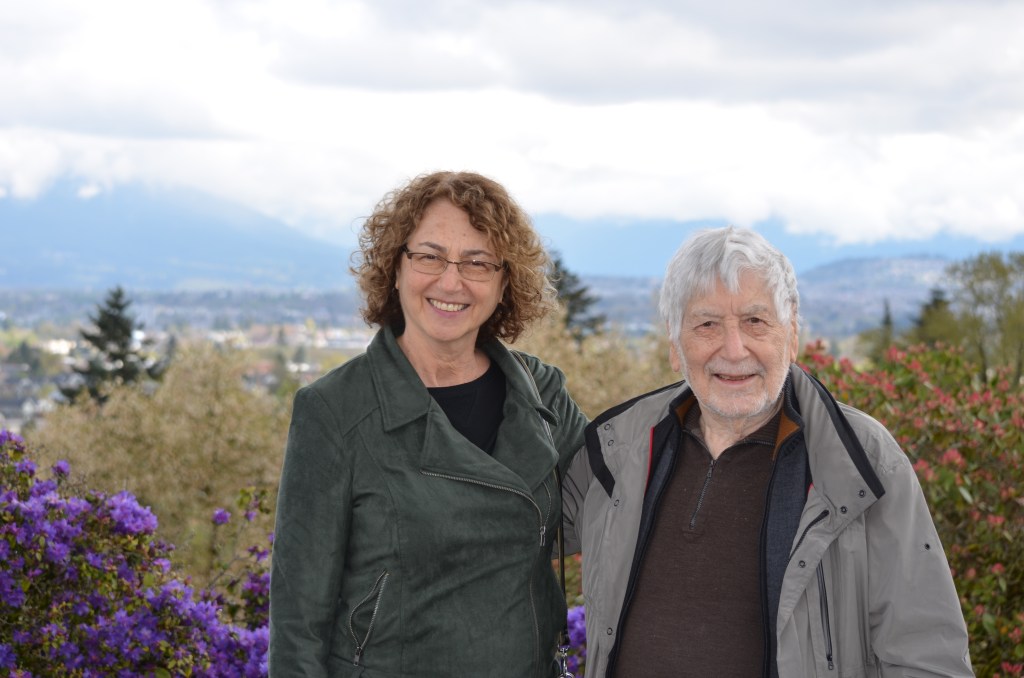
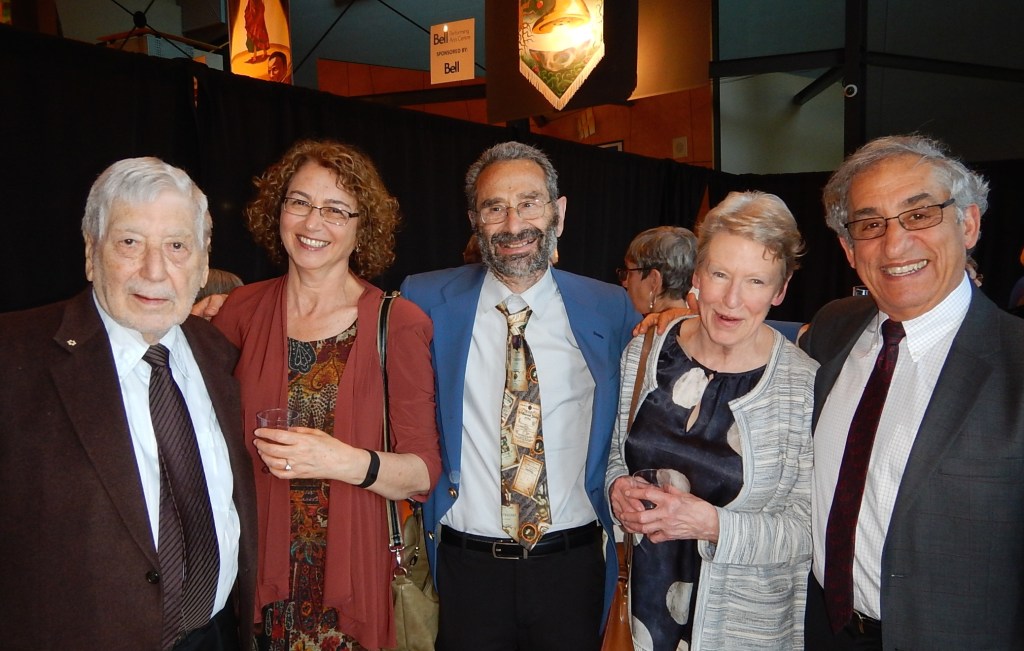
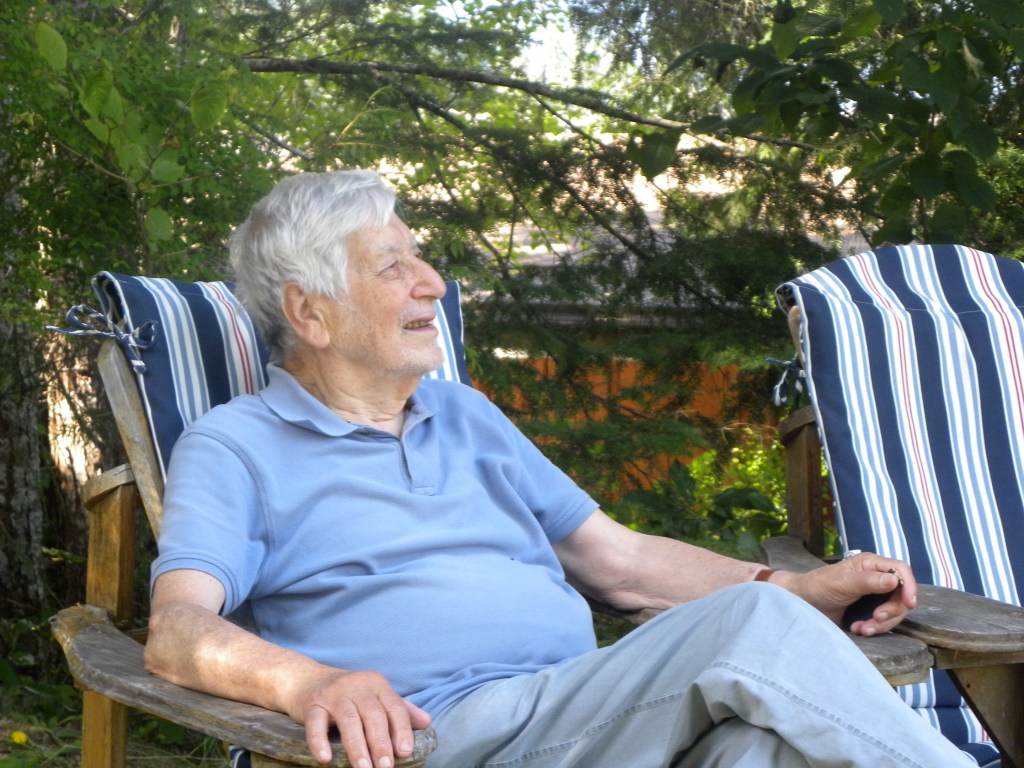
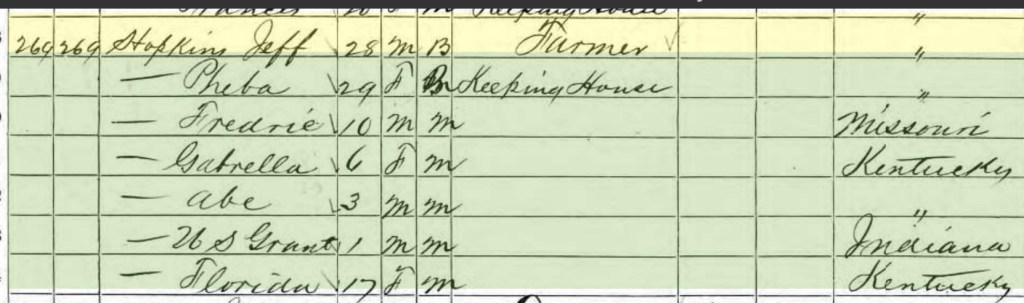

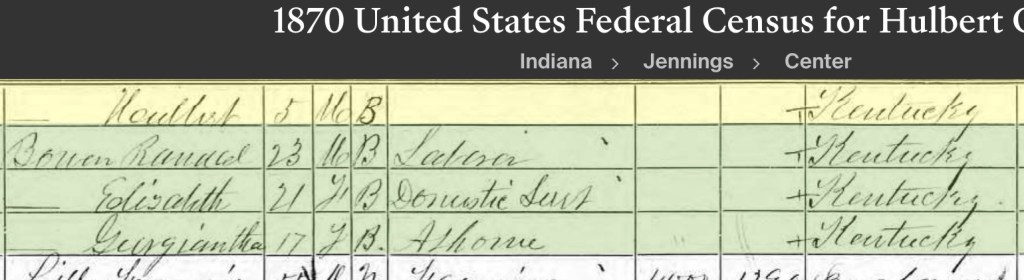
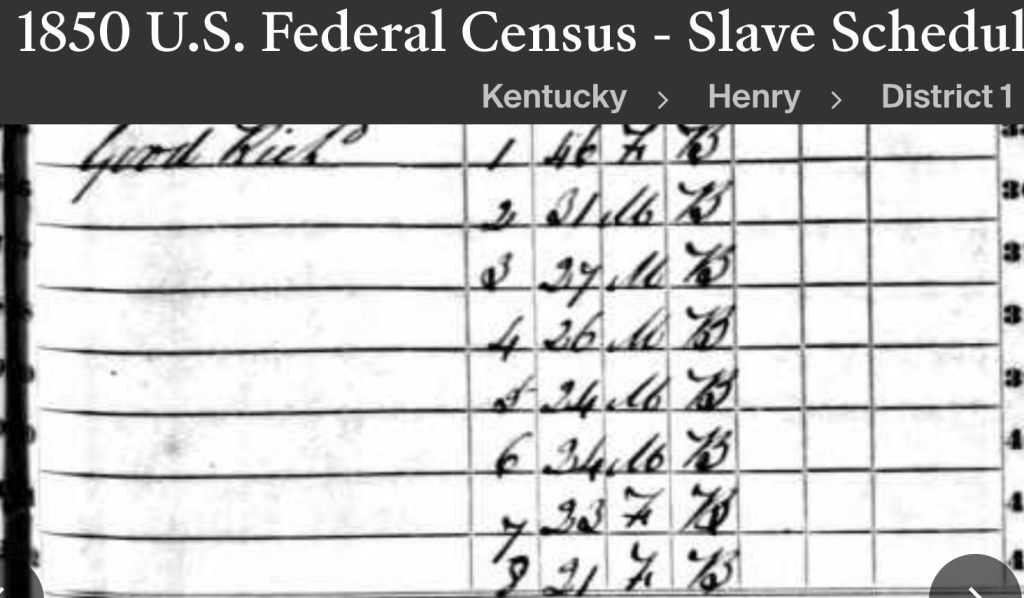
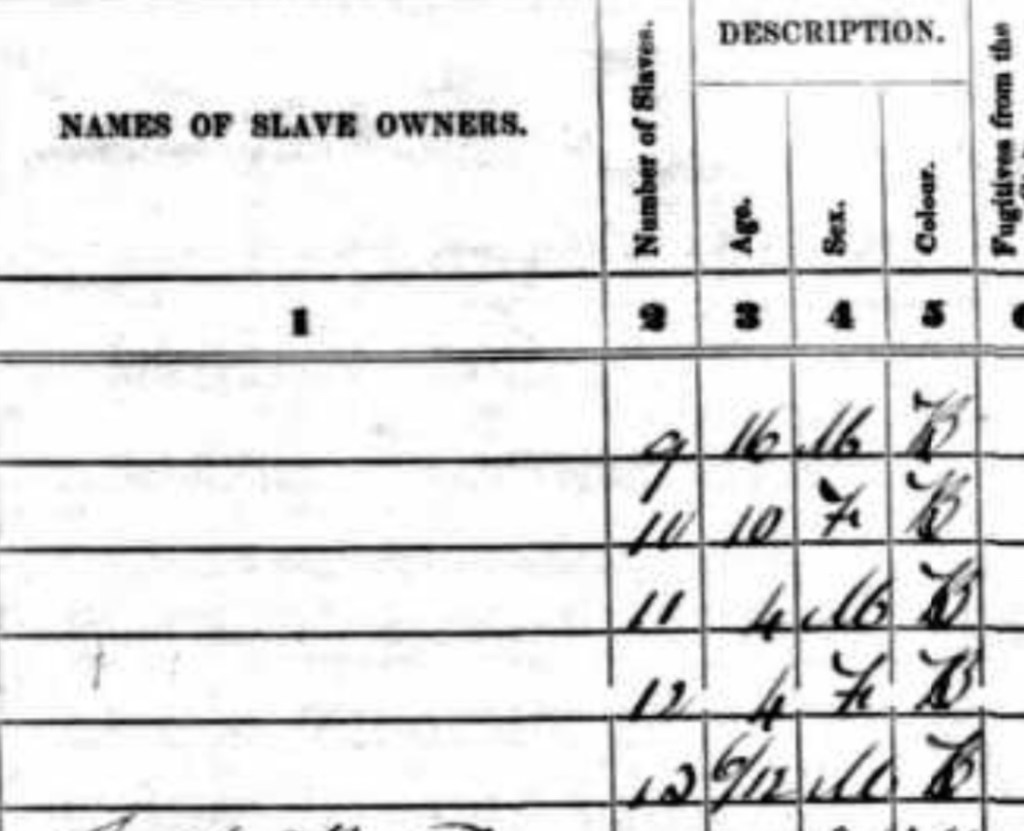
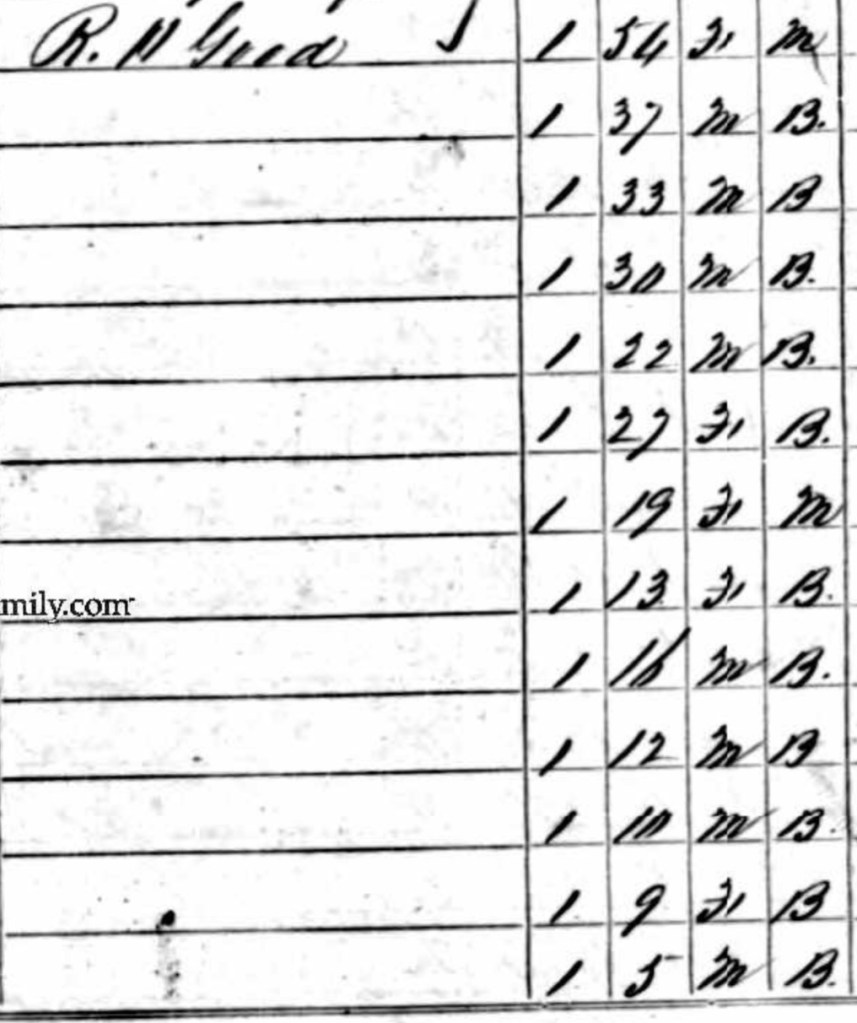
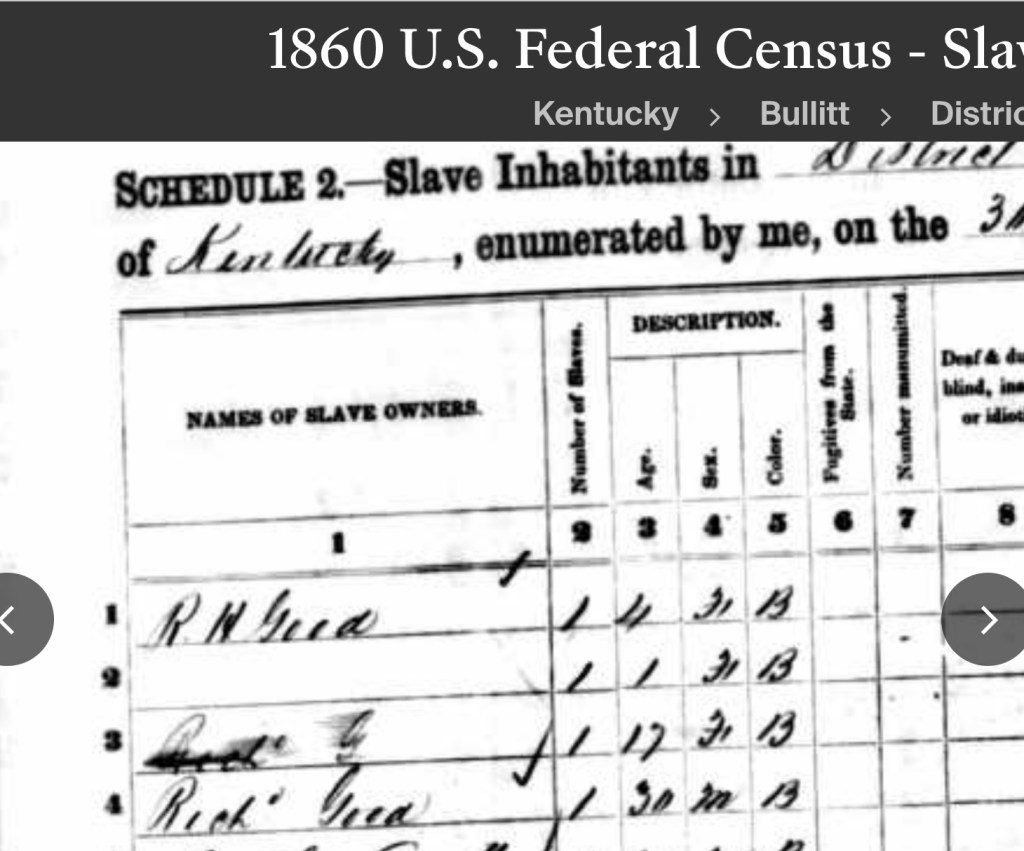
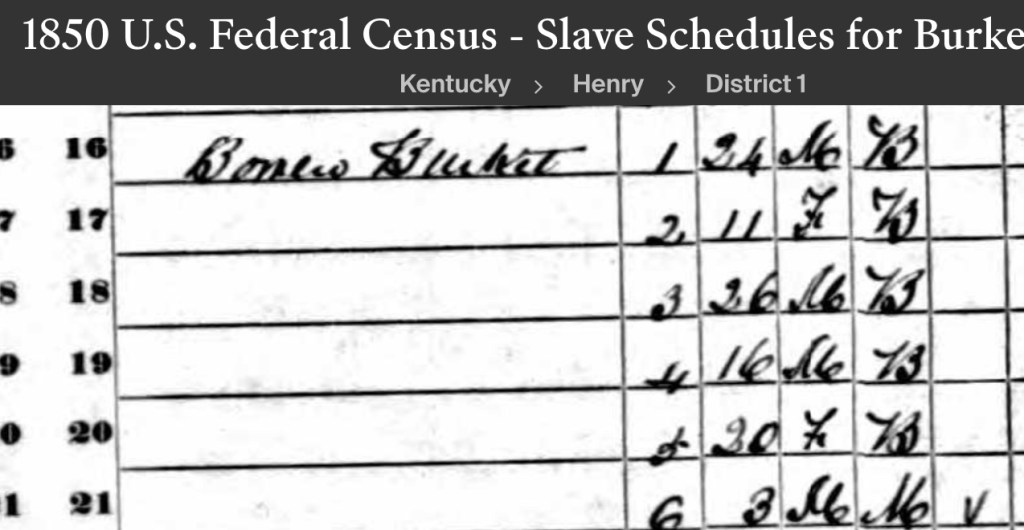
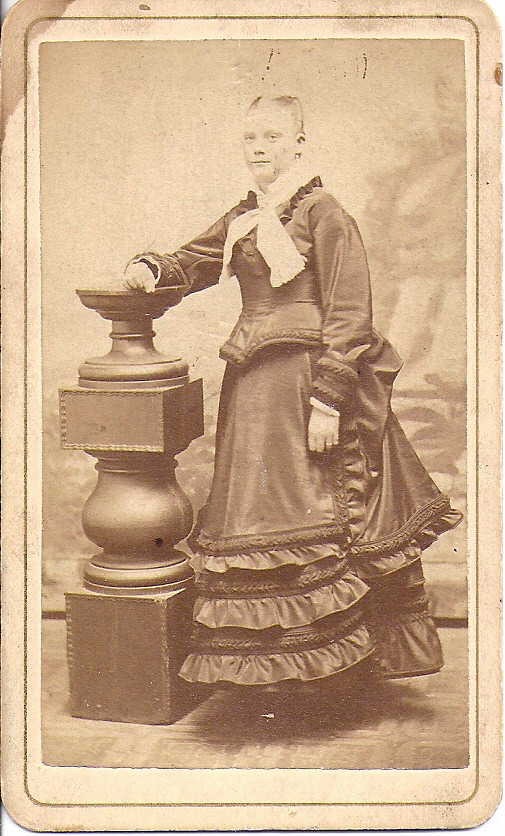
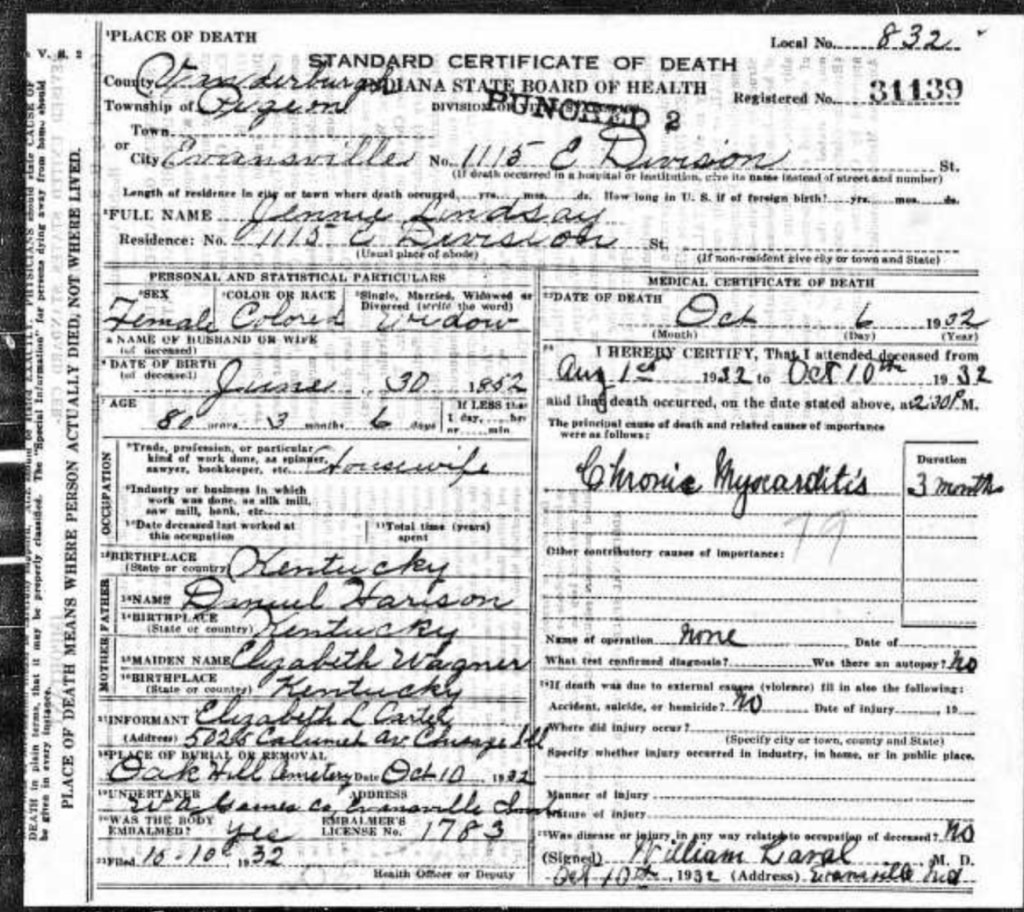
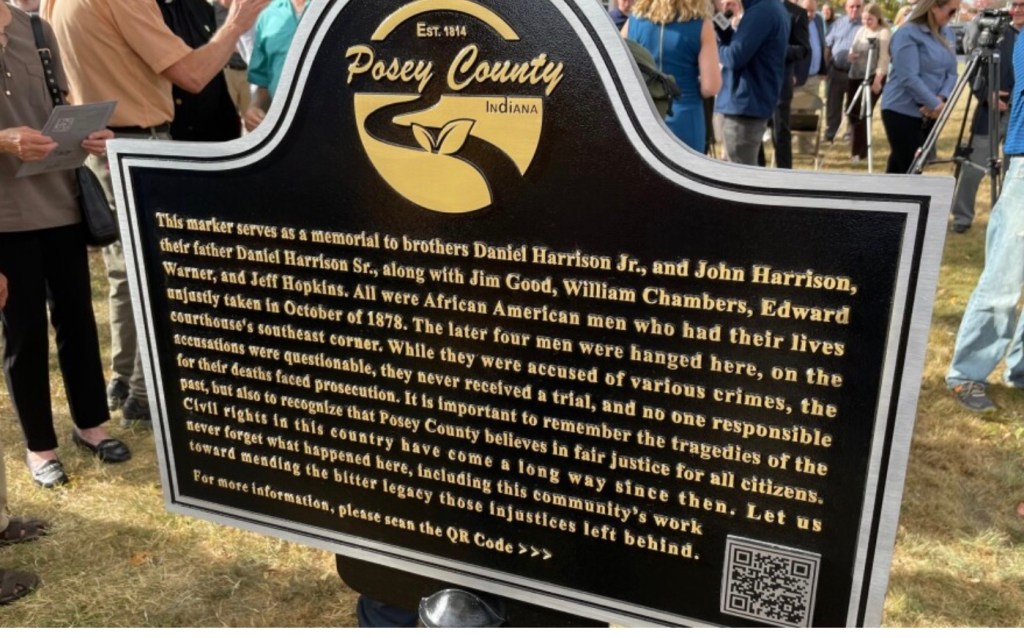
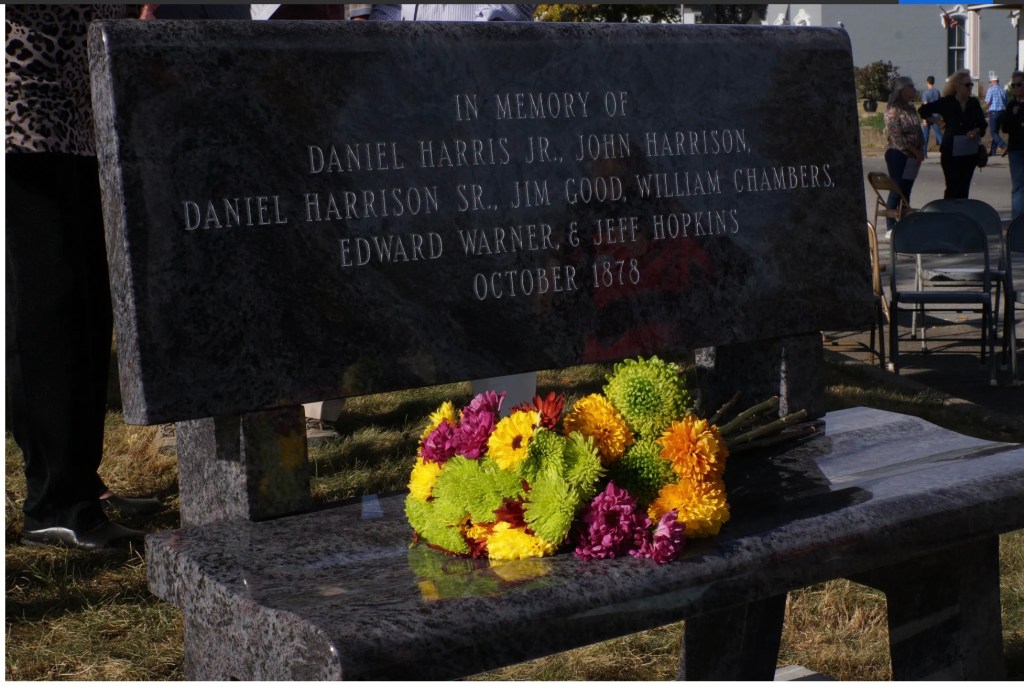
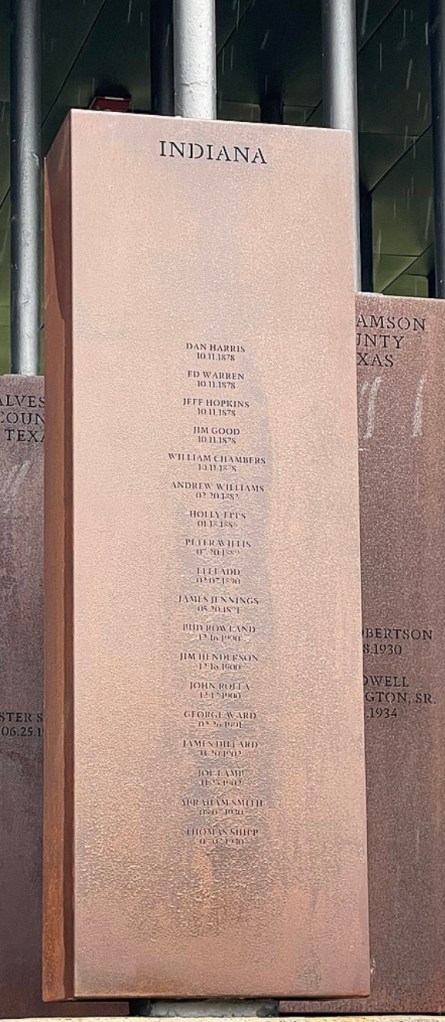
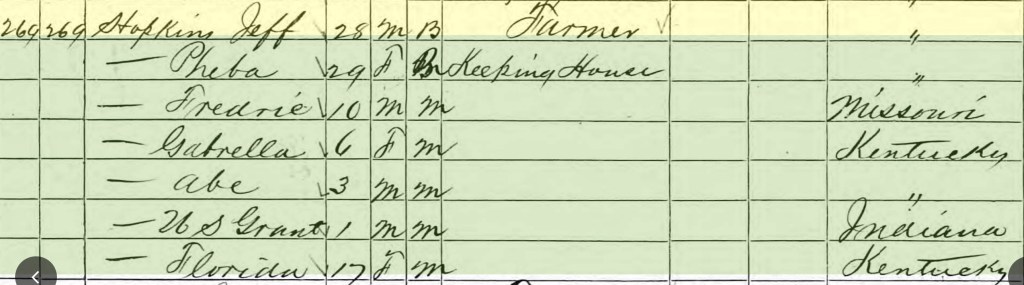
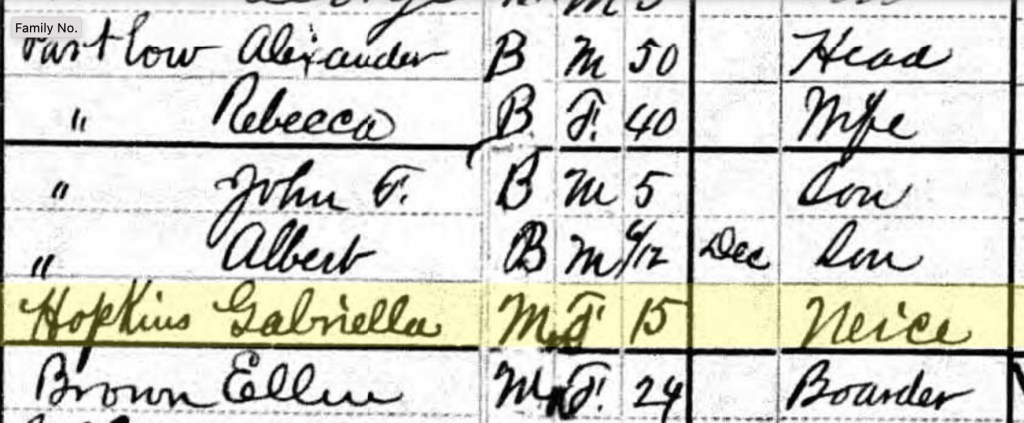
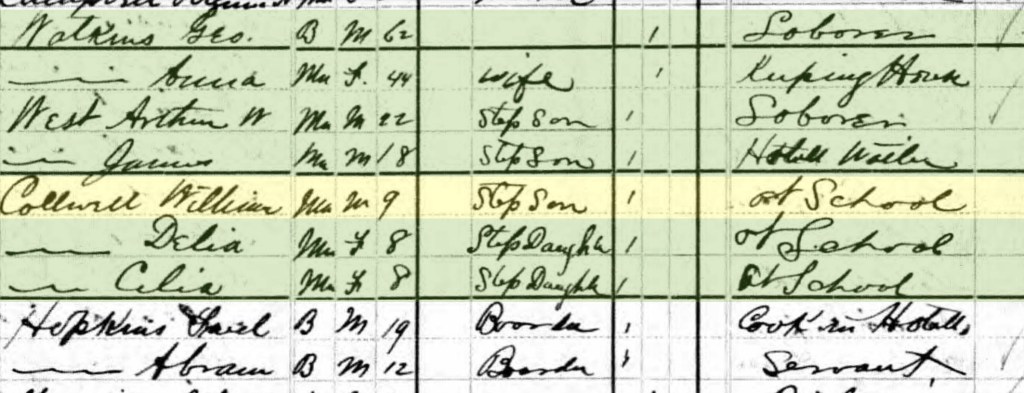

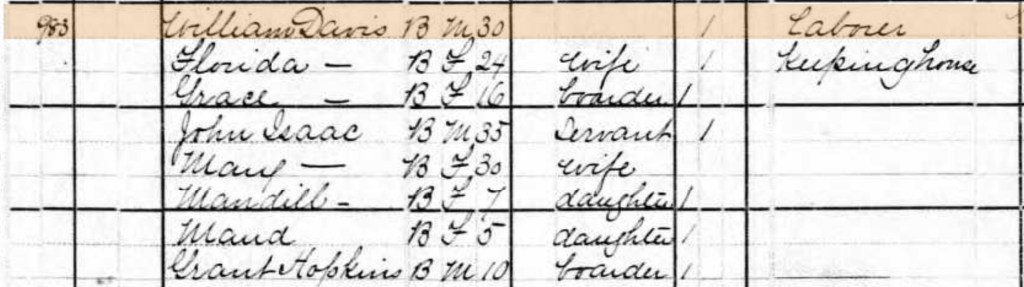

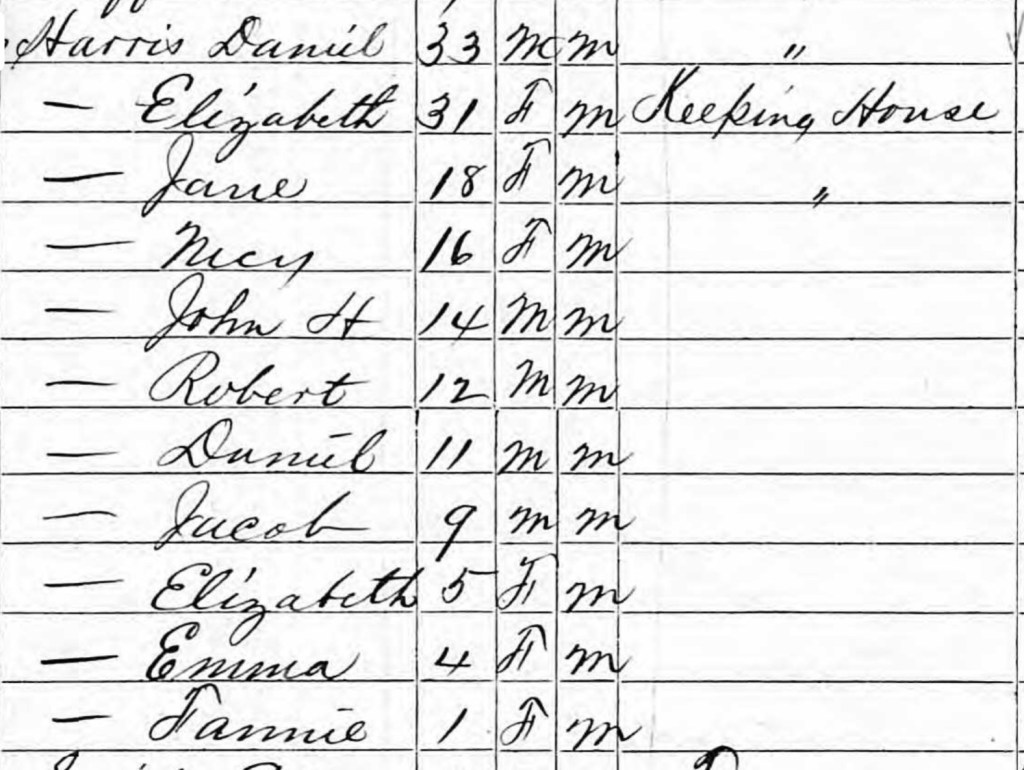
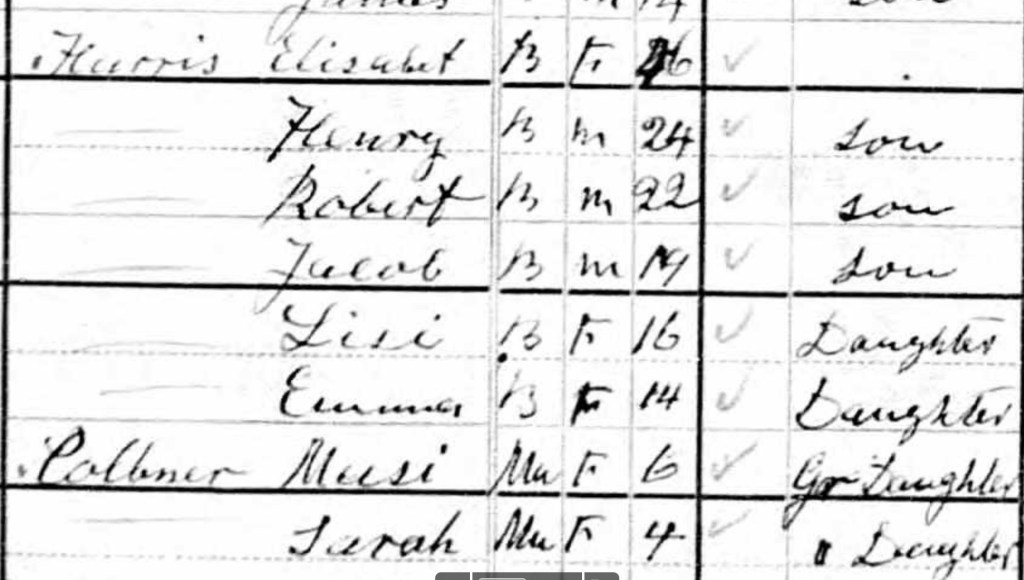
 1880 census, Evansville, IN for Julia Harris and children Celia and David Harris.
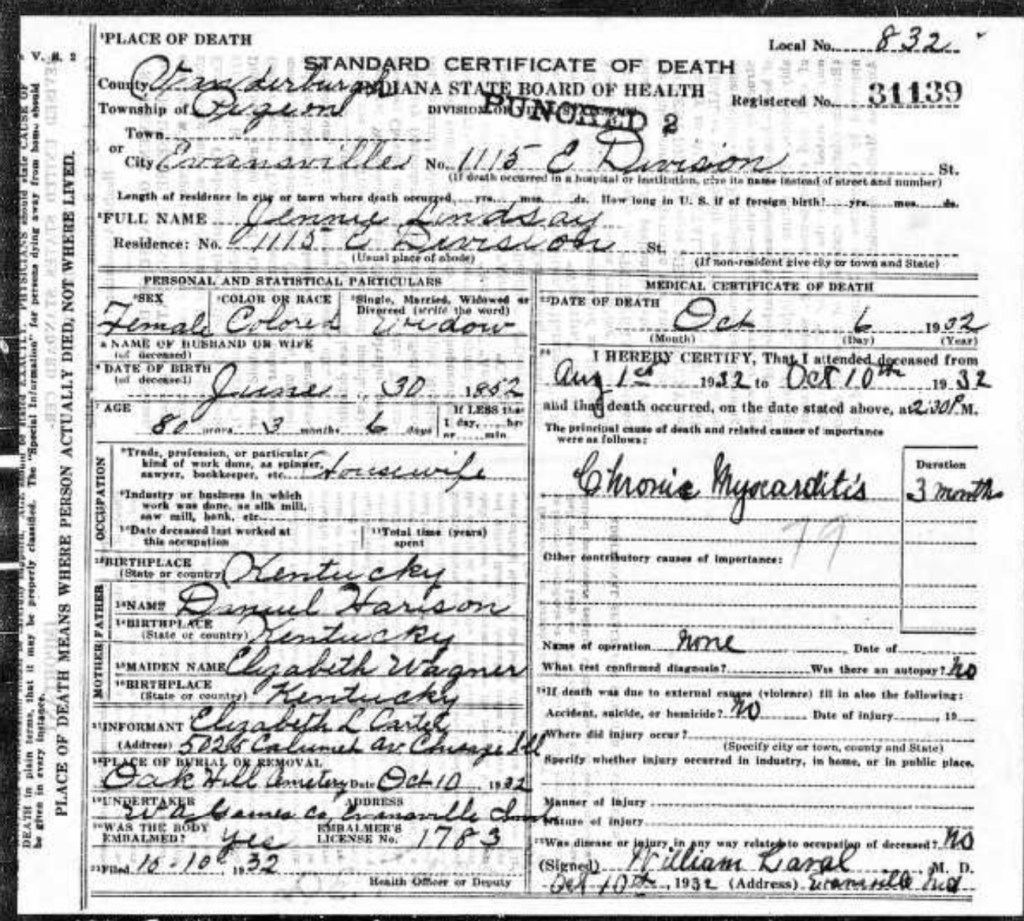
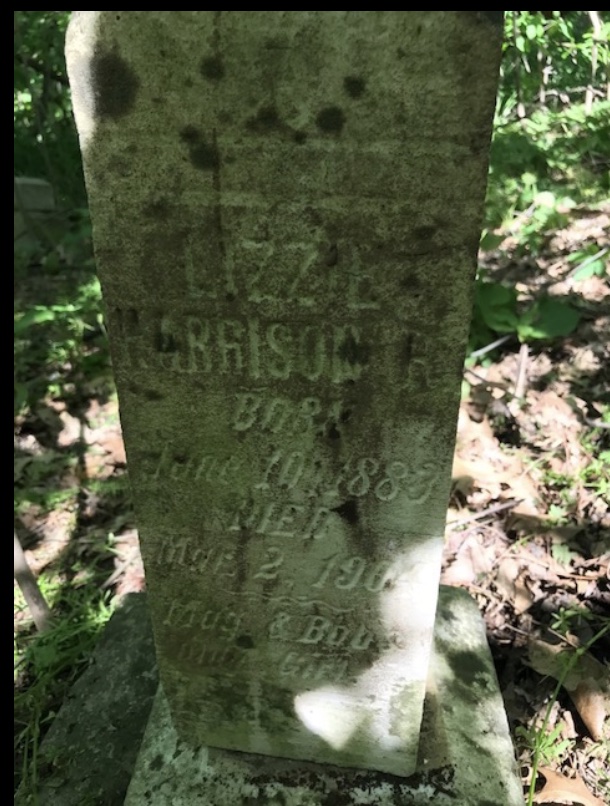
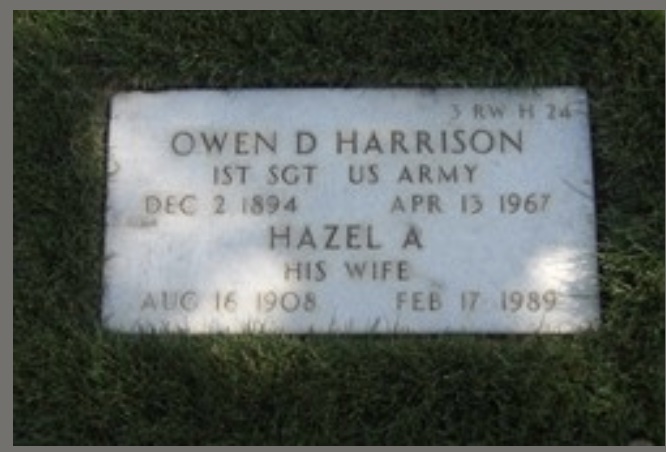
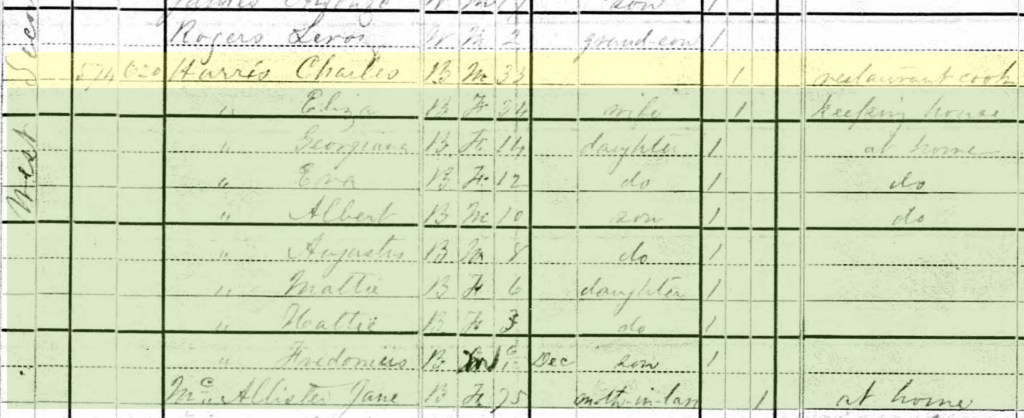
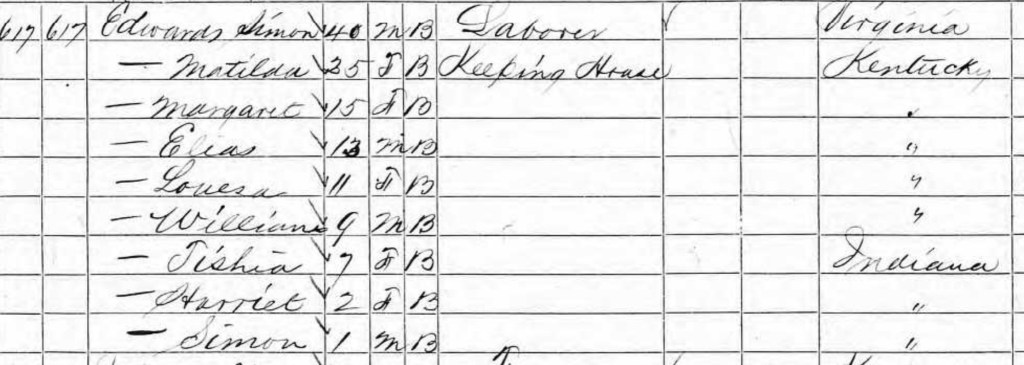
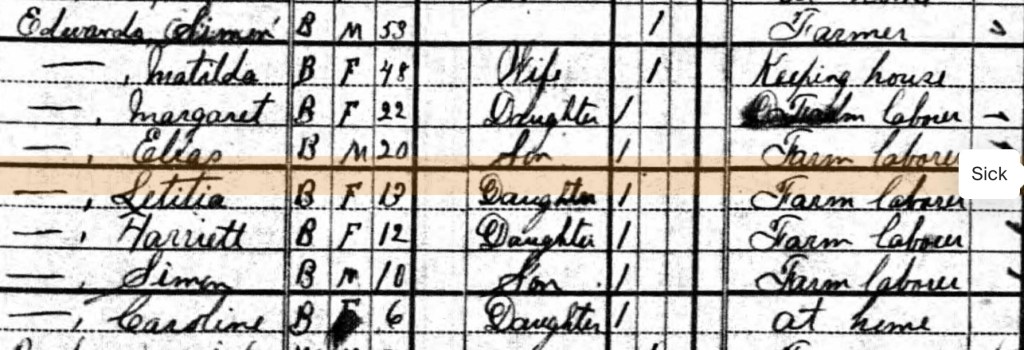
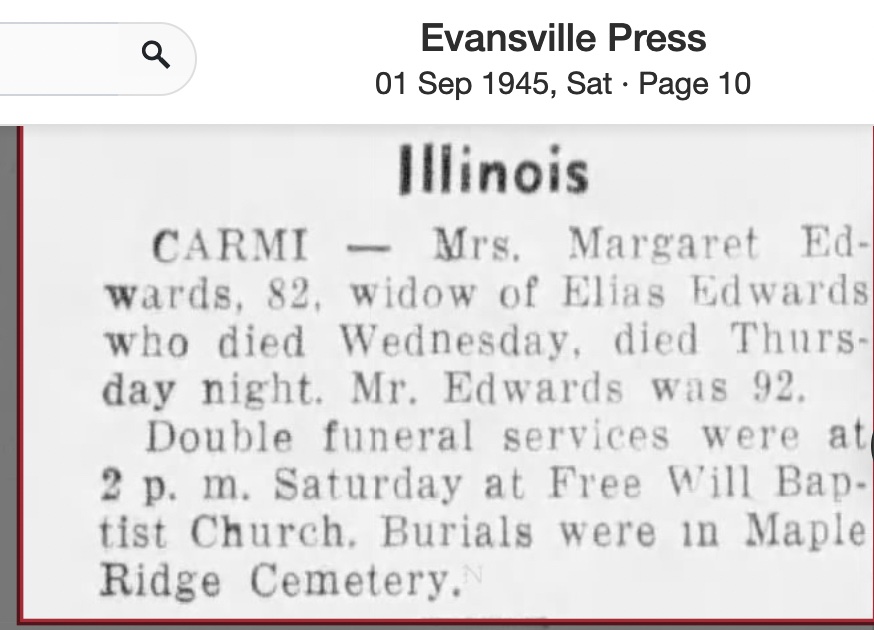
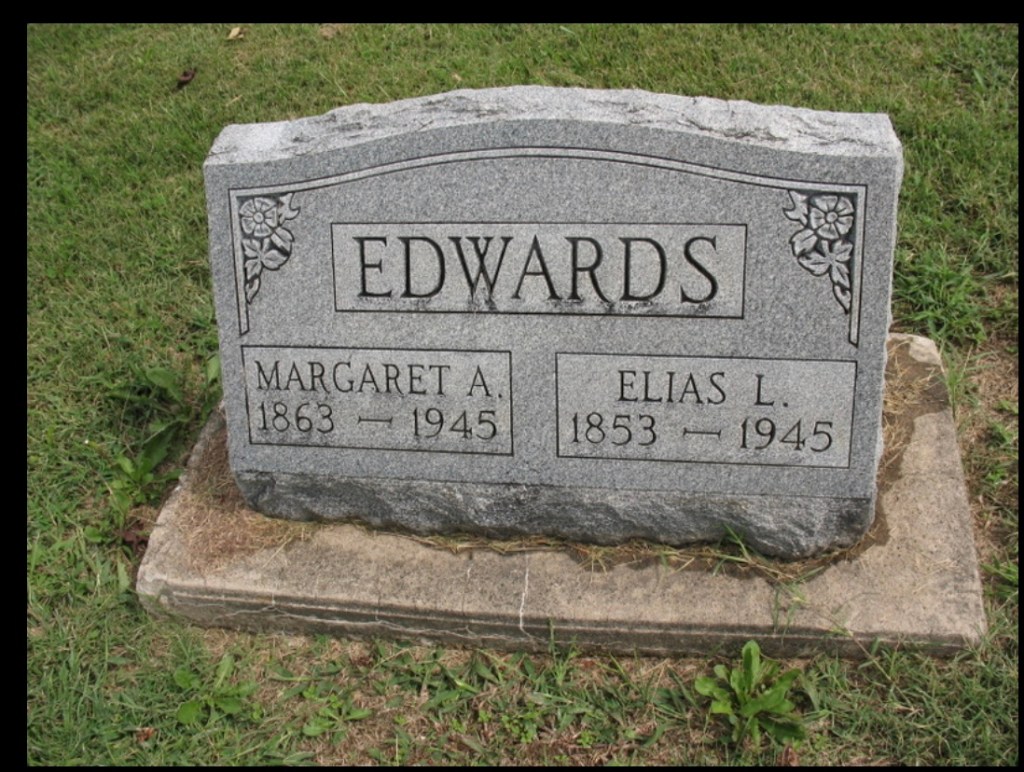

 Mark Auslander